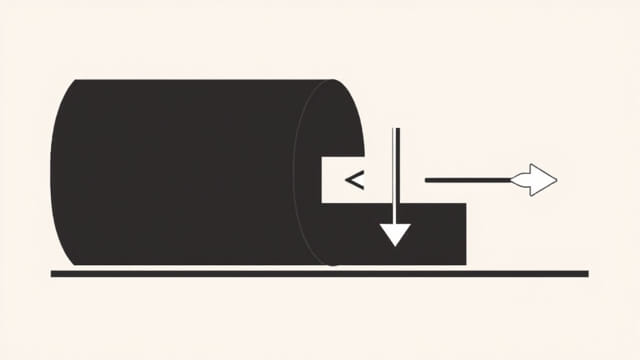
When it comes to heating systems used in industrial and residential settings, furnaces play a vital role. Among the various types of furnaces available, the downdraft furnace stands out for its unique airflow design and energy efficiency. This type of furnace differs from traditional models in the direction in which air moves during the heating process. While many people are familiar with conventional updraft furnaces, downdraft systems provide a distinctive set of benefits that make them particularly well-suited for certain applications, especially where space, efficiency, and even temperature distribution are key considerations.
Understanding Downdraft Furnaces
A downdraft furnace is a type of heating appliance in which the heated air is directed downward rather than upward. Unlike standard updraft furnaces that push hot air from the bottom to the top, a downdraft model pulls cooler air from above, heats it, and then releases it downward into the room or duct system. This configuration allows for a more direct and often more controlled method of heat distribution.
How It Works
The basic operation of a downdraft furnace involves the intake of air from the top portion of the unit. This air is then heated using a burner or electric element and forced downward using a blower fan. The heated air is channeled through a heat exchanger, ensuring that it is safely warmed before being distributed throughout the building. This downward movement can be particularly effective in certain layouts where overhead heating is more desirable or where vertical space is limited.
Key Features of Downdraft Furnaces
Downdraft furnaces come with several features that set them apart from traditional models. These features contribute to their effectiveness and suitability in specific environments:
- Compact Design: These furnaces are often more compact, making them ideal for homes or buildings with limited vertical installation space.
- Efficient Heat Distribution: The downward airflow helps distribute heat evenly across rooms, especially those with lower ceilings.
- Cleaner Combustion: Downdraft models may produce fewer pollutants depending on the fuel used, thanks to their unique airflow pattern.
- Versatile Installation: These units can be installed in basements, crawl spaces, or other confined locations where upward airflow might not be practical.
Types of Downdraft Furnaces
There are several different kinds of downdraft furnaces based on the source of heat and specific usage scenarios:
- Gas-Powered Downdraft Furnaces: These models use natural gas or propane as fuel. They are popular in residential settings due to their energy efficiency and cost-effectiveness.
- Electric Downdraft Furnaces: These furnaces use electric resistance elements to produce heat and are often preferred in areas where gas lines are not available.
- Wood or Solid Fuel Downdraft Furnaces: Typically found in industrial or workshop settings, these use solid fuels and are designed for heavy-duty heating tasks.
Comparison with Updraft Furnaces
One of the most notable differences between downdraft and updraft furnaces lies in their airflow direction, which affects installation and performance:
- Airflow: Downdraft furnaces push air downward, making them better for installations at higher elevations, like attics.
- Installation: Updraft systems are often installed in basements or utility rooms, requiring vertical ductwork that may not fit in smaller buildings.
- Efficiency: Depending on the design and insulation of the building, downdraft furnaces may offer more consistent temperature control.
Applications of Downdraft Furnaces
Downdraft furnaces are commonly used in both residential and commercial environments where efficient heat delivery is important. Some of the common applications include:
- Mobile Homes: Their compact nature makes them ideal for mobile and modular homes with space constraints.
- Industrial Settings: Workshops and factories may use downdraft models for localized heating in areas where upward airflow is impractical.
- Specialty Buildings: Buildings with unique architectural designs or restricted ducting systems benefit from flexible downdraft installation.
Advantages of Downdraft Furnaces
There are several benefits to choosing a downdraft furnace over other types of heating systems:
- Space Efficiency: Ideal for tight spaces with low ceilings or where vertical clearance is an issue.
- Better Air Quality: Because of the airflow design, downdraft furnaces may help reduce airborne dust in some installations.
- Cost-Effective Heating: They often use less energy when properly installed in the right environment, reducing utility bills.
- Consistent Room Temperature: More uniform heating across rooms with fewer temperature fluctuations.
Limitations and Considerations
Despite their many advantages, downdraft furnaces may not be the best fit for every situation. Here are some limitations to keep in mind:
- Limited Availability: Compared to standard updraft units, downdraft models may be harder to find or more expensive.
- Installation Complexity: Requires specific ducting configurations that may not be compatible with existing systems.
- Maintenance Requirements: As with any HVAC equipment, regular maintenance is essential to ensure peak performance and longevity.
Maintenance Tips for Downdraft Furnaces
Keeping a downdraft furnace in good condition is crucial to ensure efficient performance and long lifespan. Here are some basic maintenance tips:
- Inspect filters regularly and replace them every few months to maintain airflow and air quality.
- Schedule annual professional inspections to check for burner efficiency, heat exchanger issues, and blower function.
- Keep vents and ducts clean to avoid blockages that can affect air distribution.
- Listen for unusual noises that could indicate worn parts or imbalances.
Is a Downdraft Furnace Right for You?
Choosing the right furnace depends on your building layout, heating needs, and energy source. If you have limited vertical space or want a more even distribution of heat, a downdraft furnace might be an excellent choice. It’s particularly suitable for homes or structures that do not easily accommodate traditional updraft systems.
A downdraft furnace offers a unique solution to modern heating challenges, especially where space, energy efficiency, and targeted heating are priorities. Understanding how it works and where it fits best can help homeowners and builders make informed decisions about heating system installations. While not suitable for every scenario, its benefits in the right context are undeniable, making it a valuable option in today’s diverse heating market.