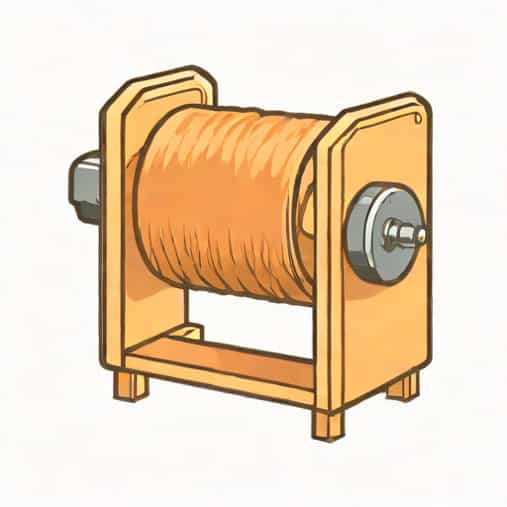
A drum carder is an essential tool in the world of fiber arts, particularly for spinners, felters, and anyone working with raw wool or other fibers. It is designed to prepare and align fibers, making them easier to spin into yarn or use for other crafting projects. Unlike hand carders, which are smaller and manually operated, a drum carder features two large drums covered with fine metal teeth that rotate to comb and blend fibers efficiently. The tool allows fiber enthusiasts to create consistent, smooth batts or rolags, which are ideal for hand spinning or felting. Understanding the purpose and function of a drum carder can greatly enhance the quality of finished fiber projects and streamline the preparation process.
What a Drum Carder Does
The primary purpose of a drum carder is to take raw or processed fibers and align them so they can be spun or used in crafting. When fibers are carded, they are straightened and blended, which removes tangles, dirt, and debris. This alignment helps ensure a more consistent texture in the finished yarn. The drum carder can handle larger quantities of fiber than hand carders, making it ideal for those who work with significant amounts of material or want to produce batts for felting projects. Carding also opens up the fibers, allowing for easier blending of different colors or fiber types.
Components of a Drum Carder
A typical drum carder consists of several key parts
- Large DrumThe main drum is covered with fine metal teeth and rotates to comb fibers.
- Smaller DrumThe secondary drum, or licker-in drum, feeds fibers onto the larger drum while also helping to separate and straighten them.
- TeethBoth drums have rows of closely spaced metal teeth that grip and align the fibers.
- Drum Carder Handle or MotorSome drum carders are hand-cranked, while others are motorized for faster processing.
- Drawer or Catch TrayMany drum carders have a collection area where the processed fibers accumulate as a batt or sheet.
Uses of a Drum Carder
Drum carders have a variety of applications in fiber arts, and their versatility makes them a valuable tool for both beginners and experienced crafters. The main uses include
Preparing Fiber for Spinning
Carding fibers before spinning helps create a uniform batt or rolag. This uniformity is crucial for producing smooth, consistent yarn. By aligning fibers in the same direction, a drum carder ensures that the yarn is less likely to have lumps, thick-and-thin spots, or uneven texture. Spinners often use drum carders to prepare fibers of different colors or types to blend them seamlessly into unique, hand-spun yarns.
Blending Different Fibers
One of the advantages of using a drum carder is its ability to blend multiple types of fibers together. For example, a spinner might want to combine wool with alpaca or silk to create a softer, stronger, or more lustrous yarn. By layering small amounts of each fiber onto the drum carder and running them through multiple times, fibers become fully integrated, producing a homogeneous batt that is easy to spin and visually appealing.
Creating Batts for Felting
Batts produced on a drum carder are not only useful for spinning; they are also excellent for felting projects. Felters can take these smooth, evenly aligned batts and use them for needle felting, wet felting, or other creative applications. Drum carders allow crafters to prepare larger quantities of fiber at once, making them ideal for creating substantial felted pieces or intricate designs that require multiple layers of blended fibers.
How to Use a Drum Carder
Using a drum carder effectively involves several steps. First, fibers should be prepped by cleaning, picking apart clumps, and removing any debris. Next, small amounts of fiber are added to the licker-in drum. As the drums rotate, the teeth pull fibers through, separating and aligning them. Fibers gradually accumulate on the main drum, forming a smooth batt. Once the batt is formed, it can be carefully removed using a spatula or by peeling it off, ready for spinning or felting.
Tips for Optimal Use
- Work with small amounts of fiber at a time to avoid overloading the carder.
- Use consistent layering for blending colors evenly.
- Periodically clean the drum teeth to maintain efficiency and prevent fiber buildup.
- Rotate the drum slowly at first to ensure fibers are properly aligned.
- Experiment with different fiber combinations to discover unique textures and color blends.
Benefits of Using a Drum Carder
The drum carder offers multiple advantages over other fiber preparation methods. It saves time compared to hand carding, especially when working with large amounts of fiber. It produces more consistent and uniform batts, which improves the quality of hand-spun yarn. The ability to blend fibers and colors effectively opens up creative possibilities for spinners and felters alike. Additionally, drum carders reduce strain on the hands and wrists, making them more suitable for extended fiber preparation sessions.
Who Can Benefit from a Drum Carder
Drum carders are useful for a wide range of fiber artists, including
- Hand spinners who want consistent yarn for knitting, crocheting, or weaving.
- Felters preparing batts for wet felting, needle felting, or sculptural projects.
- Artists and crafters blending different fibers and colors to create custom textures.
- Small-scale fiber producers or farm owners processing their own wool.
Maintaining a Drum Carder
Proper maintenance is essential to ensure the longevity and efficiency of a drum carder. Regularly cleaning fibers and debris from the teeth prevents clogs and uneven carding. Oiling any moving parts and checking for worn or bent teeth helps maintain smooth operation. Storing the drum carder in a dry, safe place protects it from damage and rust. With proper care, a drum carder can last for many years, making it a valuable long-term investment for fiber artists.
Common Mistakes to Avoid
- Overloading the drum with too much fiber, which can cause uneven carding.
- Neglecting to clean teeth after use, leading to buildup and reduced efficiency.
- Forcing the fiber too quickly through the carder, which can damage both fibers and equipment.
- Using only one fiber type without experimenting with blending, limiting creative possibilities.
A drum carder is an indispensable tool for anyone working with fibers, providing a fast and efficient way to align, blend, and prepare wool or other fibers for spinning and felting. By understanding how to use a drum carder, its components, and its benefits, fiber artists can create smooth, consistent batts that enhance the quality of their finished projects. The versatility of the drum carder allows for blending multiple fibers, experimenting with color combinations, and producing high-quality yarn and felt. With proper use and maintenance, this tool becomes a key part of a fiber enthusiast’s studio, enabling both creativity and efficiency in a variety of crafting applications.