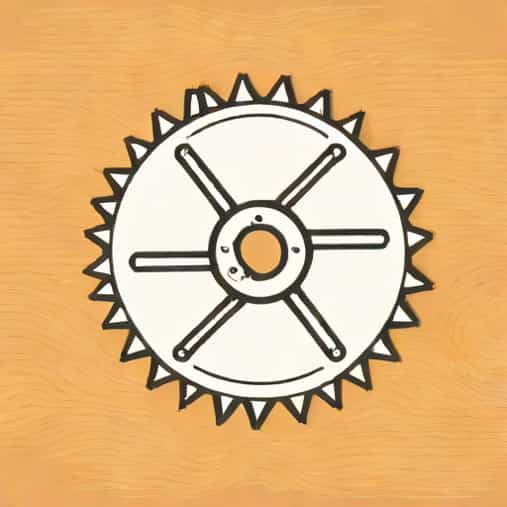
A ripsaw blade is a specialized cutting tool designed specifically for woodworking tasks, particularly for cutting along the grain of wood. Unlike crosscut blades, which are made to cut across the wood fibers, ripsaw blades excel at making clean, efficient cuts along the length of the lumber. Understanding what a ripsaw blade is used for, its design features, and how to use it properly is essential for carpenters, woodworkers, and DIY enthusiasts who want precise and smooth results in their projects. Using the correct blade can save time, reduce material waste, and improve the overall quality of finished work.
Definition of a Ripsaw Blade
A ripsaw blade is a circular or hand saw blade designed with teeth specifically shaped to cut along the grain of wood. These blades typically have fewer teeth than crosscut blades, and the teeth are larger and set at an angle to remove wood efficiently. This configuration allows the blade to make long, straight cuts quickly without tearing or splintering the wood fibers. Ripsaw blades are commonly used in table saws, circular saws, and hand saws for various woodworking tasks.
Design Features of a Ripsaw Blade
Ripsaw blades have several design elements that make them suitable for cutting along the grain
- Tooth CountRipsaw blades usually have fewer teeth, often between 24 and 30 for standard circular blades, which allows faster cutting and efficient chip removal.
- Tooth ShapeThe teeth are typically flat-topped or chisel-shaped to efficiently slice along the grain rather than grind across it.
- Kerf WidthRipsaw blades often have a wider kerf, which helps reduce friction and prevent binding during long cuts.
- Gullet SizeLarger gullets between the teeth help remove sawdust and chips quickly, keeping the cut clean and smooth.
- MaterialBlades are usually made of high-speed steel, carbide-tipped steel, or other durable metals to maintain sharpness over repeated use.
Primary Uses of a Ripsaw Blade
Ripsaw blades are versatile and essential for many woodworking projects, particularly when precision and efficiency are needed along the grain of wood.
Cutting Along the Grain
The main purpose of a ripsaw blade is to cut along the grain of the wood, also called a rip cut. This is necessary for tasks such as resizing boards, trimming lumber, and preparing wood for furniture or cabinetry. Cutting with the grain reduces splintering and results in a cleaner edge compared to using a crosscut blade.
Making Long, Straight Cuts
Ripsaw blades are ideal for making long, straight cuts, especially on larger boards or sheets of plywood. They are commonly used with table saws or circular saws for ripping boards to width or cutting sheet goods to size efficiently.
Reducing Cutting Effort
Because ripsaw blades are designed to cut with the grain, they require less power and effort than crosscutting. The chisel-shaped teeth remove wood efficiently, allowing for smoother cuts without excessive strain on the saw or operator.
Woodworking Projects
Ripsaw blades are widely used in various woodworking projects, including
- Furniture making, for cutting boards to size.
- Cabinetry, for precise cuts along panel grains.
- Framing and construction, for resizing lumber efficiently.
- DIY home improvement projects involving wood panels or boards.
Differences Between Ripsaw and Crosscut Blades
Understanding the difference between a ripsaw blade and a crosscut blade is essential for choosing the right tool for the job
- Ripsaw BladeFewer teeth, larger gullets, flat-topped or chisel-shaped teeth, designed to cut along the grain efficiently.
- Crosscut BladeMore teeth, smaller gullets, angled teeth, designed to cut across the grain with minimal splintering.
Using the wrong blade for the cut can result in tear-out, slower cutting, and uneven edges. For example, using a crosscut blade to rip a board may require more effort and cause the wood to burn or splinter.
How to Use a Ripsaw Blade Safely and Effectively
Proper use of a ripsaw blade ensures safety and optimal cutting results. Here are some key guidelines
Select the Right Blade
Choose a ripsaw blade that matches the saw type and material thickness. Ensure the blade diameter, arbor size, and tooth configuration are compatible with your saw.
Secure the Material
Always clamp or support the wood firmly to prevent movement during cutting. This improves accuracy and reduces the risk of kickback.
Set the Correct Depth
Adjust the saw to cut slightly deeper than the material thickness. This ensures a clean cut without straining the blade or saw motor.
Use Proper Technique
Feed the material steadily and evenly. Do not force the wood into the blade, as this can cause binding, overheating, or kickback. Allow the blade teeth to do the work.
Wear Safety Gear
Always wear safety glasses, hearing protection, and appropriate clothing. Ripsaw blades remove large amounts of wood quickly, and chips or dust can be hazardous.
Maintenance of Ripsaw Blades
Maintaining a ripsaw blade ensures long life, sharpness, and clean cuts. Key maintenance tips include
- Regular cleaning to remove resin and sawdust buildup.
- Sharpening teeth or replacing carbide tips when dull.
- Checking for damage, cracks, or warping before use.
- Proper storage to prevent rust and physical damage.
Advantages of Using a Ripsaw Blade
Using a ripsaw blade provides multiple advantages for woodworking projects
- EfficiencyCuts along the grain faster and with less effort.
- Clean CutsProduces smooth edges with minimal splintering.
- DurabilityHigh-quality blades last longer and maintain sharpness.
- VersatilitySuitable for various wood types, including softwood, hardwood, and plywood.
A ripsaw blade is an essential tool for anyone working with wood who needs to make precise, long, and efficient cuts along the grain. Its specialized design, including fewer teeth, large gullets, and chisel-shaped edges, allows for smooth and effective cutting. Understanding what a ripsaw blade is used for, how it differs from crosscut blades, and the proper techniques for using and maintaining it can improve the quality of woodworking projects and enhance safety. From furniture making to construction and DIY projects, the ripsaw blade remains a fundamental component in achieving professional results with wood.