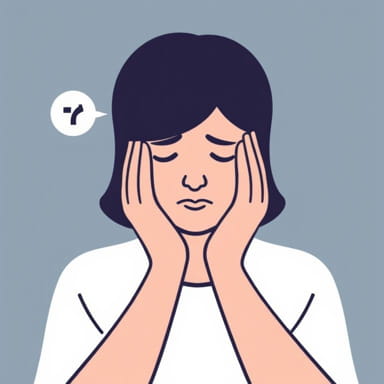
Many people experience headaches at some point in their lives, but not all headaches are the same. One particular type that often raises concern is a hypertension headache, which is associated with high blood pressure. Since hypertension is often called the silent killer because it rarely shows obvious symptoms, headaches linked to it can become an important warning sign. Understanding what a hypertension headache is, how it develops, its symptoms, and ways to manage it is essential for protecting overall health.
Definition of Hypertension Headache
A hypertension headache is a type of head pain believed to be caused by severely elevated blood pressure. While not every person with high blood pressure will experience headaches, some may notice pain when their blood pressure rises suddenly or reaches dangerously high levels. These headaches tend to occur when blood pressure levels are in the severe range, usually 180/120 mmHg or higher. In such cases, it is considered a medical emergency and requires immediate care.
What Causes Hypertension Headache?
The relationship between high blood pressure and headaches is complex. Elevated blood pressure can increase pressure inside the skull and reduce blood flow, which in turn may cause pain. Some of the main causes and triggers include
- Severely elevated blood pressure– Hypertensive crises can create vascular changes that trigger pain.
- Blood vessel strain– Persistent pressure may irritate or damage blood vessels in the brain.
- Medication issues– Skipping blood pressure medication or taking the wrong dosage can lead to sudden spikes in pressure.
- Stress and anxiety– Emotional stress can temporarily elevate blood pressure and contribute to headaches.
- Underlying conditions– Kidney disease, endocrine disorders, or sleep apnea can worsen blood pressure and trigger symptoms.
Symptoms of Hypertension Headache
Unlike tension or migraine headaches, hypertension headaches often have distinct features. Recognizing these signs is key to identifying when high blood pressure may be the cause
- Head pain that is usually felt at the back of the head or in the morning upon waking
- A feeling of pressure or tightness around the head
- Dull, throbbing, or pulsating pain
- Accompanying symptoms such as dizziness, blurred vision, or nausea
- Shortness of breath or chest discomfort in severe cases
If a headache is sudden, intense, and comes with neurological symptoms such as confusion, weakness, or vision problems, it may signal a hypertensive crisis, which requires emergency medical attention.
Risk Factors for Hypertension Headache
Not everyone with high blood pressure will experience headaches, but certain risk factors increase the likelihood. These include
- Uncontrolled or untreated high blood pressure
- Obesity and lack of physical activity
- Poor diet high in salt, fat, or processed foods
- Excessive alcohol consumption and smoking
- Chronic stress or anxiety
- Family history of hypertension
- Age, as risk increases with getting older
Diagnosis of Hypertension Headache
Since headaches can come from many causes, proper diagnosis is crucial. A doctor will usually perform the following steps
- Measure blood pressure levels to determine if they are abnormally high
- Review medical history and lifestyle habits
- Conduct physical exams, focusing on cardiovascular and neurological health
- Request additional tests such as blood work, kidney function tests, or imaging if necessary
Confirming that a headache is truly related to high blood pressure often involves ruling out other headache types, such as migraines, cluster headaches, or sinus headaches.
Complications of Hypertension Headache
Ignoring hypertension headaches can be dangerous. If blood pressure remains elevated, it can lead to serious complications, including
- Stroke due to weakened or ruptured blood vessels
- Heart attack caused by increased strain on the heart
- Kidney damage resulting from reduced blood flow
- Vision loss from damage to blood vessels in the eyes
- Cognitive decline or dementia linked to chronic poor circulation in the brain
Managing and Treating Hypertension Headache
Treatment depends on the severity of the condition and whether it is part of a hypertensive crisis or chronic hypertension. Common strategies include
- Medication– Doctors may prescribe antihypertensive drugs such as ACE inhibitors, beta-blockers, or diuretics to lower blood pressure.
- Monitoring blood pressure– Regular checks at home and in clinics help keep track of fluctuations.
- Stress management– Relaxation techniques such as meditation, deep breathing, and yoga can help.
- Healthy diet– Reducing salt intake, limiting processed foods, and eating more fruits, vegetables, and whole grains support healthy blood pressure.
- Physical activity– Regular exercise helps the cardiovascular system function more efficiently.
- Lifestyle changes– Avoiding smoking and reducing alcohol intake are critical steps.
Dietary Tips for Reducing Hypertension Headache
Nutrition plays a major role in controlling high blood pressure and lowering the risk of related headaches. Some practical tips include
- Following the DASH diet (Dietary Approaches to Stop Hypertension)
- Eating potassium-rich foods like bananas, spinach, and sweet potatoes
- Reducing sodium by avoiding processed snacks and canned foods
- Staying hydrated with water instead of sugary drinks
- Limiting caffeine, which can temporarily raise blood pressure in some people
Preventing Hypertension Headache
Prevention is always better than cure, especially when dealing with high blood pressure and its complications. Some preventive steps include
- Maintaining a healthy weight through balanced diet and exercise
- Getting at least 7 to 8 hours of sleep each night
- Managing stress levels with relaxation techniques
- Attending regular medical checkups to track blood pressure
- Taking prescribed medications consistently without skipping doses
When to Seek Medical Help
A headache that is severe, sudden, or accompanied by dangerously high blood pressure readings requires urgent medical care. Warning signs include confusion, chest pain, vision problems, and difficulty speaking or moving parts of the body. These may indicate a stroke or hypertensive crisis and should never be ignored.
Prognosis and Outlook
With proper management, many people with hypertension headaches can reduce or eliminate their symptoms. The long-term outlook depends on controlling blood pressure through medication, lifestyle changes, and regular monitoring. Failure to manage the condition increases the risk of life-threatening complications, but proactive care greatly improves prognosis.
A hypertension headache is not just a simple headache it can be a warning signal of dangerously high blood pressure. Learning to recognize the symptoms, manage risk factors, and seek timely treatment is essential for long-term health. By adopting healthy lifestyle habits, monitoring blood pressure, and following medical advice, individuals can reduce the frequency of hypertension headaches and lower the risks associated with uncontrolled high blood pressure.