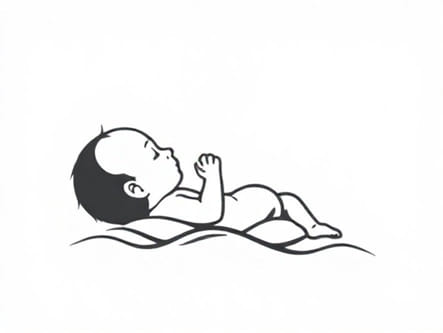
The Moro reflex, often referred to as the startle reflex, is a critical neurological response observed in newborns during the first few months of life. This reflex is an involuntary reaction to sudden changes in the infant’s environment, such as loud noises, abrupt movements, or a sensation of falling. It serves as an important indicator of neurological development and overall health in newborns. Pediatricians and caregivers monitor the Moro reflex to assess the integrity of the infant’s central nervous system and to ensure that early development is proceeding normally. Understanding the Moro reflex, its causes, characteristics, and clinical significance provides essential insight into newborn care and developmental milestones.
Definition of Moro Reflex
The Moro reflex is a primitive reflex present at birth and typically disappears by the time a baby reaches four to six months of age. It involves a sequence of movements triggered by a sudden stimulus, where the infant first extends the arms and legs, then brings them back toward the body while often crying. This reflex is believed to be an evolutionary response that helped infants cling to their mothers in the early stages of human development. In clinical settings, it is used as a standard test to evaluate an infant’s neurological function and muscle tone.
Characteristics of the Moro Reflex
- Sudden extension of arms and legs in response to a stimulus
- Followed by the arms drawing back toward the body
- Accompanied by crying or vocalization
- Occurs symmetrically on both sides of the body
- Typically disappears between four to six months of age
Causes and Triggers
The Moro reflex is triggered by sudden environmental changes that can startle a newborn. Common triggers include a loud noise, a quick change in body position, or the sensation of the baby falling when the support under the infant’s head is suddenly removed. This reflex is controlled by the central nervous system, specifically the brainstem, which is fully developed enough at birth to produce this response. While the reflex itself is involuntary, it reflects the functional state of the newborn’s nervous system and is a key part of early neurological assessment.
Common Triggers
- Loud or unexpected sounds
- Sudden changes in the baby’s position
- Loss of support under the head or back
- Bright lights or sudden visual stimuli
Clinical Significance of the Moro Reflex
The Moro reflex is an essential tool in evaluating the neurological health of a newborn. Its presence at birth confirms that the infant’s brain and spinal cord are functioning appropriately. Pediatricians observe the reflex to ensure symmetry, strength, and proper timing of the response. Abnormalities in the Moro reflex can indicate potential neurological issues, such as brain injury, peripheral nerve injury, or developmental disorders. Early detection of such abnormalities allows for timely intervention, which is crucial for the infant’s long-term health and development.
Normal Reflex Responses
- Symmetrical extension and flexion of the arms and legs
- Moderate intensity of response appropriate for the stimulus
- Reflex present from birth and gradually diminishes by six months
Abnormal Reflex Responses
- Asymmetry in movement between the two sides of the body
- Exaggerated or absent response
- Delayed disappearance beyond six months
- Could indicate neurological disorders, nerve injury, or developmental delay
Monitoring and Assessment
Healthcare providers use specific techniques to assess the Moro reflex during routine newborn examinations. The baby is typically held in a supine position, and the examiner may slightly lift and then lower the head, or produce a sudden sound to elicit the reflex. Observing the infant’s response allows the clinician to evaluate muscle tone, coordination, and overall neurological integrity. Documenting the reflex’s presence, strength, and symmetry is part of the standard neonatal neurological assessment, which is conducted in hospitals and pediatric clinics shortly after birth.
Steps for Assessing Moro Reflex
- Position the baby on a flat, secure surface
- Provide a sudden, controlled stimulus, such as a gentle lowering of the head
- Observe the sequence of arm and leg movements
- Check for symmetry and strength of response
- Document findings in the medical record for future reference
Disappearance and Developmental Progress
The Moro reflex is a transient reflex that typically fades as the infant’s central nervous system matures. By around four to six months of age, the reflex diminishes, giving way to more voluntary and controlled movements. The disappearance of the Moro reflex is a positive sign of neurological development. Persistent or reappearing Moro reflexes beyond this period may warrant further investigation to rule out developmental or neurological disorders.
Developmental Milestones Related to Moro Reflex
- Birth to 4-6 months Moro reflex is present and active
- 4-6 months Gradual fading of reflex as voluntary motor control develops
- 6 months onward Reflex should be absent; voluntary reactions dominate
Implications for Caregivers
Understanding the Moro reflex helps parents and caregivers respond appropriately to newborn behavior. While the reflex can sometimes startle babies and cause brief distress, it is a normal part of neurological development. Caregivers should provide a safe environment to reduce sudden falls or unexpected movements that might trigger an exaggerated response. Awareness of the Moro reflex also helps caregivers recognize potential warning signs, prompting timely medical consultation if abnormalities are suspected.
Tips for Caregivers
- Handle newborns gently, supporting the head and neck at all times
- Minimize sudden loud noises or abrupt movements around the baby
- Observe the infant’s reactions and report any asymmetry or unusual responses to a pediatrician
- Understand that occasional crying during the reflex is normal and usually brief
The Moro reflex is a vital neurological response in newborns that serves as an indicator of central nervous system health. Present from birth and typically disappearing by six months, it involves a sequence of startle movements that help pediatricians assess the infant’s development. By understanding the causes, characteristics, clinical significance, and normal progression of the Moro reflex, caregivers and healthcare providers can ensure that newborns receive proper monitoring and care. Awareness of this reflex not only aids in early detection of potential neurological issues but also helps create a safe and supportive environment for the infant’s growth and development, laying the foundation for healthy motor and sensory maturation.