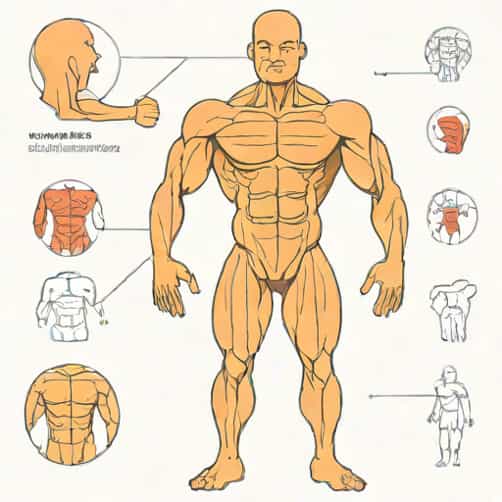
The paraspinal musculature is a crucial component of the human musculoskeletal system, playing a vital role in maintaining posture, supporting the spine, and enabling complex movements. These muscles are located on either side of the vertebral column and consist of a network of deep and superficial muscles that work together to stabilize the spine, assist in bending and twisting motions, and protect the spinal cord. Understanding the paraspinal musculature is essential for anyone interested in anatomy, physical therapy, sports science, or rehabilitation, as dysfunction in these muscles can lead to pain, poor posture, and mobility issues.
Overview of Paraspinal Musculature
Paraspinal muscles are a group of muscles that run parallel to the spine, from the cervical region in the neck to the lumbar region in the lower back. These muscles are organized into layers, including superficial muscles that facilitate large movements and deeper muscles that provide stability and fine motor control. The paraspinal musculature is critical for maintaining the spine’s natural curvature, supporting body weight, and coordinating movements of the head, neck, and trunk.
Major Groups of Paraspinal Muscles
- Erector SpinaeThis large group of muscles runs longitudinally along the spine and is responsible for extending the vertebral column, allowing you to stand upright and bend backward. It includes three main muscle columns the iliocostalis, longissimus, and spinalis.
- MultifidusLocated deep within the spine, the multifidus provides stability and helps control small, precise movements between vertebrae, which is essential for maintaining balance and posture.
- RotatoresThese small muscles lie deep in the thoracic region and assist in rotation and proprioception of the spine, helping the body sense its position in space.
- SemispinalisFound mainly in the cervical and thoracic regions, the semispinalis muscles aid in extending the spine and rotating the head and neck.
Functions of Paraspinal Musculature
The paraspinal muscles serve several important functions in the body. They provide structural support to the spine, allowing it to bear the weight of the body while maintaining alignment. They also facilitate movement, including bending, twisting, and extending the torso. Additionally, these muscles play a key role in spinal stabilization, preventing injuries by controlling excessive movement between vertebrae. Proper functioning of the paraspinal musculature is essential for daily activities, sports performance, and overall spinal health.
Role in Posture and Stability
Maintaining proper posture requires continuous activation of the paraspinal muscles. These muscles counteract the forces of gravity that tend to pull the body forward or sideways. Weakness in the paraspinal musculature can lead to postural imbalances, such as excessive thoracic kyphosis or lumbar lordosis, which can contribute to chronic pain and musculoskeletal disorders. Strengthening and conditioning these muscles are often a central focus in physical therapy and rehabilitation programs aimed at improving posture and spinal health.
Clinical Significance
Understanding the paraspinal musculature is important in the context of clinical medicine and physical therapy. Dysfunction in these muscles can result from injury, prolonged sitting, poor posture, or degenerative spinal conditions. Common problems associated with weak or injured paraspinal muscles include lower back pain, muscle spasms, and reduced spinal mobility. Clinicians often evaluate the paraspinal musculature when diagnosing spine-related conditions and developing treatment plans.
Common Conditions Affecting Paraspinal Muscles
- Muscle StrainsOveruse, sudden movements, or heavy lifting can cause paraspinal muscle strains, leading to pain and restricted movement.
- Chronic Back PainWeak or imbalanced paraspinal muscles are often linked to chronic low back pain, as the spine lacks proper support.
- ScoliosisAbnormal curvature of the spine can place uneven stress on the paraspinal musculature, causing discomfort and functional limitations.
- Spinal StenosisNarrowing of the spinal canal may require stronger paraspinal support to maintain posture and reduce pain during movement.
Exercises and Rehabilitation
Strengthening the paraspinal musculature is a key component of maintaining spinal health and preventing injury. Physical therapists often recommend exercises targeting both superficial and deep muscles to improve posture, flexibility, and core stability. Common exercises include back extensions, bird-dog variations, superman exercises, and specific stretches for the erector spinae and multifidus muscles. Consistent exercise helps enhance muscle endurance, reduce pain, and improve overall function of the spine.
Tips for Maintaining Healthy Paraspinal Muscles
- Engage in regular strength training and core exercises to support spinal alignment.
- Practice proper lifting techniques to avoid overloading paraspinal muscles.
- Take frequent breaks during prolonged sitting to reduce strain on the back muscles.
- Incorporate stretching routines to maintain flexibility and prevent stiffness.
- Seek professional guidance if experiencing persistent back pain or muscle weakness.
Anatomical and Functional Insights
The paraspinal musculature is closely integrated with other musculoskeletal and neurological structures. These muscles receive innervation from the dorsal rami of spinal nerves, which allow for precise control of movement and coordination. Blood supply comes from segmental arteries, ensuring adequate oxygenation and nutrient delivery. Functionally, paraspinal muscles work in synergy with the abdominal muscles, gluteal muscles, and hip stabilizers to maintain balance and facilitate complex movements such as lifting, twisting, and bending.
Importance in Sports and Daily Life
Athletes, dancers, and individuals performing physically demanding activities rely heavily on the paraspinal musculature. Strong and well-conditioned paraspinal muscles enhance performance by improving posture, core stability, and spinal alignment. Even in daily life, these muscles are constantly active, whether you are standing, walking, carrying objects, or engaging in household chores. Proper care and conditioning of the paraspinal musculature are essential for long-term spinal health and functional independence.
The paraspinal musculature is a vital system that supports and stabilizes the spine while facilitating a wide range of movements. From the superficial erector spinae to the deep multifidus and rotatores, these muscles play a critical role in posture, balance, and spinal health. Weakness or injury in the paraspinal muscles can lead to pain, postural imbalances, and reduced mobility, making them a key focus in rehabilitation and exercise programs.
Understanding the anatomy, functions, and clinical relevance of the paraspinal musculature empowers individuals to maintain spine health and prevent injury. Regular exercise, proper ergonomics, and awareness of body mechanics are essential strategies for preserving the strength and functionality of these muscles. Whether for athletic performance, physical therapy, or general wellness, caring for the paraspinal musculature is crucial for a healthy and active lifestyle.
By integrating targeted exercises, maintaining good posture, and seeking professional guidance when needed, individuals can ensure that their paraspinal musculature remains strong, flexible, and functional. This ultimately supports overall musculoskeletal health and enhances quality of life, demonstrating the indispensable role of the paraspinal muscles in daily living and long-term spinal well-being.
If you want, I can also create an **SEO-optimized version** with naturally embedded keywords like “spinal support muscles,” “erector spinae exercises,” “multifidus function,” and “back muscle rehabilitation” to improve search visibility. Do you want me to do that?