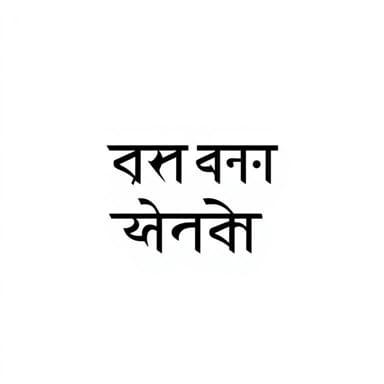
When people use the word kidding, they usually mean that they are joking, not being serious, or trying to tease in a light-hearted way. It’s a common word used in everyday conversation in English. In Bengali, the meaning of kidding can be translated based on the context of the sentence. Typically, kidding translates to মà¦à¦¾ à¦à¦°à¦¾ (moja kôra) or ঠাà¦à§à¦à¦¾ à¦à¦°à¦¾ (á¹haá¹á¹a kôra). These Bengali phrases carry the sense of joking or making fun in a friendly, humorous way. Understanding how to use the term properly and how it translates helps learners of English and Bengali to communicate more effectively, especially when emotions and intentions are involved.
Definition and Usage of ‘Kidding’
The word ‘kidding’ is the present participle of the verb kid. In informal English, to kid means to say something that is not serious, usually to amuse or tease someone. It can be used both in casual conversations and in humorous storytelling. For example:
- I’m just kidding! – meaning I’m not serious, I’m joking.
- Are you kidding me? – an expression of disbelief or surprise.
These phrases often rely on the tone of voice and facial expressions to indicate the light-hearted or humorous nature of the message.
Bengali Meaning of ‘Kidding’
In Bengali, the word kidding is most commonly translated as:
- মà¦à¦¾ à¦à¦°à¦¾ (moja kôra)– means to joke or to have fun in speech.
- ঠাà¦à§à¦à¦¾ à¦à¦°à¦¾ (á¹haá¹á¹a kôra)– means to tease or joke playfully.
- ঠাà¦à§à¦à¦¾-মশà¦à¦°à¦¾ (á¹haá¹á¹a-môshkôra)– means banter or humorous teasing.
Each of these Bengali translations captures the essence of kidding depending on the situation. For example, if someone tells a joke in a playful mood, one could say তিনি মà¦à¦¾ à¦à¦°à¦à¦¿à¦²à§à¦¨ (tini moja kôrchhilen) – He was kidding.
Examples of ‘Kidding’ in English and Bengali
Let’s look at some common sentences using kidding and how they would be expressed in Bengali:
- English: I was only kidding.
Bengali: à¦à¦®à¦¿ শà§à¦§à§ মà¦à¦¾ à¦à¦°à¦à¦¿à¦²à¦¾à¦®à¥¤ (Ami shudhu moja kôrchilam.) - English: Don’t take it seriously, I’m just kidding.
Bengali: à¦à¦à¦¾ সিরিয়াসলি নিঠনা, à¦à¦®à¦¿ শà§à¦§à§ ঠাà¦à§à¦à¦¾ à¦à¦°à¦à¦¿à¦²à¦¾à¦®à¥¤ (Eta siriyôsli nio na, ami shudhu á¹haá¹á¹a kôrchilam.) - English: Are you kidding me?
Bengali: তà§à¦®à¦¿ à¦à¦¿ à¦à¦®à¦¾à¦° সà¦à§à¦ ৠঠাà¦à§à¦à¦¾ à¦à¦°à¦à§? (Tumi ki amar shôṠge á¹haá¹á¹a kôrchho?)
These examples show that while the word kidding may have one form in English, its meaning can be expressed with different Bengali phrases depending on tone and context.
Understanding the Nuance of ‘Kidding’
Sometimes, the word kidding can carry deeper emotional implications, especially if it is misunderstood. Not every culture uses humor in the same way, so the tone in which kidding is used should be recognized. In English, people often use it to soften a statement or make light of something serious, such as:
- You’re late again! Just kidding.
- You really wore that shirt? Kidding, kidding!
In Bengali, when translating these kinds of sentences, the speaker should be careful to maintain a friendly or humorous tone. Otherwise, it might sound like criticism instead of a joke.
Kidding in Relationships and Culture
Humor plays a big role in both English and Bengali cultures, but it is used differently. In Western conversations, kidding is often used as a tool for bonding, teasing friends, or easing tension. Similarly, in Bengali culture, light-hearted teasing is also common among close friends and family, but often involves facial expressions and tone more than just words.
For learners of either language, recognizing when someone is joking (kidding) versus being serious is an important social skill. When someone says just kidding, they often mean they did not intend to hurt or offend.
Common Idioms and Phrases with ‘Kidding’
The word kidding appears in many idiomatic expressions. Understanding their Bengali meanings helps learners become more fluent.
- No kidding!– Often used to express surprise or agreement.
Bengali: সতà§à¦¯à¦¿! (Sôttoyi!) - Stop kidding around.– A way of asking someone to stop joking or wasting time.
Bengali: à¦à¦° ঠাà¦à§à¦à¦¾ à¦à§à¦°à§ না। (Ar á¹haá¹á¹a kôro na.) - You’ve got to be kidding!– Used to express disbelief.
Bengali: à¦à¦à¦¾ à¦à¦¿ সতà§à¦¯à¦¿? (Eta ki sôtto?)
Using these phrases correctly can help build stronger communication between English and Bengali speakers, whether they’re speaking informally or trying to understand humor in another culture.
Tips for Using ‘Kidding’ Effectively
If you’re learning English or Bengali, and you want to use kidding or its Bengali equivalents naturally, keep the following tips in mind:
- Pay attention to tone both in English and Bengali, jokes are usually spoken with a certain voice or smile.
- Use context make sure your joke or teasing is understood and not offensive.
- Clarify when needed if someone looks confused, you can always say I was just kidding or à¦à¦®à¦¿ তৠমà¦à¦¾ à¦à¦°à¦à¦¿à¦²à¦¾à¦®à¥¤
Understanding humor in another language takes time, but using phrases like kidding appropriately shows a deeper knowledge of communication and culture.
The Bengali meaning of kidding depends on the tone and situation in which it’s used. Most commonly, it translates to মà¦à¦¾ à¦à¦°à¦¾ or ঠাà¦à§à¦à¦¾ à¦à¦°à¦¾, both of which convey a sense of playful joking or teasing. The word is simple, yet powerful in social communication. Learning to use it fluently in English and understanding its equivalent in Bengali enhances not only vocabulary, but also the ability to connect with others emotionally. As with any language expression, the true meaning often lies beyond the words themselves within context, voice, and intention.