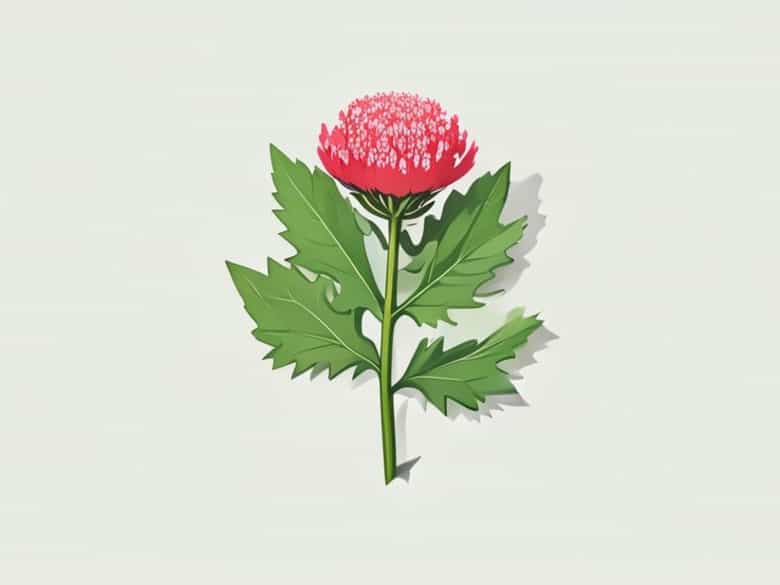
Burdock is a plant that has captured human attention for centuries due to its distinctive appearance, practical uses, and medicinal properties. Known for its large leaves, prickly burrs, and deep roots, burdock grows widely in temperate regions and is often considered both a wild plant and a valuable herbal remedy. Understanding the meaning of burdock requires exploring its botanical characteristics, historical and cultural significance, culinary and medicinal applications, and ecological role. While some people may view burdock as a common weed, it is a versatile plant with numerous benefits, ranging from traditional medicine to modern health supplements. This topic delves into the definition, uses, and importance of burdock, providing a comprehensive understanding of this unique plant and its relevance in different contexts.
Definition of Burdock
Burdock refers to a genus of biennial plants calledArctiumin the Asteraceae family. These plants are native to Europe and Asia but have spread to North America and other regions. Burdock is characterized by its large, heart-shaped leaves, tall flowering stems, purple flower heads, and burrs that cling to clothing or animal fur. The term burdock may refer to the entire plant or specifically to its root, which is commonly harvested for food and medicinal purposes. The plant has been used for centuries for its nutritional and therapeutic properties and remains popular in herbal medicine today.
Botanical Characteristics
- LeavesLarge, broad, and rough, providing shade and moisture retention for the plant’s base.
- FlowersPurple or reddish flower heads with hooked bracts that form burrs for seed dispersal.
- RootsThick, tapering taproots that store nutrients and are commonly used in culinary and medicinal applications.
- Growth HabitBiennial, typically growing first-year rosettes of leaves and second-year flowering stalks.
- BurrsSeed heads that stick to animals or clothing, aiding in natural propagation.
Historical and Cultural Significance
Burdock has been valued for centuries in various cultures. Ancient herbalists recognized its medicinal properties, while traditional cuisines incorporated its roots into meals. Its ecological role and practical applications have made it a well-known plant across regions.
Traditional Medicine
In traditional Chinese medicine, burdock root, known as Niubang, has been used to purify the blood, promote circulation, and support liver health. European herbalists utilized burdock for skin conditions, digestive health, and as a diuretic. The plant’s roots, leaves, and seeds all have documented therapeutic uses, contributing to its long-standing medicinal reputation.
Culinary Uses
Burdock is also an edible plant. The root, often referred to as gobo in Japanese cuisine, is rich in fiber, vitamins, and minerals. It can be boiled, stir-fried, or pickled and is appreciated for its earthy flavor. In addition to root consumption, young burdock leaves and stems can be eaten after proper preparation to remove bitterness and toxins.
Health Benefits of Burdock
Burdock offers a variety of potential health benefits, supported by both traditional usage and modern studies. Its roots, seeds, and leaves contain bioactive compounds that may support wellness.
Detoxification and Blood Purification
Burdock root is known for its detoxifying properties. It may help remove toxins from the blood, support liver function, and improve overall circulation. These benefits are why burdock has been historically referred to as a blood purifier.
Skin Health
Due to its anti-inflammatory and antibacterial properties, burdock has been used to treat skin conditions such as acne, eczema, and psoriasis. Herbal remedies and topical applications of burdock extracts are popular for promoting clear, healthy skin.
Digestive Support
High in dietary fiber, burdock root supports healthy digestion, encourages regular bowel movements, and may help regulate blood sugar levels. Its prebiotic compounds promote gut health by nourishing beneficial bacteria.
Immune System Support
Compounds found in burdock, including antioxidants, may strengthen the immune system and protect against oxidative stress. Regular use in traditional medicine aimed to enhance overall vitality and resistance to illness.
Ecological Role of Burdock
Burdock is not only valuable to humans but also plays an important role in ecosystems. Its flowers attract pollinators such as bees and butterflies, contributing to biodiversity. Additionally, the plant’s burrs enable natural seed dispersal, allowing burdock to colonize new areas effectively.
Interactions with Wildlife
- Birds and small mammals may feed on burdock seeds.
- Pollinators benefit from its nectar-rich flowers.
- Burrs serve as a natural mechanism for seed dispersal, hitching rides on animals to spread the plant.
Considerations in Gardening
While burdock is valuable for its uses, it can be invasive if left uncontrolled. Its rapid growth, ability to produce numerous seeds, and tendency to spread through burrs make it a plant that requires management in gardens or cultivated areas.
Preparation and Usage Tips
When using burdock for culinary or medicinal purposes, proper preparation is important to ensure safety and effectiveness.
Culinary Preparation
- Wash thoroughly to remove dirt and sand from roots.
- Peel the roots to reduce bitterness if desired.
- Boil or stir-fry roots to soften texture and enhance flavor.
- Pickle for preservation and unique flavor profiles.
Medicinal Use
- Use burdock root extracts in teas or tinctures for detoxification.
- Topical applications can be made from leaves or extracts for skin care.
- Consult herbalists or healthcare professionals for recommended dosages and safety, especially for internal use.
Interesting Facts About Burdock
- Burdock inspired the invention of Velcro. The plant’s burrs with tiny hooks gave the idea for the hook-and-loop fastener.
- It is considered both a weed and a valuable herbal plant depending on cultural and environmental context.
- Burdock roots are edible and have been incorporated into traditional Japanese, Korean, and European cuisines.
- Despite its prickly appearance, the plant is highly beneficial for humans and wildlife.
- It can grow up to 6 feet tall under favorable conditions, producing large, broad leaves and abundant burrs.
Burdock is a versatile and historically significant plant with ecological, culinary, and medicinal value. From its large leaves and prickly burrs to its nutrient-rich roots, burdock serves multiple purposes for humans and wildlife alike. Understanding the meaning of burdock includes recognizing its botanical characteristics, health benefits, traditional uses, and ecological role. While it may be considered a common weed in some regions, its contributions to herbal medicine, nutrition, and even technological innovation make it a remarkable plant. By exploring its diverse applications and significance, one can appreciate burdock not only as a natural resource but also as a symbol of resilience, utility, and the intricate relationships between humans and plants.