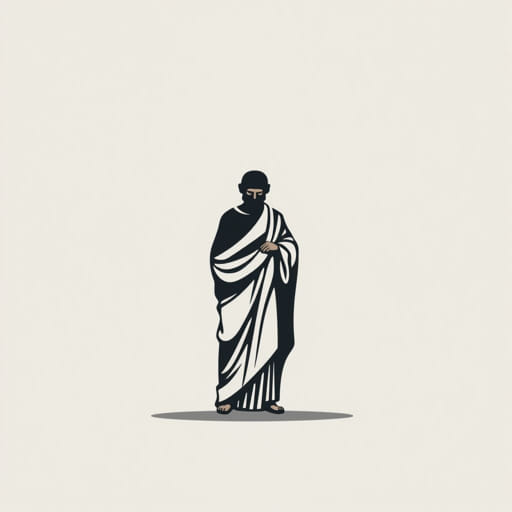
In the long and turbulent history of ancient Greece, few figures are as renowned for their oratory and political defiance as Demosthenes. A man of fierce intellect and patriotism, Demosthenes lived during a time of great turmoil when Athens was struggling to preserve its autonomy against the growing power of Macedonia. His speeches and resistance against Philip II and later Alexander the Great have been studied and admired for centuries. But while his legacy as a great orator endures, his death was dramatic and tragic he took his own life. Understanding why Demosthenes killed himself requires exploring not only the events that led to his demise but also the intense pressure and moral conviction that defined his life.
Historical Background of Demosthenes
The Rise of Macedonia
During the 4th century BCE, Greece was a land of independent city-states often engaged in conflict. It was during this time that Philip II of Macedonia began consolidating power in the north and posed a serious threat to the independence of cities like Athens. Demosthenes, born in 384 BCE, rose to prominence as an Athenian statesman and orator who saw Macedonian expansion as a dire threat to Greek freedom.
Demosthenes’ Opposition to Philip II
Demosthenes is most famous for his series of speeches known as the Philippics, in which he denounced Philip II and urged Athens to unite with other Greek states to resist Macedonian domination. Although passionate and eloquent, these efforts largely failed to achieve their desired results. Philip’s military and political skill allowed him to gradually dominate Greece, especially after the Battle of Chaeronea in 338 BCE, where the Greek allies suffered a crushing defeat.
The Death of Alexander and Political Chaos
Temporary Hope for Greece
When Alexander the Great died suddenly in 323 BCE, many in Greece, including Demosthenes, saw a chance to restore their independence. This led to the Lamian War, where a coalition of Greek cities attempted to overthrow Macedonian rule. Demosthenes returned from exile, as his previous opposition to Macedonia made him a symbol of resistance.
The Failure of the Lamian War
Unfortunately for Demosthenes and the Greek cause, the Lamian War ended in failure. Macedonian forces, under the leadership of Antipater and later his allies, defeated the Greek coalition. Reprisals were swift and severe. Athens and other cities were forced to surrender political leaders who had opposed Macedonia, and Demosthenes was among those marked for punishment.
Persecution and Flight
Accusations and Condemnation
After the collapse of Greek resistance, Demosthenes was accused of embezzlement and corruption by his enemies. Though these charges were likely politically motivated, he was fined and briefly imprisoned. Eventually, he fled to various Greek temples and islands to escape Macedonian vengeance. Despite his exile, he remained an inspirational figure for Greek nationalists.
The Role of Antipater
Antipater, a general of Alexander and regent of Macedonia, viewed Demosthenes as a threat. When Antipater’s ally, Archias, a former actor turned agent, was sent to capture or kill political dissidents, Demosthenes became a primary target. The famous orator was located in the temple of Poseidon on the island of Calauria, where he had sought sanctuary.
The Death of Demosthenes
The Final Confrontation
Archias arrived at the temple with soldiers and demanded that Demosthenes surrender. Demosthenes, refusing to be captured and humiliated, asked for a few moments alone to write a letter or speak a prayer. According to historical sources like Plutarch, he then bit on a quill or drank poison he had concealed, ending his life before the Macedonians could seize him.
Why Did Demosthenes Kill Himself?
Demosthenes’ decision to end his own life was driven by several interwoven reasons:
- Pride and Honor: He was a man of conviction who could not tolerate the idea of being paraded as a prisoner or forced to publicly submit to Macedonian rule.
- Political Statement: His death was an act of defiance. By choosing suicide, he denied his enemies the opportunity to punish or manipulate him and became a martyr for the Greek cause.
- Fear of Torture: There was a real possibility that captured leaders would face execution, humiliation, or torture. Suicide offered an escape from such fates.
- Final Protest: His life and death symbolized resistance. Even in his final moments, he stood for the freedom of Greece and the integrity of Athenian democracy.
Legacy of Demosthenes
A Symbol of Resistance
In the centuries following his death, Demosthenes was celebrated not just for his oratorical skill but for his unwavering commitment to civic duty and national sovereignty. His speeches continued to be studied by students of rhetoric and politics. In Roman times, leaders like Cicero praised Demosthenes as the model of a true statesman.
Controversy and Reassessment
Some historians question aspects of Demosthenes’ life and portrayals, especially given that much of the narrative comes from sources written long after his death. However, the general consensus remains that he was a figure of immense historical significance. His suicide, while tragic, is often viewed as a powerful political act that cemented his status as a hero among those who resisted tyranny.
Demosthenes did not take his own life out of despair or weakness. Rather, his suicide was the final act of a man who refused to abandon his principles. Surrounded by betrayal, hunted by his enemies, and faced with the collapse of everything he had fought for, Demosthenes chose to die free rather than live in submission. His death remains a poignant reminder of the sacrifices made in the struggle for freedom and self-rule. The story of why Demosthenes killed himself continues to resonate as an enduring symbol of resistance, courage, and the enduring human quest for liberty.