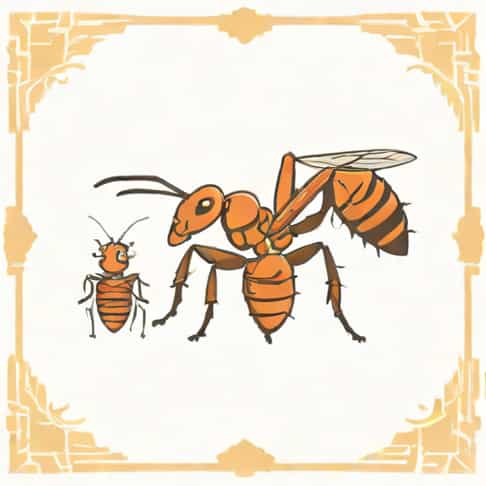
Ants are among the most fascinating insects on Earth, known for their complex social structures and highly organized colonies. One of the most intriguing and sometimes disturbing behaviors observed in ant colonies is the dismemberment or killing of the queen. While the queen is usually the central figure responsible for reproduction, her treatment by worker ants can vary dramatically depending on environmental conditions, colony health, or internal hierarchy disputes. Understanding why ants dismember the queen requires examining their biology, social behavior, and survival strategies, which reveal a surprising balance between cooperation and ruthless efficiency within the colony.
The Role of the Queen in an Ant Colony
The queen ant serves as the primary reproductive member of an ant colony. Her main responsibility is to lay eggs and ensure the continuation of the colony’s population. In most ant species, the queen can live for several years, sometimes even decades, while worker ants live only a fraction of that time. The queen produces pheromones that signal her presence and maintain social order within the colony. These chemical signals prevent workers from reproducing and help regulate colony activities such as foraging, defense, and brood care.
Pheromones and Colony Control
Pheromones are chemical substances released by the queen to communicate her presence and reproductive status to the workers. These chemicals influence the behavior and physiology of worker ants, keeping the colony organized and cohesive. When the queen’s pheromone production decreases due to age, illness, or injury, the colony may perceive her as weak or no longer fit to lead. This change in chemical signals can trigger a dramatic shift in the workers’ behavior toward the queen.
Reasons Ants Dismember or Kill Their Queen
While it may seem shocking, dismemberment or killing of the queen can serve an important biological and evolutionary purpose. Ant colonies are highly pragmatic in ensuring survival and reproductive success. If a queen is unable to maintain her pheromone signals or produce enough eggs, the colony may take extreme measures to replace her and secure the future of the colony. Here are some of the main reasons why ants might attack their queen
1. Aging or Weakness
As a queen ant ages, her egg-laying capacity and pheromone production decline. Worker ants are highly sensitive to these changes. When the colony detects that the queen is no longer capable of fulfilling her role effectively, they may begin to attack her. Dismemberment can be a way to remove an ineffective leader, allowing a new queen or replacement to take over and maintain colony stability.
2. Disease or Infection
A sick or infected queen poses a serious risk to the entire colony. Ants live in close quarters, and pathogens can spread rapidly among the population. Workers may recognize signs of disease through chemical or behavioral cues. In response, the colony may dismember or kill the queen to prevent the infection from spreading and protect the health of the colony.
3. Competition Among Queens
In some ant species, colonies may have multiple queens, especially during the founding stages. Rival queens often compete for dominance and control of the colony. Workers may take sides in these conflicts, sometimes dismembering a less dominant or weaker queen to strengthen the colony’s hierarchy. This behavior ensures that only the most successful reproductive queen survives, maximizing the colony’s genetic success.
4. Environmental Stress
Environmental factors such as food scarcity, habitat disruption, or overcrowding can influence worker behavior toward the queen. Stressful conditions may reduce the queen’s ability to maintain the colony or signal her presence effectively. In extreme cases, workers may dismember the queen as part of a survival strategy, reallocating resources to ensure that remaining members of the colony survive. Such actions reflect the colony’s focus on efficiency and long-term survival rather than individual loyalty.
How Worker Ants Carry Out the Dismemberment
The dismemberment of a queen is typically carried out by worker ants in a coordinated and highly organized manner. Worker ants use their powerful mandibles to bite and tear apart the queen’s body. The process may appear violent from a human perspective, but in the ant world, it is a practical and sometimes necessary action. Often, the workers will first immobilize the queen and remove her legs and antennae before attacking her main body. This organized approach minimizes risk to the colony and allows workers to recycle nutrients from the queen’s body.
Signs of Impending Attack
Before attacking the queen, worker ants often display warning behaviors. These include increased antennal contact, agitation among workers, and changes in pheromone signaling. Researchers studying ant colonies have observed that attacks are rarely random; they are usually preceded by chemical cues and coordinated movements indicating that the colony has collectively decided to remove the queen.
Biological and Evolutionary Implications
The behavior of dismembering the queen may seem extreme, but it plays a crucial role in the survival of the colony. By removing an ineffective or weakened queen, the colony ensures that resources are not wasted on unproductive members and that a strong, fertile queen can take over. This strategy improves reproductive success and strengthens the colony’s resilience against threats such as disease, predators, or environmental change.
Natural Selection and Colony Efficiency
From an evolutionary perspective, the removal of the queen is a form of natural selection within the colony. Colonies that can quickly recognize and remove weak or compromised queens are more likely to thrive over time. This behavior demonstrates the balance between cooperation and ruthlessness in ant societies, where the collective good of the colony outweighs the survival of any single individual, even the queen.
Ants dismember the queen for a combination of practical and evolutionary reasons. Aging, disease, competition among queens, and environmental stress can trigger this behavior, ensuring the survival and efficiency of the colony. While the sight of such behavior may seem shocking to humans, it is a natural and adaptive strategy within ant societies. The queen’s fate is ultimately determined by the colony’s need to maintain order, reproductive success, and resilience in a challenging environment. Understanding this behavior provides insight into the complex social dynamics of ants and the remarkable ways they balance cooperation with survival instincts.