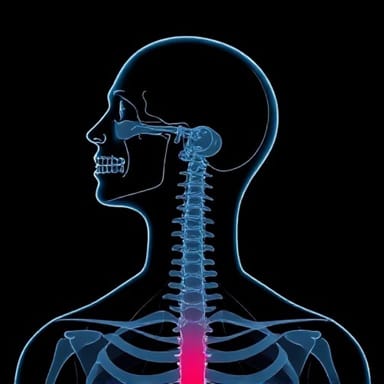
Neck muscle spasms are a common condition that can cause significant discomfort, limited mobility, and even headaches or shoulder pain. These spasms occur when the muscles in the neck contract involuntarily, often due to strain, poor posture, injury, or underlying medical conditions. While clinical examination and patient history are the primary tools for diagnosing neck muscle issues, imaging studies like X-rays are sometimes used to evaluate the cervical spine and surrounding structures. Understanding the role of X-ray in assessing neck muscle spasms is important for both patients and healthcare providers to determine the cause, rule out serious conditions, and guide appropriate treatment.
What is a Neck Muscle Spasm?
A neck muscle spasm refers to the involuntary contraction of one or more muscles in the cervical region. This contraction can be acute or chronic and may result in stiffness, pain, and reduced range of motion. Common muscles affected include the trapezius, sternocleidomastoid, and levator scapulae. Spasms can occur after activities that strain the neck, such as prolonged computer use, sleeping in an awkward position, heavy lifting, or sudden movements.
Causes of Neck Muscle Spasms
There are several potential causes of neck muscle spasms, and identifying the underlying factor is crucial for effective treatment. Common causes include
- Poor posture, especially during long hours of desk work or mobile device use
- Muscle overuse or repetitive strain
- Sudden trauma or whiplash injuries
- Stress and tension, which can increase muscle tightness
- Degenerative cervical spine conditions, such as arthritis or disc problems
- Electrolyte imbalances or dehydration, which may affect muscle function
The Role of X-Ray in Neck Muscle Spasm Evaluation
Although neck muscle spasms primarily involve soft tissue, X-ray imaging can provide valuable information about the underlying skeletal structures that may contribute to muscle tension. X-rays are often used as a first-line imaging study due to their accessibility, speed, and ability to detect bony abnormalities.
Assessing Cervical Spine Alignment
One of the main purposes of X-ray in the context of neck muscle spasm is to evaluate the alignment of the cervical vertebrae. Misalignment or abnormal curvature can lead to compensatory muscle contractions and persistent spasms. X-rays can reveal conditions such as cervical lordosis flattening, subluxation, or vertebral displacement that may be contributing to muscle discomfort.
Detecting Degenerative Changes
Cervical X-rays can help identify degenerative changes such as osteophytes (bone spurs), disc space narrowing, or facet joint arthritis. These structural changes can irritate surrounding muscles and nerves, leading to chronic muscle tension and spasms. Early detection of degenerative changes allows for timely management and may prevent worsening of symptoms.
Ruling Out Serious Conditions
While most neck muscle spasms are benign, X-rays can help rule out more serious conditions that may mimic or exacerbate symptoms. These include fractures, tumors, infections, or congenital spinal abnormalities. Identifying these issues early ensures that patients receive appropriate treatment without unnecessary delay.
Typical Findings on X-Ray for Neck Muscle Spasm
When evaluating X-rays of patients with neck muscle spasms, radiologists and clinicians look for a combination of skeletal features that may explain the muscle tension. Typical findings can include
Normal Findings
- Proper alignment of cervical vertebrae
- Normal disc spaces without narrowing
- No evidence of fractures or bone abnormalities
Abnormal Findings
- Loss of normal cervical lordosis, often due to muscle guarding or chronic spasm
- Osteophytes or bone spurs contributing to nerve or muscle irritation
- Disc space narrowing suggesting degenerative disc disease
- Vertebral misalignment or subluxation that may trigger compensatory muscle contraction
- Signs of previous injury, such as healed fractures or post-traumatic changes
Limitations of X-Ray in Neck Muscle Spasm
While X-rays are valuable for evaluating bone structures, they have significant limitations in assessing soft tissues. Muscle tissue, ligaments, tendons, and nerve roots are not visible on X-ray, meaning that the imaging cannot directly show the cause of the muscle spasm itself. For more detailed assessment of soft tissues, MRI or ultrasound may be needed. These modalities can reveal muscle inflammation, edema, nerve impingement, or other soft tissue abnormalities that contribute to spasms.
Clinical Correlation and Treatment
Interpreting X-ray findings requires careful correlation with clinical symptoms. Patients presenting with neck muscle spasms are typically evaluated for range of motion, pain intensity, trigger points, and neurological function. X-rays provide additional information to rule out structural issues that may affect treatment decisions. Based on the combined assessment, treatment options can include
- Physical therapy to improve posture, strengthen cervical muscles, and reduce tension
- Medications such as non-steroidal anti-inflammatory drugs (NSAIDs) or muscle relaxants
- Heat or cold therapy to relieve muscle tightness
- Ergonomic adjustments at workstations to prevent recurrence
- Targeted injections in cases of chronic pain or nerve involvement
- Surgical intervention only in rare cases where structural abnormalities are severe
Importance of Follow-Up
Patients with recurrent or persistent neck muscle spasms may undergo repeat X-rays or additional imaging studies to monitor changes in cervical spine alignment or degenerative progression. Follow-up imaging ensures that any new structural issues are addressed promptly, supporting long-term neck health and reducing the risk of chronic pain.
X-ray imaging plays an important supporting role in the evaluation of neck muscle spasms by allowing clinicians to assess cervical spine alignment, detect degenerative changes, and rule out serious structural abnormalities. While X-rays cannot directly visualize muscles or soft tissue, they provide essential information about the bony framework that affects muscle function. Combined with clinical examination and, when necessary, MRI or ultrasound, X-rays help guide effective treatment, optimize recovery, and prevent complications. Patients experiencing neck muscle spasms benefit from a comprehensive approach that includes imaging, therapeutic intervention, and preventive strategies to maintain neck mobility and overall well-being.