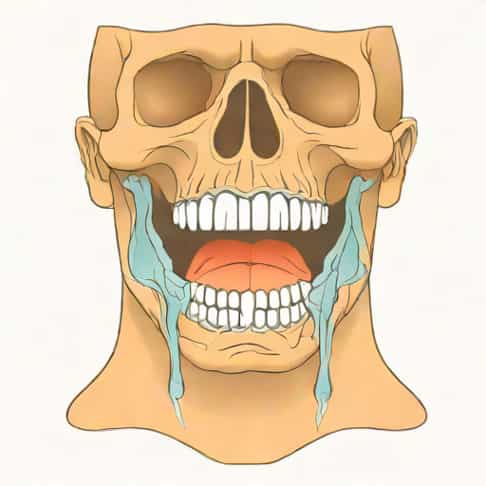
Obtaining a clear X-ray view of the maxillary sinus is a fundamental aspect of dental and medical radiography. The maxillary sinus, located in the posterior region of the upper jaw, is closely associated with the roots of maxillary teeth, the nasal cavity, and surrounding facial structures. Accurate imaging of this area is critical for diagnosing sinus infections, detecting pathological conditions such as cysts or tumors, evaluating pre-surgical sites for dental implants, and assessing the relationship between dental roots and sinus anatomy. Understanding the proper X-ray techniques and views for the maxillary sinus is essential for clinicians to obtain diagnostic-quality images while minimizing patient discomfort and radiation exposure.
Anatomy of the Maxillary Sinus
The maxillary sinuses are paired, pyramidal-shaped cavities within the maxilla, situated lateral to the nasal cavity and above the posterior maxillary teeth. Each sinus communicates with the nasal cavity through the ostium, allowing drainage and ventilation. The floor of the maxillary sinus often lies close to the roots of the upper premolars and molars, making it highly relevant in dental radiography. Variations in sinus anatomy, such as septa or mucosal thickening, can affect the clarity of X-ray images and require careful positioning to visualize effectively.
Indications for Maxillary Sinus X-Rays
There are several clinical reasons for obtaining an X-ray view of the maxillary sinus
- Assessment of chronic or acute sinusitis
- Detection of cysts, tumors, or other pathological conditions
- Evaluation of sinus involvement in dental infections or periapical lesions
- Preoperative planning for dental implants or sinus lift procedures
- Monitoring post-surgical healing or disease progression
Accurate X-ray imaging allows clinicians to make informed decisions regarding treatment and management of conditions affecting the maxillary sinus.
Common X-Ray Views for Maxillary Sinus
Several radiographic techniques are commonly used to visualize the maxillary sinus, each providing unique perspectives and diagnostic benefits. The selection of the appropriate view depends on the clinical indication and the area of interest within the sinus.
Waters’ View
The Waters’ view, also known as the occipitomental view, is one of the most frequently used X-ray projections for evaluating the maxillary sinus. In this view, the patient’s head is positioned so that the chin rests on the imaging plate, with the head tilted upward. The X-ray beam is directed at an angle of approximately 37 degrees from the horizontal plane. This projection allows for clear visualization of the maxillary sinus, the orbital floor, and the nasal cavity. It is particularly useful for identifying sinus opacification, fluid levels, and fractures of the orbital floor.
Periapical Views
Periapical radiographs are primarily used in dental practice to evaluate the relationship between the roots of maxillary teeth and the sinus floor. These images provide high-resolution detail of the teeth and adjacent bone, enabling the detection of periapical infections that may extend into the sinus. Proper angulation of the X-ray beam is essential to avoid superimposition and to accurately represent the proximity of dental roots to the sinus floor.
Panoramic View
Panoramic radiography provides a broad overview of both maxillary sinuses along with the entire maxilla and mandible. While the level of detail is lower compared to periapical radiographs, panoramic images are valuable for screening purposes and for detecting gross pathology such as large cysts, tumors, or sinus fluid accumulation. Panoramic X-rays are also helpful in pre-surgical planning for extensive dental procedures affecting multiple teeth or sinus areas.
CT Scans and Cone Beam Computed Tomography (CBCT)
For detailed three-dimensional assessment of the maxillary sinus, CT scans and CBCT imaging are increasingly preferred. These modalities provide cross-sectional images that allow precise evaluation of bone thickness, sinus volume, septa, and the relationship of teeth to the sinus floor. CBCT, in particular, is favored in dental practice for its lower radiation dose compared to conventional CT and its high-resolution images tailored for dental structures.
Technique and Positioning Considerations
Proper positioning is essential to obtain accurate X-ray views of the maxillary sinus. Key considerations include
- Ensuring the patient’s head is correctly aligned to avoid rotation or tilt that may distort sinus anatomy
- Adjusting vertical and horizontal angulation of the X-ray beam according to the selected projection
- Using appropriate receptor placement to capture the entire sinus cavity
- Minimizing patient movement through support and clear instructions
Attention to these details enhances diagnostic quality and reduces the need for repeat imaging.
Common Findings in Maxillary Sinus X-Rays
X-ray imaging can reveal various conditions affecting the maxillary sinus, including
- SinusitisOpacification or fluid accumulation indicating inflammation
- Dental-related pathologyPeriapical abscesses or lesions extending into the sinus
- Cysts or tumorsRadiolucent or radiopaque lesions requiring further evaluation
- FracturesOrbital floor or maxillary bone fractures often associated with trauma
- Congenital variationsSepta, accessory sinuses, or anatomic asymmetries
Recognizing these findings helps clinicians provide accurate diagnoses and develop appropriate treatment plans.
Radiation Safety and Best Practices
When performing X-rays for the maxillary sinus, radiation safety is paramount. Clinicians should follow the ALARA principle (As Low As Reasonably Achievable) to minimize patient exposure. This includes
- Using the lowest effective dose for the required diagnostic quality
- Employing collimation to restrict the X-ray beam to the area of interest
- Using protective lead aprons and thyroid collars where applicable
- Limiting repeat exposures by ensuring proper positioning and technique on the first attempt
X-ray views of the maxillary sinus are essential tools in both dental and medical diagnostics, providing critical information about sinus health, dental relationships, and potential pathological conditions. By understanding the anatomy of the maxillary sinus, selecting appropriate radiographic projections such as Waters’ view, periapical, or panoramic imaging, and applying careful positioning and angulation techniques, clinicians can achieve high-quality diagnostic images. Advanced imaging modalities like CBCT further enhance visualization, allowing detailed three-dimensional assessment for complex cases. Attention to radiation safety and proper technique ensures that patients receive effective and safe diagnostic care. Accurate X-ray imaging of the maxillary sinus ultimately aids in precise diagnosis, treatment planning, and long-term management of conditions affecting this anatomically significant region.