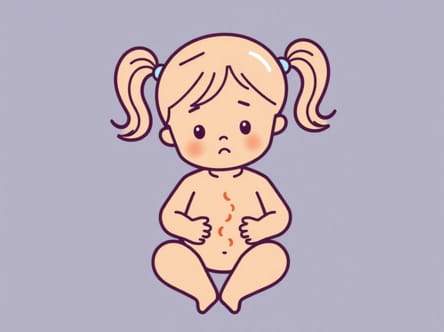
Yeast infections in young children, especially toddler girls, are a common yet often misunderstood health issue. These infections are caused by an overgrowth of Candida, a type of fungus naturally present in the body. While Candida is usually harmless, certain factors can trigger its excessive growth, leading to discomfort and noticeable symptoms. Parents and caregivers need to be aware of these signs, as early detection and proper care are essential to prevent complications and ensure the child’s comfort and well-being.
Understanding Yeast Infections in Toddlers
Yeast infections, also called candidiasis, can affect various parts of a toddler’s body, including the mouth, diaper area, and skin folds. In toddler girls, the most common form is vaginal yeast infection, which can cause irritation and discomfort. Factors such as wet diapers, antibiotics, weakened immunity, or poor hygiene can increase the risk of developing an infection. Although yeast infections are generally not serious, they can be painful and distressing for young children.
Causes of Yeast Infections in Toddler Girls
Several factors contribute to the development of yeast infections in toddler girls. Understanding these causes can help parents prevent and manage infections effectively.
- Antibiotic UseAntibiotics can disrupt the natural balance of bacteria and fungi in the body, allowing Candida to grow unchecked.
- Diaper RashProlonged exposure to wet or soiled diapers creates a warm, moist environment ideal for yeast growth.
- Weakened Immune SystemToddlers with compromised immunity are more prone to infections, including yeast infections.
- Poor HygieneInfrequent cleaning of the diaper area can encourage fungal overgrowth.
- DietExcessive consumption of sugary foods can sometimes contribute to Candida overgrowth.
Common Symptoms of Yeast Infection in Toddler Girls
Recognizing the symptoms of a yeast infection early is crucial for timely treatment. Symptoms can range from mild irritation to more pronounced discomfort, depending on the severity of the infection.
Redness and Irritation
One of the most noticeable signs of a yeast infection is redness in the vaginal area. The skin may appear inflamed, swollen, and tender. Toddlers may show signs of discomfort, such as fidgeting, squirming, or reluctance to sit for long periods.
Itching and Irritation
Intense itching is another common symptom. A toddler may frequently touch or rub her genital area. This itching can lead to further irritation and sometimes small scratches or sores if the area is rubbed excessively.
Discharge
A thick, white, and clumpy discharge resembling cottage cheese is often a clear indicator of a yeast infection. Unlike normal vaginal secretions, this discharge is usually odorless but may be uncomfortable for the child.
Diaper Rash
Yeast infections often cause or worsen diaper rash. Unlike typical diaper rash, the affected area may have bright red patches with well-defined borders. Small bumps or pustules can also appear around the edges of the rash.
Discomfort During Urination
Some toddlers may experience pain or a burning sensation during urination. This can result in frequent urination, crying during potty time, or reluctance to use the bathroom. Monitoring these signs is important, as they indicate irritation from the infection.
Behavioral Changes
Yeast infections can make toddlers more irritable or restless. Because young children may not be able to express discomfort clearly, unusual fussiness, crying, or disturbed sleep patterns can signal an underlying infection.
When to See a Doctor
While mild yeast infections can sometimes be managed at home, it’s important to consult a healthcare professional if symptoms persist or worsen. Immediate medical attention is recommended in the following situations
- The redness and irritation do not improve within a few days of home care.
- There is severe discomfort, swelling, or bleeding.
- The toddler develops a fever or appears generally unwell.
- Recurrent infections occur frequently, suggesting an underlying health issue.
Prevention Tips for Yeast Infections in Toddlers
Preventing yeast infections involves maintaining good hygiene and minimizing risk factors. Parents can take the following steps
- Change diapers frequently and ensure the area is clean and dry.
- Use breathable, cotton underwear or diaper covers to reduce moisture.
- Avoid overuse of antibiotics unless prescribed by a doctor.
- Encourage a balanced diet with limited sugar intake.
- Clean the genital area gently with water, avoiding harsh soaps or wipes with fragrances.
Treatment Options
Treatment for yeast infections in toddler girls usually involves antifungal medications, which may come in the form of creams, ointments, or oral medications, depending on the infection’s severity and location. Following a healthcare provider’s instructions carefully is essential to ensure complete recovery and prevent recurrence. Home remedies such as keeping the area dry and comfortable can support the treatment but should not replace professional care.
Supporting Comfort at Home
In addition to medical treatment, parents can help their toddler feel more comfortable by
- Allowing diaper-free time to reduce moisture buildup.
- Applying a protective barrier cream to prevent further irritation.
- Ensuring the child wears loose-fitting clothing to allow air circulation.
- Maintaining a consistent hygiene routine to prevent recurrence.
Yeast infections in toddler girls can be uncomfortable and distressing but are generally treatable with proper care. Awareness of symptoms such as redness, itching, discharge, diaper rash, and behavioral changes is key to early detection. Parents and caregivers can prevent many infections through good hygiene, proper diaper management, and attentive care. Consulting a healthcare professional ensures that the infection is treated effectively, keeping the child healthy and comfortable.