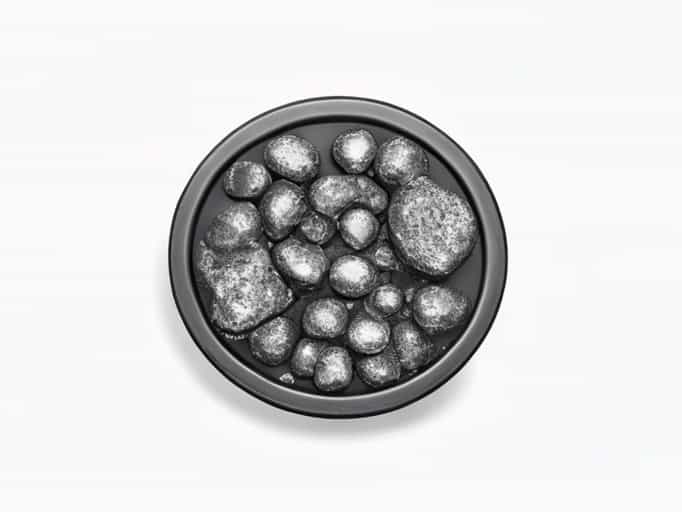
Zinc cadmium sulfide (ZnCdS) is a chemical compound that has been used in various industrial, military, and research applications. While it has practical uses, exposure to zinc cadmium sulfide can pose significant health risks. Cadmium, a component of this compound, is a known toxic metal that can accumulate in the body over time, causing damage to organs and systems, especially the kidneys, lungs, and bones. Understanding the sources, symptoms, mechanisms, and treatment of zinc cadmium sulfide poisoning is critical for workers, medical professionals, and the general public to prevent adverse health outcomes.
What is Zinc Cadmium Sulfide?
Zinc cadmium sulfide is an inorganic compound with the chemical formula ZnCdS. It appears as a yellow-green powder and is often used as a pigment, in fluorescent applications, and historically in tracer studies for aerosol dispersion. While zinc itself is an essential trace element in the human body, cadmium is highly toxic and can cause both acute and chronic health effects. The sulfide component can contribute to inhalation risks when the compound becomes airborne.
Industrial and Environmental Uses
- Fluorescent pigments and phosphors in lighting and display technologies.
- Tracer studies for air flow and dispersion experiments, including historical military experiments.
- Components in certain batteries and semiconductors.
- Research applications in material science and chemistry.
Routes of Exposure
Exposure to zinc cadmium sulfide can occur through inhalation, ingestion, or skin contact. Inhalation of dust or airborne ptopics is the most common route of occupational exposure, especially in industrial settings or during handling of powders. Ingesting contaminated food or water can also pose a risk, particularly in areas with environmental contamination from industrial waste. Skin contact, while less common, may cause local irritation but is not the primary route for systemic toxicity.
Occupational Risk
Workers in industries dealing with pigments, semiconductors, and certain types of batteries may be at higher risk of exposure. Adequate personal protective equipment (PPE), proper ventilation, and rigorous safety protocols are essential to minimize inhalation and dermal contact.
Toxicological Effects
Cadmium is the main toxic component in zinc cadmium sulfide. Once cadmium enters the body, it can accumulate in organs such as the kidneys, liver, and bones. Chronic exposure may lead to irreversible damage, while acute exposure can cause immediate respiratory or gastrointestinal symptoms. Zinc, on the other hand, is generally non-toxic at typical exposure levels, but excessive amounts can contribute to nausea or irritation.
Symptoms of Poisoning
- Respiratory issues coughing, shortness of breath, and chest pain, particularly if dust is inhaled.
- Gastrointestinal symptoms nausea, vomiting, and abdominal pain.
- Kidney dysfunction proteinuria and decreased kidney function in chronic cases.
- Bone demineralization cadmium exposure can weaken bones and increase fracture risk over time.
- Neurological effects in severe poisoning, confusion, dizziness, and headache may occur.
Mechanism of Toxicity
Cadmium interferes with cellular processes by binding to sulfhydryl groups, generating oxidative stress, and impairing DNA repair. This disruption affects multiple organs, particularly the kidneys, which are responsible for filtering and excreting heavy metals. The lungs may also be damaged by inhaled ptopics, leading to inflammation and chronic respiratory problems. Chronic exposure can result in cadmium accumulation in the liver and bones, leading to long-term complications such as osteoporosis and kidney failure.
Factors Affecting Toxicity
- Duration and frequency of exposure.
- Ptopic size and solubility of zinc cadmium sulfide.
- Individual health conditions, including pre-existing kidney or liver disease.
- Age and nutritional status, as deficiencies in calcium, iron, or zinc can increase cadmium absorption.
Diagnosis of Zinc Cadmium Sulfide Poisoning
Diagnosing poisoning requires a combination of clinical evaluation, exposure history, and laboratory tests. Blood and urine tests can measure cadmium levels and assess kidney function. Imaging studies may be used to evaluate organ damage in chronic exposure cases. Early detection is crucial to prevent irreversible organ damage and improve prognosis.
Laboratory Tests
- Blood cadmium concentration to assess recent exposure.
- Urinary cadmium as a marker of chronic exposure.
- Renal function tests, including creatinine and protein levels.
- Complete blood count and liver function tests to evaluate systemic effects.
Treatment and Management
Immediate management of zinc cadmium sulfide poisoning focuses on removing the individual from exposure and supportive care. There is no specific antidote for cadmium, so treatment revolves around minimizing absorption and managing symptoms.
Acute Exposure
- Move the person to fresh air if inhaled.
- Decontaminate the skin with thorough washing if contact occurs.
- Symptomatic treatment for nausea, vomiting, and respiratory distress.
Chronic Exposure
- Monitor and manage kidney function and bone health.
- Provide chelation therapy in selected cases under medical supervision.
- Implement dietary strategies to limit further cadmium absorption, such as adequate calcium and iron intake.
Prevention and Safety Measures
Preventing zinc cadmium sulfide poisoning requires strict adherence to occupational and environmental safety guidelines. Proper use of PPE, workplace ventilation, and exposure monitoring are essential in industrial settings. Additionally, environmental regulations can reduce contamination and protect communities from long-term exposure.
Key Safety Practices
- Use masks or respirators when handling powdered forms of zinc cadmium sulfide.
- Implement proper storage and disposal procedures to prevent contamination.
- Conduct regular workplace monitoring for airborne cadmium levels.
- Educate workers about the risks and symptoms of cadmium poisoning.
- Encourage routine health check-ups for early detection of exposure-related issues.
Zinc cadmium sulfide poisoning is a serious health concern due to the toxic effects of cadmium on multiple organ systems. Awareness of sources, routes of exposure, symptoms, and preventive measures is critical to protect both workers and the general public. While zinc is relatively safe, the cadmium component can cause acute and chronic health issues, particularly affecting the kidneys, lungs, and bones. Early recognition, medical evaluation, and supportive treatment are essential for minimizing harm, and strict adherence to safety protocols can significantly reduce the risk of poisoning in occupational and environmental contexts.