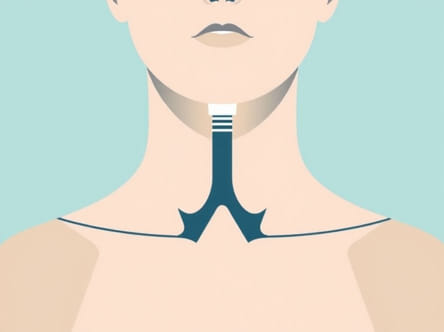
The term tracheotomy” is frequently encountered in medical discussions, especially those related to respiratory care, surgery, and emergency medicine. However, many people might not fully understand the meaning behind the word or its significance. Breaking down medical terms like tracheotomy can provide a clearer understanding of both the procedure itself and its purpose. Exploring the origin, structure, and context of the term “tracheotomy” reveals much about the medical practice it describes and helps demystify a complex concept for everyday readers.
Origins and Etymology of the Term Tracheotomy
The word “tracheotomy” derives from two Greek roots “tracheia,” meaning “rough artery” or “windpipe,” and “tomia,” meaning “cutting” or “incision.” The “tracheia” root specifically refers to the trachea, which is the anatomical windpipe that connects the larynx (voice box) to the lungs. The suffix “-otomy” is widely used in medical terminology to denote a surgical incision or cutting into a part of the body.
Thus, the term tracheotomy literally means “cutting into the trachea.” This etymological breakdown helps highlight that the procedure involves making an incision in the windpipe to gain direct access to the airway.
The Components of the Word Explained
- TracheaThe trachea is a cylindrical tube made of cartilage and muscle, positioned in the neck and chest, allowing air to pass from the throat to the lungs. It is crucial for respiration and protecting the lungs from foreign objects.
- -otomyA suffix used in medical language to indicate an incision or surgical opening made into a specific body part. Other examples include “lobotomy” (cutting into a lobe) and “craniotomy” (cutting into the skull).
Understanding these parts separately helps clarify what the word tracheotomy entails as a whole.
Medical Definition and Purpose of a Tracheotomy
A tracheotomy is a medical procedure where a surgeon makes a deliberate opening in the trachea through the neck. This opening creates a direct airway that bypasses the upper respiratory tract, allowing air to flow straight into the lungs. The procedure is often performed when the usual breathing route is blocked or impaired, making it difficult or impossible for a patient to breathe adequately on their own.
When Is a Tracheotomy Needed?
- Airway ObstructionConditions like tumors, severe infections, trauma, or swelling in the throat or upper airway can block normal breathing.
- Prolonged Mechanical VentilationPatients who require long-term use of ventilators may receive a tracheotomy to improve comfort and reduce complications associated with extended intubation.
- Neurological ConditionsDisorders that impair muscle control needed for breathing or clearing secretions, such as spinal cord injuries or stroke, may necessitate a tracheotomy.
- Severe Trauma or BurnsDamage to the mouth, throat, or neck might require direct access to the trachea for emergency breathing support.
The procedure is typically carried out in controlled medical settings by trained professionals due to its complexity and the importance of the airway.
Difference Between Tracheotomy and Tracheostomy
While the terms “tracheotomy” and “tracheostomy” are sometimes used interchangeably, they refer to related but distinct concepts. A tracheotomy is the actual surgical procedure the incision made into the trachea. A tracheostomy refers to the resulting stoma or opening created by this procedure, often maintained by inserting a tracheostomy tube. This tube keeps the airway open and allows for ventilation and suctioning.
In other words, tracheotomy is the act of cutting, whereas tracheostomy is the state of having an open airway via the surgically created opening. Understanding this distinction is important for medical accuracy and clarity.
How the Procedure Is Performed
Performing a tracheotomy involves several careful steps to ensure safety and effectiveness
- PreparationThe patient is positioned with the neck extended, and the surgical site is cleaned and sterilized.
- IncisionA horizontal or vertical incision is made in the lower front of the neck, just below the larynx.
- Opening the TracheaThe surgeon carefully opens the tracheal rings to create the airway.
- Insertion of Tracheostomy TubeA tube is inserted into the opening to maintain airway patency.
- Securing and MonitoringThe tube is secured with ties or sutures, and the patient is closely monitored for complications.
Risks and Considerations
Though tracheotomy is a life-saving procedure, it carries certain risks and requires careful post-operative care. Potential complications include bleeding, infection, damage to surrounding tissues, and difficulty with speech or swallowing. Long-term management also involves regular cleaning and monitoring of the tracheostomy site to prevent blockage or infection.
Medical teams emphasize patient education and follow-up to minimize these risks and ensure successful outcomes.
Impact on Patient Quality of Life
A tracheotomy can have a profound effect on a patient’s life. While it improves breathing and reduces respiratory distress, it can also affect voice and swallowing. Specialized speech therapy and rehabilitation may be necessary to help patients adapt to these changes. Many patients successfully live full lives after a tracheotomy, especially when it is managed well by healthcare professionals.
Summary
Deconstructing the term “tracheotomy” sheds light on both the linguistic roots and the medical significance of the procedure. Originating from Greek, it literally means “cutting into the trachea,” describing the surgical creation of a direct airway through the windpipe. This procedure plays a vital role in managing airway obstructions, supporting long-term ventilation, and addressing various medical emergencies.
Understanding the components of the term and its application not only demystifies this important medical intervention but also highlights its critical function in saving lives and improving respiratory health. Whether encountered in clinical settings or general health education, appreciating what a tracheotomy entails is essential knowledge for both healthcare providers and the general public.