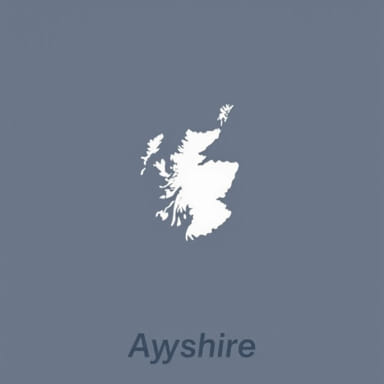
Ayrshire is a historic county located on the southwestern coast of Scotland, offering a mix of natural beauty, cultural heritage, and accessible coastal towns. With rolling countryside, seaside villages, and connections to Scotland’s national history, Ayrshire has long been a significant part of the country’s identity. Visitors and researchers often wonder where exactly Ayrshire is in Scotland, what it includes, and why it’s important today. Understanding the location and role of Ayrshire helps one appreciate its place in both past and present Scotland.
Geographical Location of Ayrshire
Where to Find Ayrshire on the Map
Ayrshire is situated in the southwest region of mainland Scotland. It lies along the Firth of Clyde, giving it a long and scenic coastline. The area is bordered to the north by Renfrewshire, to the east by Lanarkshire, and to the south and southeast by Dumfries and Galloway. The county stretches inland with fertile farmland and extends westward to the coast, offering views of nearby islands such as the Isle of Arran.
Proximity to Major Cities
Ayrshire is approximately 30 miles (48 kilometers) southwest of Glasgow, Scotland’s largest city. This close proximity allows for convenient travel between Ayrshire and Glasgow via road and rail. It also places Ayrshire within easy reach of central and southern Scotland, making it a favored spot for short trips and seaside holidays.
Administrative Divisions of Ayrshire
Modern Council Areas
Today, Ayrshire is divided into three council areas for administrative purposes
- North Ayrshire– Includes towns like Irvine, Largs, and Kilwinning.
- East Ayrshire– Contains Kilmarnock and Cumnock.
- South Ayrshire– Encompasses Ayr, Troon, and Maybole.
These areas were created during local government reorganization in the 1990s. While the historical county name Ayrshire” is still widely used, especially for cultural and geographical references, official matters are handled within these modern divisions.
Main Towns in Ayrshire
The key towns that form the backbone of Ayrshire’s population and economy include
- Ayr– A coastal town and former county town, known for its sandy beach and historical buildings.
- Kilmarnock– The largest town in Ayrshire, with a strong industrial heritage and modern development.
- Irvine– A planned new town with a mix of residential and commercial districts.
Each town has its own identity and significance in the context of Ayrshire and Scotland more broadly.
Cultural and Historical Importance
Birthplace of Robert Burns
One of Ayrshire’s most notable claims to fame is that it is the birthplace of Robert Burns, Scotland’s national poet. Born in Alloway near Ayr in 1759, Burns wrote poems and songs that are deeply rooted in Scottish identity and language. His legacy attracts visitors from around the world, especially during annual Burns Night celebrations.
Castles and Historic Sites
Ayrshire is dotted with castles, churches, and battlefields. Notable landmarks include
- Culzean Castle– A dramatic cliff-top castle managed by the National Trust for Scotland.
- Dundonald Castle– A ruined medieval fortress with links to the Scottish monarchy.
- Crossraguel Abbey– The remains of a 13th-century monastery near Maybole.
These locations help tell the story of Scotland’s feudal past and its struggles for independence and royal power.
Natural Landscape and Environment
Coastal Beauty
The Firth of Clyde coastline gives Ayrshire many beaches, harbors, and seafront promenades. Towns like Troon and Largs are especially popular with tourists for their relaxing views and marine activities. The Isle of Arran, visible from the Ayrshire coast, is often included in local travel itineraries due to its scenic landscape and short ferry connection.
Countryside and Agriculture
Inland Ayrshire is largely rural, with rich farmland used for dairy production, crops, and livestock. The rolling hills and green pastures are characteristic of Scotland’s southern lowlands. Ayrshire also contains nature reserves, forested areas, and walking trails that appeal to outdoor enthusiasts.
Transportation and Accessibility
Rail and Road Connections
Ayrshire is well-connected through both road and rail networks. The A77 and A78 roads provide fast access to Glasgow and southern regions. Meanwhile, regular train services operate between towns in Ayrshire and Glasgow Central Station, making commuting feasible for work or leisure.
Air Travel
Glasgow Prestwick Airport is located within South Ayrshire, near the town of Prestwick. This regional airport offers domestic and international flights, particularly to European destinations. Its presence enhances the accessibility of Ayrshire for tourists and business travelers.
Modern Life in Ayrshire
Living in Ayrshire Today
Ayrshire offers a mix of urban and rural living. Some areas are known for quiet, countryside lifestyles, while others like Kilmarnock and Irvine have modern shopping centers, schools, and business parks. House prices tend to be more affordable than those in central Scotland, making the area attractive for families and retirees.
Education and Employment
The region has several secondary schools and further education colleges. The University of the West of Scotland also has a campus in Ayr, offering a range of academic programs. Employment is found in sectors such as education, healthcare, tourism, agriculture, and manufacturing.
Tourism and Events
Popular Attractions
In addition to historic landmarks, Ayrshire is home to popular tourist destinations such as
- Ayr Racecourse– A major horse racing venue in Scotland.
- Golf courses– Prestwick and Royal Troon are world-famous golfing destinations.
- Burns Cottage– The preserved childhood home of Robert Burns.
Annual Events
Ayrshire hosts a number of festivals, shows, and cultural events, including agricultural fairs, musical performances, and literary celebrations. These events highlight local heritage and bring communities together throughout the year.
Ayrshire, Scotland is a region rich in culture, history, and natural beauty. Located in the southwest part of the country along the Firth of Clyde, Ayrshire includes several key towns such as Ayr, Kilmarnock, and Irvine. It is known for being the birthplace of Robert Burns, its coastal views, and its role in Scottish history. Today, Ayrshire offers a balanced lifestyle, strong transport connections, and a growing appeal for both residents and visitors. Whether you are exploring its castles, walking its beaches, or learning about its past, Ayrshire is a meaningful part of Scotland’s landscape and identity.