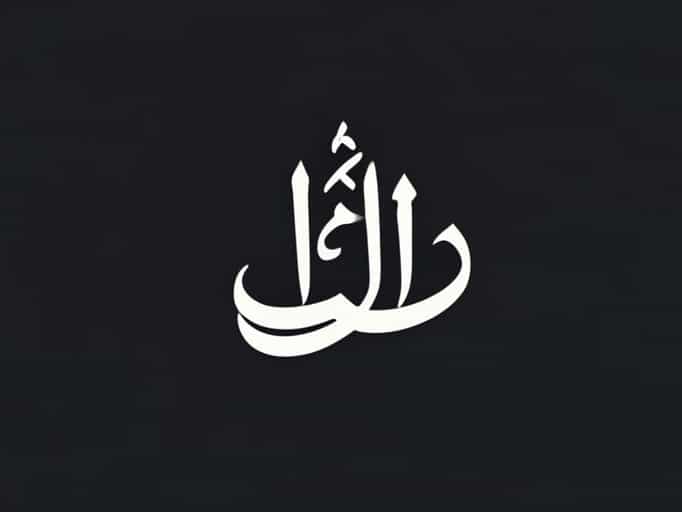
The word khatam carries a deep and spiritual significance in Arabic, often associated with completion, perfection, and fulfillment. Its meaning goes far beyond a simple translation. In religious, cultural, and linguistic contexts, khatam is a term that reflects the conclusion of something sacred or important especially in relation to the Quran. The concept of khatam has been embraced across the Muslim world, representing both an act of devotion and a symbol of accomplishment. Understanding what khatam signifies in Arabic helps reveal how language, faith, and culture intertwine in profound ways.
The Meaning of Khatam in Arabic
In Arabic, ختم (khatam) comes from the root word kha-ta-meem (خ ت م), which primarily means to seal, to close, or to bring to an end. Linguistically, it signifies something that has reached its conclusion or has been finalized with care and purpose. The noun khatm or khatam can refer to both the act of sealing and the seal itself, indicating a sense of completeness and protection.
When used in religious or literary contexts, the term takes on additional layers of meaning. It can symbolize not only the end of a process but also the fulfillment of a duty, a promise, or a divine purpose. This dual meaning both practical and spiritual is what makes the concept of khatam so powerful in Arabic culture.
Khatam in Religious Usage
One of the most common uses of khatam in the Islamic tradition is in connection with the Quran. A khatam al-Quran refers to the completion of reading or reciting the entire Quran, either individually or collectively. This act is considered a moment of great spiritual achievement and is often accompanied by prayer, reflection, and celebration.
For many Muslims, completing a khatam of the Quran during Ramadan holds even greater importance, as the holy month emphasizes spiritual growth, worship, and closeness to God. Families or communities may gather for a khatam ceremony to mark the occasion, offering supplications known as du’a khatam al-Quran.
- Personal devotionMany individuals strive to complete a khatam regularly as a part of their worship routine.
- Community eventsMosques often organize collective Quran readings, culminating in a khatam ceremony.
- Special occasionsA khatam may also be performed to honor the memory of a loved one or to seek blessings for an important life event.
The Symbolism of Completion
To complete something in Arabic, particularly in spiritual or scholarly pursuits, carries deep symbolic meaning. The word khatam conveys not just the act of finishing but also the sense of fulfillment that comes with devotion, effort, and patience. In this way, it embodies an emotional and moral significance.
For example, completing a khatam of the Quran is not only about reading all its verses but also about engaging deeply with its message. The process of reaching the end signifies spiritual growth, discipline, and dedication. This sense of completion is what gives khatam its special place in Arabic vocabulary and Islamic life.
Khatam as a Seal of Authenticity
Another layer of meaning tied to khatam comes from its use as a seal something that authenticates, finalizes, or protects. In classical Arabic usage, khatm refers to the physical seal placed on letters, documents, or contracts to confirm their validity. Once sealed, the content becomes official and protected from tampering.
This metaphor extends into Islamic theology as well. In the Quran, one of the most well-known uses of the word appears in reference to Prophet Muhammad as Khatam an-Nabiyyin (خاتم النبيين) meaning the Seal of the Prophets. This title emphasizes that Muhammad is the final prophet, completing the line of messengers sent by God. Here, the concept of khatam carries both the meaning of completion and the idea of divine perfection.
Linguistic Nuances of Khatam
The versatility of the word khatam lies in its ability to adapt to different contexts without losing its essential meaning. Whether it appears in poetry, theology, or everyday conversation, it always conveys an idea of closure, finality, or completeness.
Common Derivatives and Expressions
- Khatm al-QuranThe completion of the recitation of the Quran.
- Khatm al-du’aThe final supplication or prayer at the end of a religious act.
- Khatm al-‘ilmThe conclusion of a course of study or knowledge.
- Khatm al-nubuwwahThe seal of prophethood, ascribed to Prophet Muhammad.
Each expression highlights a different aspect of the term from personal devotion to divine authority. The richness of the word in the Arabic language illustrates how meanings evolve through culture, faith, and time.
The Cultural Context of Khatam
Beyond religion, khatam also holds significance in cultural and social traditions across Muslim-majority countries. The concept of khatam often extends into community life, education, and celebration.
Khatam Ceremonies in Communities
In many cultures, when a child completes reading the Quran for the first time, a khatam ceremony is organized to mark the milestone. Family members and neighbors gather to celebrate, and the child may recite selected verses while receiving blessings and encouragement. It is not only a religious achievement but also a moment of pride and unity within the family.
Similarly, scholars and students use the term khatam when finishing their studies or completing an important project. In this way, it symbolizes intellectual growth and the satisfaction of reaching a meaningful goal.
Spiritual Significance in Daily Life
For many Arabic speakers, the concept of khatam represents a cycle beginnings and endings that define human experience. Life itself is often viewed as a journey toward spiritual completion, and every small khatam, whether of learning, prayer, or reflection, brings one closer to personal fulfillment.
This understanding has shaped the cultural attitude toward perseverance, gratitude, and closure. Completing something well, with sincerity and intention, is seen as an act of faith a khatam of one’s efforts in the eyes of God.
Khatam in Modern Contexts
While the traditional meaning of khatam remains strong, modern interpretations have also emerged. Today, the word can appear in academic settings, business language, or even casual speech, always implying the idea of wrapping something up or finalizing it.
For example, someone might say they have done the khatam of a training program, meaning they have completed it successfully. The word’s continued use in different domains shows its adaptability and enduring relevance in both spiritual and everyday life.
Comparing Literal and Spiritual Meanings
Although the literal translation of khatam is to seal or to complete, its deeper meaning often depends on context. In the Quranic sense, it can imply divine closure or protection as when hearts are sealed from understanding, meaning they are closed to guidance. In contrast, the spiritual meaning of completing a khatam of the Quran expresses openness, devotion, and connection to God.
This contrast highlights the beauty of Arabic as a language of layers, where one word can carry multiple shades of meaning. Khatam can represent both closure and enlightenment the end of one stage and the beginning of another.
In Arabic, khatam signifies much more than an ending; it symbolizes completion with purpose, authenticity, and devotion. From the linguistic root meaning to seal to its spiritual application in Islam and everyday culture, the word embodies fulfillment and divine connection. Whether in the form of a khatam al-Quran, a seal of prophethood, or the conclusion of a personal journey, khatam reminds believers of the beauty found in completing what is started. It continues to hold a timeless place in Arabic expression, representing not just finality, but the perfection that comes from faith, perseverance, and sincere intention.