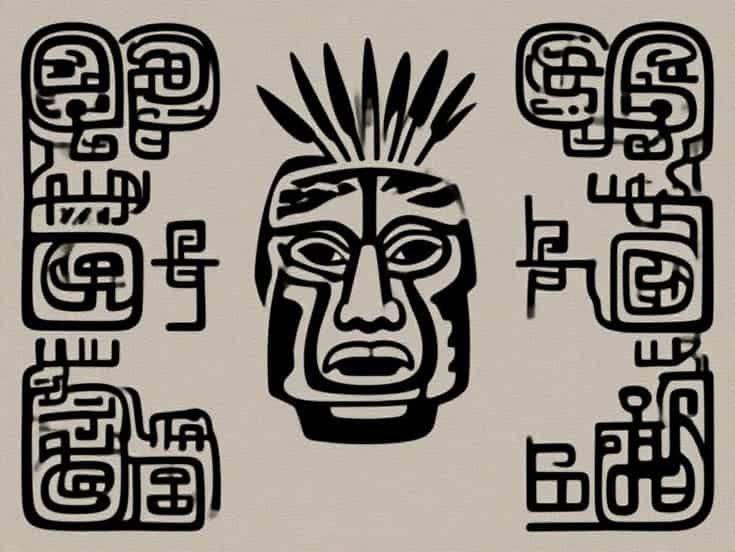
Native American creation myths are rich stories that explain the origins of the world, human beings, animals, and the natural order. These myths are diverse, reflecting the wide range of cultures, environments, and traditions among the many Native American tribes across North America. They often convey moral lessons, cultural values, and a deep connection to the natural world. Through these stories, tribes pass down knowledge, history, and spiritual beliefs from generation to generation. Exploring Native American creation myths provides insight into the worldview, beliefs, and imagination of indigenous peoples and highlights the diversity of their spiritual traditions.
The Diversity of Native American Creation Myths
Native American creation myths vary widely from tribe to tribe. Each tribe has its own unique stories that reflect its environment, social structure, and spiritual beliefs. While some myths focus on the creation of humans and animals, others explain the formation of the earth, sky, and celestial bodies. These stories are passed down orally and are often shared during ceremonies, storytelling sessions, and rituals.
Regional Differences
The geographic region of a tribe often influences its creation myths. Tribes from the Plains, such as the Lakota, tend to emphasize sky and earth elements and the relationship between humans and animals. Southwestern tribes, like the Hopi and Zuni, include stories about the emergence from the underworld and the guidance of deities in shaping the earth. Coastal tribes, such as the Tlingit and Haida, often feature water, sea creatures, and transformations in their creation narratives.
Common Themes Across Tribes
Despite regional differences, many Native American creation myths share common themes
- The connection between humans and nature, highlighting respect for animals, plants, and natural resources.
- Balance and harmony, emphasizing the importance of maintaining equilibrium in the world.
- Transformation and emergence, illustrating how the earth, humans, and animals came into existence.
- Guidance by spiritual beings or deities, often acting as teachers or protectors.
Examples of Native American Creation Myths
Several well-known creation myths offer insight into the beliefs and values of Native American cultures. Each story provides a unique perspective on the origins of life and the universe.
The Iroquois Sky Woman Myth
One of the most famous creation stories comes from the Iroquois Confederacy. According to the myth, Sky Woman fell from the heavens and landed on a vast ocean. Animals, including the turtle, muskrat, and beaver, helped create land by bringing soil from beneath the water. Sky Woman planted a garden on this new earth, and from her, humans eventually emerged. This myth emphasizes cooperation between humans and animals and highlights the sacredness of the earth.
The Navajo Emergence Story
The Navajo people tell of the emergence of the first beings from the lower worlds into the current world. According to the story, spiritual beings traveled through several underworlds before reaching the earth. Along the way, they learned lessons about balance, morality, and proper behavior. This creation myth reinforces the importance of harmony with nature and respect for the guidance of spiritual forces.
The Hopi Kachina Creation Story
The Hopi people have creation myths that feature kachinas, spiritual beings who guide and teach humans. One story tells of the first humans emerging from underground through a sipapu, a sacred portal. The kachinas taught the people how to cultivate crops, live harmoniously, and respect the natural world. Hopi creation myths emphasize agricultural knowledge, community, and the spiritual guidance of ancestral beings.
The Ojibwe and Nanabozho
The Ojibwe tribe tells stories of Nanabozho, a trickster figure who played a key role in creating the earth and shaping the lives of humans. Nanabozho is credited with bringing light, shaping landscapes, and teaching humans how to live. Through his adventures, the Ojibwe learn lessons about morality, problem-solving, and the interconnectedness of all life. Trickster figures like Nanabozho are common in many Native American creation myths, serving as both teachers and reminders of human imperfection.
The Symbolism in Native American Creation Myths
Creation myths are rich with symbolism that conveys cultural values and spiritual beliefs. Understanding these symbols can provide a deeper appreciation of the stories and the lessons they impart.
Animals as Teachers and Helpers
Many myths feature animals that assist in creating the world or guiding humans. Animals represent intelligence, strength, and lessons about cooperation. For example, turtles in the Iroquois Sky Woman story symbolize patience and stability, while the beaver and muskrat demonstrate resourcefulness and determination.
Elements of Nature
Elements such as water, earth, sky, and fire are often central to creation myths. Water is frequently a symbol of life, transformation, and potential, while the earth represents stability and nourishment. The sky often embodies spiritual guidance, higher knowledge, and divine power. These elements help explain natural phenomena and teach respect for the environment.
Emergence and Transformation
Many myths describe humans, animals, or the earth emerging from another form or undergoing transformation. Emergence often represents growth, learning, and the journey from one state of being to another. Transformation can signify the connection between physical and spiritual realms and the ongoing process of creation and renewal.
The Role of Oral Tradition
Native American creation myths are traditionally passed down orally, through storytelling, songs, and rituals. Oral tradition allows the stories to adapt over time while preserving essential lessons and cultural values. Storytelling sessions serve as educational experiences for younger generations, teaching history, spirituality, and ethics in an engaging and memorable way.
Preservation of Culture
By sharing creation myths orally, Native American communities preserve their languages, customs, and spiritual beliefs. These stories reinforce community identity and maintain continuity with ancestors. They are also a means of passing on knowledge about the natural world and the responsibilities humans have to maintain balance and respect for all living things.
Adaptation and Interpretation
While oral tradition preserves core elements, it also allows flexibility in storytelling. Different storytellers may emphasize various aspects of a myth, add details, or adapt it to contemporary circumstances. This adaptability ensures that creation myths remain relevant and meaningful across generations.
Native American creation myths provide a fascinating glimpse into the diverse spiritual and cultural traditions of indigenous peoples in North America. Through stories like the Iroquois Sky Woman, Navajo emergence tales, Hopi kachina legends, and Ojibwe Nanabozho narratives, these myths convey lessons about respect for nature, community, and spiritual guidance. Rich in symbolism, oral tradition, and moral teachings, Native American creation myths continue to influence and inspire, offering timeless insights into the relationship between humans, animals, and the natural world. Exploring these myths allows us to appreciate the depth, creativity, and wisdom of Native American storytelling and their enduring cultural legacy.