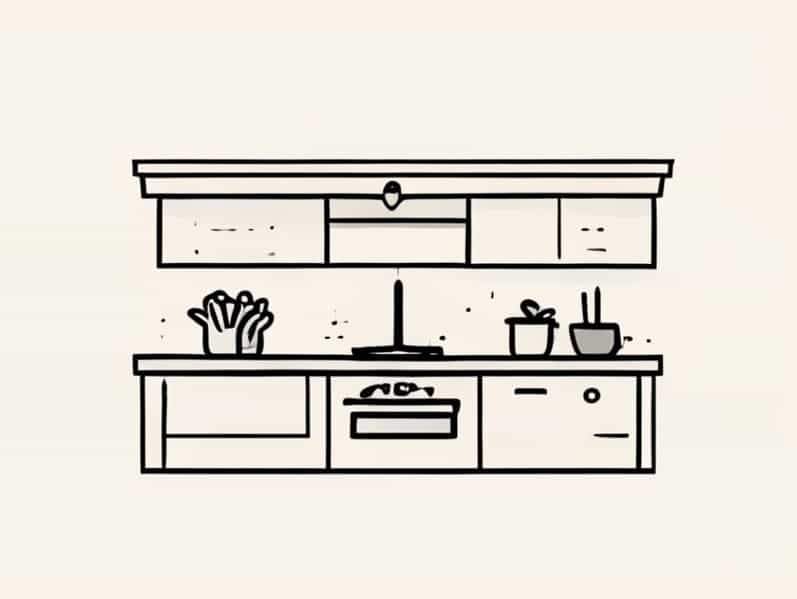
A cornice in a kitchen is a decorative element that adds elegance and style to the space while also serving functional purposes. Often found at the top of kitchen cabinets, a cornice can help conceal lighting, crown molding gaps, or cabinet hardware, giving the kitchen a polished, cohesive appearance. Beyond its aesthetic appeal, a cornice can also contribute to the overall design theme of the kitchen, whether modern, traditional, or transitional. Understanding what a cornice is, its types, and its practical applications can help homeowners and designers make informed decisions about kitchen design and decoration.
Definition of a Kitchen Cornice
A cornice in the context of a kitchen is a horizontal decorative molding that runs along the top of cabinetry, walls, or over windows. While originally used in architecture to cap or crown a building’s exterior, cornices have been adapted for interior use, particularly in kitchens, to create a finished look. In kitchens, cornices often blend functionality with design, allowing for lighting installation, concealing structural gaps, and enhancing the overall aesthetic.
Key Functions of a Kitchen Cornice
- Provides a polished finish to the top of cabinets.
- Conceals lighting fixtures such as LED strips or rope lights.
- Hides gaps between cabinets and the ceiling.
- Enhances the architectural style of the kitchen.
- Can create a visual focal point or unify different design elements.
Types of Kitchen Cornices
There are several types of cornices commonly used in kitchen design. The choice depends on the kitchen style, ceiling height, and homeowner preferences.
1. Decorative Cornice
Decorative cornices are designed primarily for aesthetic purposes. They often feature intricate moldings, carvings, or patterns that add a touch of elegance to traditional or classic kitchen designs. Decorative cornices can make a kitchen feel more luxurious and refined.
2. Lighted Cornice
Lighted cornices incorporate LED strips, rope lighting, or other fixtures to provide ambient illumination. These cornices are both functional and stylish, offering under-cabinet lighting that enhances visibility on countertops while adding a warm, inviting glow to the kitchen space.
3. Plain or Minimalist Cornice
Minimalist cornices have a simple, clean design that blends seamlessly with modern kitchens. They provide a neat, finished look without drawing attention, perfect for contemporary or transitional kitchen designs where subtlety is preferred.
4. Custom Cornice
Custom cornices can be tailored to fit unique cabinet dimensions, ceiling heights, or specific design themes. They allow for creativity in shapes, finishes, and materials, making it possible to create a truly personalized kitchen aesthetic.
Materials Used for Kitchen Cornices
Kitchen cornices can be made from various materials, each offering different benefits in terms of durability, appearance, and ease of maintenance
1. Wood
Wood is a traditional choice for kitchen cornices, providing a warm and classic look. It can be painted, stained, or carved to match the cabinetry and overall kitchen design. Hardwood cornices tend to be more durable, while softwood options are easier to shape and install.
2. MDF (Medium-Density Fiberboard)
MDF is a cost-effective and versatile material used for many modern cornices. It can be easily painted and shaped into detailed profiles. MDF is lightweight and suitable for custom designs, although it may be less durable in humid conditions compared to solid wood.
3. Plastic or PVC
Plastic or PVC cornices are moisture-resistant, making them ideal for kitchens where humidity is a concern. They are lightweight, easy to install, and available in various colors and finishes, though they may lack the natural warmth of wood.
4. Metal
Metal cornices, such as aluminum or stainless steel, are less common but can complement industrial or contemporary kitchen styles. They are durable, easy to clean, and can incorporate modern lighting elements for a sleek, functional design.
Benefits of Installing a Kitchen Cornice
Installing a cornice in a kitchen provides both aesthetic and practical benefits
1. Enhanced Visual Appeal
Cornices add a finished, sophisticated look to kitchen cabinets. They can tie together design elements, complement cabinet trim, and elevate the overall style of the space.
2. Concealment of Gaps and Imperfections
Ceiling and cabinet misalignments can create unsightly gaps. Cornices can cover these imperfections, ensuring a seamless, polished appearance without extensive remodeling.
3. Integration of Lighting
Many modern kitchen cornices are designed to house LED or rope lighting, providing soft, indirect illumination. This lighting enhances functionality on work surfaces and creates a cozy ambiance, improving both task lighting and mood lighting.
4. Customization Options
Cornices can be customized to fit different kitchen layouts, ceiling heights, and design themes. This flexibility allows homeowners to achieve a unique and cohesive look that reflects their personal style.
5. Value Addition
By improving the appearance and functionality of a kitchen, cornices can increase the overall appeal and potentially the resale value of a home. Buyers often appreciate the finished, upscale appearance that cornices provide.
Installation Considerations
When installing a kitchen cornice, several factors should be considered to ensure the best results
1. Measurement and Fit
Accurate measurement is crucial. Cornices must fit snugly along the top of cabinets and accommodate ceiling angles or irregularities. Custom solutions may be required for non-standard kitchen layouts.
2. Material Choice
Select a material that suits the kitchen’s style, humidity levels, and maintenance preferences. Wood and MDF are popular for traditional or modern kitchens, while PVC or metal works well in moisture-prone or industrial-style spaces.
3. Design and Style
Choose a cornice profile that complements the cabinet design and overall kitchen theme. Intricate moldings suit classic designs, while minimalist profiles fit contemporary kitchens.
4. Lighting Integration
If adding lighting, consider the type, placement, and wiring requirements. LED strips are energy-efficient and flexible, making them a popular choice for cornice lighting.
A cornice in a kitchen is more than just a decorative feature; it serves multiple practical purposes, from concealing gaps and integrating lighting to enhancing the overall aesthetic of the space. Available in various materials such as wood, MDF, PVC, and metal, cornices can complement a wide range of kitchen styles, from traditional to modern. They provide both visual appeal and functional benefits, making the kitchen feel complete and polished. Understanding what a cornice is and how it can be used allows homeowners and designers to make informed choices that improve both the style and functionality of the kitchen, ultimately creating a more elegant and enjoyable cooking environment.