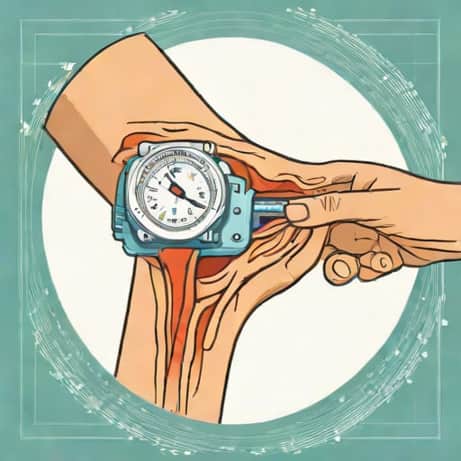
In medical practice, infiltration is a common occurrence during intravenous (IV) therapy, where fluids or medications unintentionally leak into the surrounding tissue instead of remaining in the vein. While often mild and self-limiting, infiltration can occasionally lead to serious complications, including compartment syndrome. Compartment syndrome is a condition in which increased pressure within a closed muscle compartment reduces blood flow, leading to tissue ischemia and potential permanent damage if not treated promptly. Understanding the connection between infiltration and compartment syndrome is critical for healthcare providers to prevent, recognize, and manage this potentially life-threatening complication.
Understanding Infiltration in IV Therapy
Infiltration occurs when an IV catheter dislodges or pierces the vein wall, allowing the infused solution to enter the surrounding tissue. Common signs include swelling, pallor, coolness, and discomfort at the site of infiltration. While most cases are mild and resolve with intervention such as elevating the affected limb and discontinuing the IV, severe or unnoticed infiltration can result in significant tissue injury. The risk of infiltration increases with factors such as fragile veins, prolonged IV therapy, inappropriate catheter placement, or infusion of hypertonic solutions.
Causes of Infiltration
- Poorly secured IV catheter.
- Vein fragility or repeated venipuncture.
- High-pressure infusion or rapid fluid administration.
- Hypertonic or irritant medications.
- Patient movement causing catheter displacement.
Compartment Syndrome An Overview
Compartment syndrome is a serious medical condition that occurs when pressure within a muscle compartment rises to levels that compromise blood flow and nerve function. The muscles in each compartment are enclosed by fascia, a non-elastic tissue, which limits expansion. When infiltration or trauma increases compartment pressure, blood supply can become restricted, causing ischemia and potentially permanent tissue damage. Compartment syndrome is considered a surgical emergency in severe cases and requires immediate recognition and intervention to prevent irreversible harm.
Mechanism of Compartment Syndrome
The pathophysiology involves a cycle of increased pressure, reduced perfusion, tissue hypoxia, and cellular injury. In the context of infiltration, fluid accumulation in the tissue increases the pressure within the compartment. If pressure exceeds capillary perfusion pressure, oxygen delivery to muscles and nerves decreases. Prolonged ischemia leads to tissue necrosis and potential functional loss. Early recognition is crucial to prevent long-term consequences, including nerve damage, muscle contracture, and in severe cases, limb loss.
Link Between Infiltration and Compartment Syndrome
Although compartment syndrome is more commonly associated with trauma, fractures, or crush injuries, infiltration of IV fluids can also trigger the condition. This is especially true in patients receiving large volumes of fluid, hypertonic solutions, or vasoconstrictive medications. The extravasated fluid accumulates in the tissue compartment, increasing pressure rapidly. In small compartments, such as the forearm or hand, even modest fluid infiltration can cause significant pressure elevation, making timely detection essential for patient safety.
Risk Factors for Compartment Syndrome from Infiltration
- Infusion of hypertonic or vesicant medications.
- Use of high-volume IV fluids over short periods.
- Prolonged unnoticed infiltration.
- Patient populations with fragile skin and tissue, such as the elderly or neonates.
- IV placement in areas with tight fascial compartments, such as the forearm or lower leg.
Signs and Symptoms
Early recognition of compartment syndrome is critical to prevent permanent injury. Healthcare providers should monitor for the classic 5 P’s of compartment syndrome, although not all may be present initially. Prompt attention to early warning signs can allow for interventions before irreversible damage occurs.
Classic Signs
- Pain Severe pain at the site, often out of proportion to the initial infiltration injury.
- Paresthesia Tingling or numbness due to nerve compression.
- Pallor Pale or shiny skin over the affected compartment.
- Paralysis Weakness or inability to move affected muscles, often a late sign.
- Pulselessness Absence of distal pulses, generally appearing in advanced cases.
Diagnosis and Monitoring
Diagnosis of compartment syndrome following infiltration is primarily clinical but may be supported by measurement of compartment pressure. Monitoring the affected limb is essential, especially in patients with high-risk IV infusions. Frequent assessment of swelling, skin color, temperature, capillary refill, and patient-reported pain should be standard practice. Measurement of compartment pressure may be performed when the diagnosis is uncertain, with pressures exceeding 30 mmHg typically indicating the need for surgical intervention.
Assessment Tips
- Regularly check IV sites for signs of infiltration, including swelling and coolness.
- Assess patient-reported pain and note if it is disproportionate to visible injury.
- Compare affected limb with the contralateral side for changes in color, temperature, or function.
- Be alert to changes in sensation or motor function as early indicators of nerve compromise.
Treatment and Management
Immediate intervention is essential when compartment syndrome is suspected following infiltration. The primary goals are to reduce pressure, restore perfusion, and prevent irreversible tissue damage. Management may vary depending on the severity and timing of diagnosis.
Initial Interventions
- Stop the infusion immediately to prevent further fluid accumulation.
- Remove the IV catheter to eliminate ongoing infiltration.
- Elevate the affected limb to help reduce swelling, while avoiding excessive compression.
- Apply cold compresses judiciously if indicated to reduce tissue edema.
Advanced Management
Severe cases of compartment syndrome may require surgical intervention, such as a fasciotomy, to relieve pressure within the compartment. Early referral to a surgical team is critical when clinical signs indicate rising pressure or ischemia. Post-operative care includes monitoring for infection, promoting wound healing, and ensuring gradual return of muscle and nerve function through rehabilitation.
Prevention Strategies
Preventing infiltration and the subsequent risk of compartment syndrome is essential in clinical practice. Effective prevention reduces morbidity and improves patient outcomes during IV therapy.
Best Practices
- Choose appropriate IV catheter size and site for the type of infusion.
- Secure the catheter properly to prevent dislodgment.
- Monitor infusion sites frequently for early signs of infiltration.
- Educate staff and patients to report unusual pain, swelling, or discomfort immediately.
- Use infusion pumps with pressure alarms to detect potential complications early.
Compartment syndrome is a serious potential complication of IV infiltration that requires timely recognition and intervention. While infiltration is common and often benign, healthcare providers must remain vigilant, especially when administering large volumes or hypertonic solutions in high-risk populations. Recognizing early signs such as pain, swelling, and sensory changes is crucial to preventing permanent tissue damage. Proper monitoring, immediate cessation of the infusion, and rapid medical intervention can mitigate the risks and ensure patient safety. By understanding the link between infiltration and compartment syndrome, clinicians can take proactive steps to protect patients and improve outcomes in IV therapy.
Ultimately, the awareness and education of healthcare providers regarding the potential for compartment syndrome following infiltration are vital components of safe IV administration. Through prevention, monitoring, and prompt treatment, the serious consequences of this complication can be minimized, safeguarding both limb function and overall patient health.