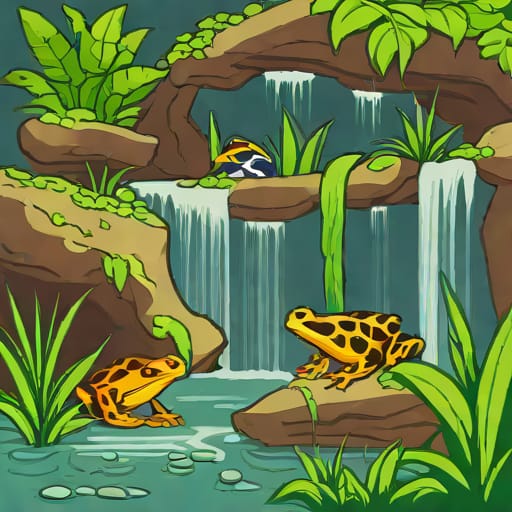
Creating a dart frog vivarium with waterfall is an exciting project for hobbyists who love naturalistic enclosures and want to provide an environment that reflects the lush rainforest habitat of dart frogs. Many enthusiasts find joy in designing detailed setups, complete with flowing water, live plants, and soft mossy textures that make the vivarium look alive. A waterfall adds not only visual beauty but also practical benefits, keeping the humidity stable and the atmosphere rich. Dart frogs thrive in moist, bioactive environments, and building such a habitat can become a relaxing creative process. With the right materials, planning, and knowledge, anyone can create a stunning rainforest display for their frogs to explore. This topic will guide you through understanding the requirements of a dart frog vivarium with waterfall, building tips, essential equipment, maintenance routines, and creative ideas for decoration and planting.
Why a Waterfall Enhances a Dart Frog Vivarium
Dart frogs originate from humid tropical forests, where water trickles over rocks, moss, and fallen leaves. Adding a waterfall to the vivarium helps mimic nature, maintains humidity, and encourages healthy ecosystem cycles. Some keepers enjoy the peaceful sound of water movement inside the enclosure, which adds calmness to a room. When installed correctly, a waterfall becomes a centerpiece that transforms the vivarium from a simple terrarium into a living landscape.
Benefits for Frogs and Plants
The advantages of having a waterfall inside a dart frog vivarium include
- Improved humidity and stable moisture levels
- Better hydration options for frogs without deep water risks
- Encourages microfauna and live bacteria for bioactive setups
- Supports healthy plant growth, especially moss and ferns
- Creates natural airflow and fresh circulation
While dart frogs do not swim, they frequently visit shallow wet surfaces or drink from droplets. A waterfall provides gentle water flow that is safe and enriching.
Choosing the Right Vivarium Size
The size of the enclosure influences design options. A dart frog vivarium with waterfall benefits from vertical space for plants, as well as horizontal space for frogs to explore. Many keepers choose glass tanks to maintain visibility and moisture. A 20-30 gallon tank works well for small groups of frogs and allows for waterfall integration. Larger setups offer more creative freedom, especially if you want multiple water features or dense plant layers.
Ventilation and Humidity Balance
Dart frogs require high humidity, often between 70-100%, yet good ventilation prevents mold. A waterfall assists with humidity but should not oversaturate the environment. A balance is achieved when airflow keeps the vivarium fresh without drying it out. Some setups use mesh tops partially covered to control evaporation.
Building the Waterfall Structure
A waterfall can be built using foam background, rocks, wood, or modular inserts. Many hobbyists sculpt the background using expanding foam and carve channels for water. Others stack slate stones or use pre-formed resin pieces. The key is ensuring stability and creating a shallow flow, avoiding deep pools that could trap frogs.
Pump and Tubing Setup
A water pump is needed to circulate water from a reservoir to the top of the waterfall. When installing
- Use a submersible pump sized appropriately for the tank
- Hide tubing inside the background for a natural look
- Include a drainage layer to prevent flooding
- Use bioactive substrate for water filtration
The reservoir is typically placed under the substrate layer or behind the background. A mesh barrier prevents substrate from clogging the pump.
Selecting Plants for a Dart Frog Vivarium
Plants make the vivarium visually lush and help maintain humidity. Choose tropical species that thrive in low-to-medium light conditions. Live plants also purify water droplets and create climbing areas. Moss, bromeliads, miniature orchids, and creeping vines work beautifully.
Recommended Plant Types
- Bromeliads for leaf cups and perches
- Java moss or sphagnum moss for moisture retention
- Ficus pumila or creeping fig for background coverage
- Pepperomia, Philodendron, or Pothos for foliage
- Ferns and micro orchids for detail accents
Place moisture-loving plants near the waterfall where continuous droplets support growth, while hardier plants can fill drier zones near the top.
Creating a Bioactive Environment
A bioactive setup is ideal for dart frogs. This means including microfauna like springtails or isopods that break down waste and keep the terrarium clean. A drainage layer, usually made with LECA balls or a false-bottom design, prevents waterlogging. A screen separates drainage from substrate, allowing excess water to pool safely.
Substrate Layers
A layered substrate helps plants root and frogs move comfortably
- Bottom layer drainage or false bottom
- Middle layer barrier mesh
- Top layer soil mix of coco fiber, tree fern, and leaf litter
Add leaf litter for dart frogs to hide and hunt small prey. Over time, the vivarium becomes self-sustaining.
Lighting and Temperature
Dart frogs do not require intense lighting, but plants do. Choose LED lights that promote growth without overheating the enclosure. A dart frog vivarium with waterfall should stay at moderate warmth, usually 70-80°F. Avoid heat lamps that dry the habitat. Instead, room temperature and good insulation often suffice.
Day-Night Cycle
- Provide 10-12 hours of light daily
- Use timers to maintain consistency
- Create shaded zones using plant canopy
The frogs will explore the vivarium more when lighting feels natural.
Adding Dart Frogs to the Habitat
Once the vivarium and waterfall have stabilized, you can introduce dart frogs. It is best to let the system run for a few weeks to ensure humidity levels are consistent and plants have settled. Dart frogs come in many striking colors and species. Popular choices include Dendrobates tinctorius, Phyllobates, and Ranitomeya.
Care Considerations
- Only keep compatible frogs together
- Provide small feeders like fruit flies or springtails
- Handle frogs minimally-they have delicate skin
- Monitor humidity with a digital hygrometer
Dart frogs thrive when cared for gently and consistently. A waterfall encourages natural behavior, as the frogs may perch near water or climb wet stones.
Maintaining the Waterfall Vivarium
Regular maintenance ensures the system stays healthy. Clean the pump occasionally, remove debris, and trim plants as they grow. Replace water with dechlorinated or distilled water to prevent mineral buildup. The vivarium will evolve over time, becoming richer in detail and plant life.
Weekly Checklist
- Check water pump function
- Mist the vivarium if needed
- Feed frogs and observe health
- Remove mold or dead leaves
Over months, the environment stabilizes, requiring less intervention. A balanced vivarium with waterfall becomes a miniature ecosystem that feels alive.
A dart frog vivarium with waterfall brings nature indoors, blending art, biology, and creativity. The sound of flowing water, the vibrant green plants, and the colorful dart frogs form a peaceful rainforest scene that benefits both the animals and the keeper. With careful planning-choosing proper plants, building a stable waterfall, maintaining humidity, and supporting a bioactive environment-you can create a thriving habitat. The process rewards patience, but the result is a stunning living display full of movement and life. Watching dart frogs explore their world becomes a daily joy, and the vivarium continuously grows, changes, and surprises with new leaf shoots and moss textures. Anyone passionate about amphibians and natural terrariums can enjoy building such an enclosure. A waterfall elevates the experience, turning a simple vivarium into a rainforest masterpiece.