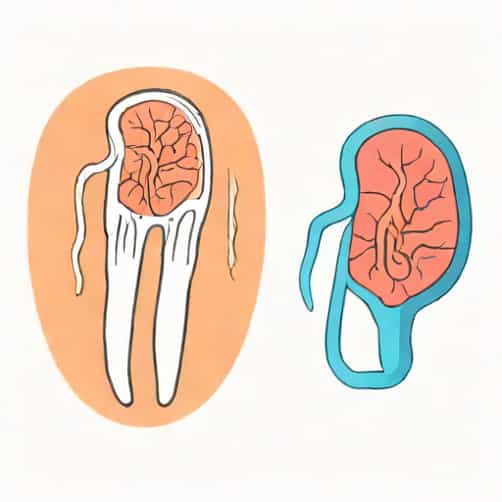
When patients receive intravenous (IV) therapy, complications can sometimes occur at the site where the catheter is inserted. Two common issues that nurses and healthcare professionals often encounter are phlebitis and infiltration. Although both can cause discomfort and require medical attention, they are distinct conditions with different causes, symptoms, and treatments. Understanding the difference between phlebitis and infiltration is essential for anyone working in healthcare or receiving IV therapy, as early detection and proper care can prevent further complications and ensure patient safety.
Understanding Phlebitis
Phlebitis refers to the inflammation of a vein. It often occurs as a result of irritation from the IV catheter or the solution being infused. This inflammation can develop slowly over time or appear suddenly, depending on the cause. Phlebitis is one of the most common complications of IV therapy and can range from mild to severe.
Causes of Phlebitis
Several factors can contribute to the development of phlebitis. Common causes include
- Using a catheter that is too large for the vein.
- Prolonged IV therapy without rotating sites.
- Irritation from certain medications or IV solutions that are too acidic or alkaline.
- Poor technique during insertion or inadequate site cleaning.
- Mechanical irritation from movement of the catheter inside the vein.
Phlebitis can also occur after a vein injury or from underlying medical conditions that affect blood vessels.
Symptoms of Phlebitis
The symptoms of phlebitis are usually visible and localized along the affected vein. Common signs include
- Redness or warmth along the vein.
- Tenderness or pain at the IV site.
- Swelling in the surrounding area.
- A palpable cord-like vein that feels firm under the skin.
In more severe cases, a patient may develop fever or a blood clot, known as thrombophlebitis, which requires immediate medical intervention.
Types of Phlebitis
Phlebitis can be classified into three main types based on its cause
- Mechanical phlebitisCaused by friction or movement of the IV catheter.
- Chemical phlebitisTriggered by irritation from medications or fluids with extreme pH levels.
- Bacterial phlebitisResults from infection at the IV insertion site, often due to poor aseptic technique.
Treatment and Prevention of Phlebitis
When phlebitis is suspected, the IV line should be removed immediately to prevent worsening inflammation. The affected area can be treated with warm compresses to reduce pain and swelling. Anti-inflammatory medications or topical creams may also be used, depending on the severity.
Prevention is key. Healthcare providers can reduce the risk of phlebitis by selecting the appropriate catheter size, rotating IV sites every 72-96 hours, and using sterile techniques during insertion. Flushing the IV line regularly and monitoring for early signs of irritation can also help prevent complications.
Understanding Infiltration
Infiltration occurs when IV fluids or medications accidentally leak into the surrounding tissue instead of the vein. This happens when the IV catheter becomes dislodged or punctures the vein wall. Unlike phlebitis, infiltration is not an inflammation of the vein itself but rather a problem with fluid placement outside the vascular system.
Causes of Infiltration
Infiltration can happen for several reasons, including
- Improper insertion technique leading to vein perforation.
- Movement of the catheter causing it to slip out of the vein.
- Fragile or small veins that cannot handle the IV pressure.
- Failure to properly secure the IV line, allowing it to shift during movement.
- Excessive pressure during infusion, especially with electronic pumps.
Symptoms of Infiltration
Infiltration symptoms differ from those of phlebitis because the issue involves tissue leakage rather than vein inflammation. Common symptoms include
- Swelling or puffiness around the IV site.
- Coolness to the touch due to the fluid under the skin.
- Pale or tight skin around the insertion area.
- Discomfort or pain, which may worsen during infusion.
- Sluggish or stopped IV flow.
If infiltration is not identified early, the tissue around the site may become damaged, especially if the infused medication is an irritant or vesicant.
Treatment and Prevention of Infiltration
Once infiltration occurs, the IV infusion should be stopped immediately, and the catheter should be removed. The affected area should be elevated to reduce swelling, and cold or warm compresses may be applied depending on the type of solution that leaked.
To prevent infiltration, healthcare providers should secure IV lines properly, select appropriate vein sites, and monitor the infusion regularly. Avoiding sites near joints, where movement is frequent, can also reduce the risk. Patients should be instructed to report any pain, tightness, or discomfort at the IV site right away.
Key Differences Between Phlebitis and Infiltration
Although phlebitis and infiltration both occur at IV sites, they differ in cause, symptoms, and treatment. Understanding these distinctions helps in accurate diagnosis and management.
Comparison Table Phlebitis vs. Infiltration
- DefinitionPhlebitis is inflammation of the vein, while infiltration is leakage of IV fluid into surrounding tissue.
- Main CausePhlebitis is caused by irritation, infection, or mechanical trauma to the vein. Infiltration is caused by a displaced or punctured catheter.
- SymptomsPhlebitis presents with redness, warmth, and a firm vein, whereas infiltration causes swelling, coolness, and pale skin.
- Temperature at SitePhlebitis areas feel warm to touch; infiltration areas feel cool.
- TreatmentPhlebitis is treated with warm compresses and inflammation control; infiltration is managed with elevation and compresses based on fluid type.
- PreventionBoth conditions can be prevented with proper insertion, securement, and routine monitoring of IV sites.
Complications If Left Untreated
If phlebitis or infiltration is ignored, serious complications can occur. In phlebitis, the inflammation can progress to thrombophlebitis, where a clot forms inside the vein, increasing the risk of infection or embolism. Chronic cases can also damage veins permanently.
Infiltration, especially when involving vesicant medications, can lead to tissue necrosis or nerve damage. Severe infiltration cases, known as extravasation, require immediate medical attention to prevent long-term tissue injury. Early detection and intervention are crucial to avoid these outcomes.
The Role of Nurses and Healthcare Providers
Nurses play a vital role in identifying and managing both phlebitis and infiltration. Regular site inspections, accurate documentation, and patient education are key responsibilities. Providers should assess IV sites at least every four hours for early warning signs and replace lines that show redness, swelling, or leakage.
Communication with patients is equally important. Patients should be encouraged to speak up about discomfort, as early reporting allows for quick action before complications worsen.
How to Differentiate Phlebitis and Infiltration at the Bedside
For medical professionals, recognizing the difference between phlebitis and infiltration on sight can prevent unnecessary discomfort for patients. Here are practical observations that can help
- Check the temperature warmth suggests phlebitis, while coolness indicates infiltration.
- Look at the color redness is common in phlebitis; paleness in infiltration.
- Palpate the vein a hard, cord-like vein points to phlebitis; a soft, swollen area suggests infiltration.
- Assess infusion flow slow or stopped flow is more typical in infiltration.
The difference between phlebitis and infiltration lies in the nature of the complication—one affects the vein, and the other affects the surrounding tissue. Both are preventable with proper care, technique, and vigilance. By understanding their unique signs and causes, healthcare providers can respond quickly, minimize patient discomfort, and prevent more severe outcomes. Awareness and education are the best tools in ensuring safe and effective IV therapy, helping patients receive the care they need without unnecessary complications.