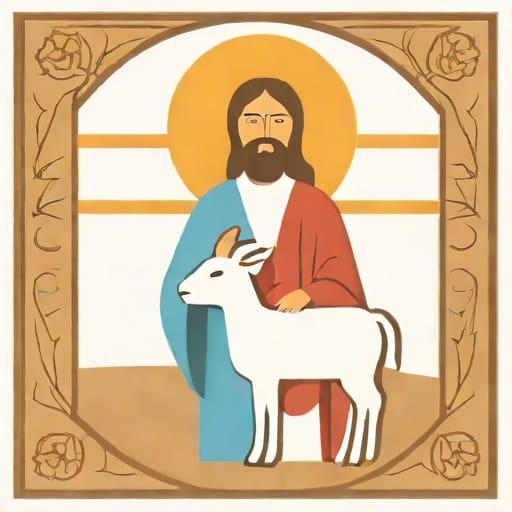
The concept of Jesus Christ as the sacrificial lamb is central to Christian theology and understanding of salvation. This metaphor, deeply rooted in biblical scripture, portrays Jesus not only as a historical figure but also as the ultimate offering for the sins of humanity. From the early chapters of the Old Testament to the writings of the New Testament, the image of the lamb symbolizes innocence, purity, and atonement, drawing a profound connection between sacrificial practices in ancient Judaism and the redemptive work of Christ. Understanding Jesus as the sacrificial lamb offers insight into Christian beliefs about sin, redemption, and divine love, as well as the theological significance of his death and resurrection. It emphasizes the unique role of Christ in reconciling humanity with God and providing spiritual salvation for all who believe.
The Old Testament Background
The imagery of the lamb as a sacrificial offering originates in the Old Testament, where it represents atonement and obedience to God’s commands. In books such as Exodus and Leviticus, lambs were often used in religious ceremonies, particularly during the Passover. The Passover lamb was central to the Israelites’ deliverance from Egypt, symbolizing protection and divine intervention. These sacrificial rituals conveyed themes of purification, obedience, and the cost of sin, establishing a symbolic framework that would later be fulfilled in the life and death of Jesus Christ.
Passover Lamb
The Passover lamb is one of the most significant antecedents to the concept of Jesus as the sacrificial lamb. According to Exodus 12, the Israelites were instructed to slaughter a lamb and mark their doorposts with its blood to avoid the final plague in Egypt. The lamb’s blood acted as a sign of salvation, sparing the firstborn from death. This historical event became a recurring symbol of divine protection and foreshadowed the ultimate sacrifice of Jesus. Christians interpret Christ’s death as fulfilling the typology of the Passover lamb, emphasizing that his blood brings spiritual deliverance and eternal life to humanity.
Jesus Christ as the Lamb of God
In the New Testament, John the Baptist identifies Jesus as the Lamb of God who takes away the sin of the world (John 129). This proclamation establishes the connection between Jesus’ mission and the sacrificial traditions of the Old Testament. Unlike ritual lambs, which were offered repeatedly, Jesus’ sacrifice is understood as perfect, once-for-all, and sufficient for the redemption of humanity. The concept emphasizes that Christ’s death was not merely symbolic but had real theological significance, reconciling humanity to God and overcoming the power of sin and death.
Theological Significance
- AtonementJesus’ death as the sacrificial lamb provides atonement for the sins of humanity, restoring the relationship between God and humankind.
- Purity and InnocenceThe lamb symbolizes innocence, highlighting Jesus’ sinless nature and moral perfection.
- Substitutionary SacrificeChrist’s suffering and death serve as a substitute for the punishment humanity deserves, satisfying divine justice.
- RedemptionThrough his sacrifice, believers are granted spiritual redemption, forgiveness, and reconciliation with God.
Connection to the Crucifixion
The crucifixion of Jesus is central to understanding him as the sacrificial lamb. The Gospels narrate his trial, suffering, and execution, depicting his willingness to submit to God’s will for the sake of humanity. This event fulfills the symbolic and prophetic foreshadowing of sacrificial lambs in Jewish tradition. The shedding of Jesus’ blood on the cross is interpreted as the ultimate act of love and obedience, providing spiritual cleansing for all who accept his sacrifice. The crucifixion demonstrates the depth of divine mercy and the seriousness of sin, emphasizing that reconciliation with God requires the highest form of sacrifice.
Prophetic Fulfillment
Jesus’ role as the sacrificial lamb is often linked to Old Testament prophecies, such as Isaiah 53, which describes a suffering servant like a lamb led to the slaughter. Christians see these prophecies as foretelling the life, suffering, and death of Jesus, reinforcing the theological continuity between the Old and New Testaments. This fulfillment strengthens the belief that Jesus’ sacrificial role was part of a divine plan for human salvation, offering a profound sense of purpose and meaning to his mission on earth.
Spiritual and Liturgical Implications
The metaphor of Jesus as the sacrificial lamb also shapes Christian worship and liturgy. The Eucharist, or Holy Communion, commemorates Christ’s body and blood, linking believers to the sacrificial act. This ritual emphasizes the ongoing spiritual significance of Jesus’ sacrifice, allowing Christians to participate symbolically in his redemptive work. The imagery of the lamb serves as a reminder of Christ’s humility, obedience, and self-giving love, encouraging believers to emulate these virtues in their own lives.
Personal and Communal Faith
Understanding Jesus as the sacrificial lamb impacts both individual and communal expressions of faith. Personally, it inspires gratitude, repentance, and a commitment to moral living. Communally, it fosters unity in worship and shared recognition of Christ’s redemptive role. This metaphor reinforces the ethical and spiritual teachings of Christianity, highlighting that salvation is not earned through human effort alone but granted through divine grace and the sacrifice of Jesus Christ.
Enduring Symbolism
The image of Jesus as the sacrificial lamb continues to resonate in theology, art, and literature. Artists depict the lamb in paintings, sculptures, and iconography, emphasizing Christ’s innocence, suffering, and redemptive role. Writers and theologians use the metaphor to explore themes of sacrifice, redemption, and divine love, illustrating its enduring relevance across centuries. The lamb remains a powerful symbol, connecting contemporary Christians to the foundational truths of their faith and the historical narrative of redemption.
Global and Ecumenical Perspective
The sacrificial lamb metaphor transcends denominational boundaries, appearing in Catholic, Protestant, and Orthodox Christian traditions. Despite differences in theology and liturgy, the shared recognition of Jesus’ sacrificial role unites believers in a common understanding of salvation and divine love. This universality underscores the enduring power of the lamb imagery and its significance in shaping Christian identity and devotion worldwide.
Jesus Christ as the sacrificial lamb represents a profound theological truth central to Christianity. Rooted in the Old Testament traditions of atonement and foreshadowed by the Passover lamb, Jesus’ death and resurrection fulfill the ultimate sacrifice for humanity’s sins. The metaphor conveys moral, spiritual, and theological dimensions, emphasizing atonement, purity, redemption, and divine love. Through the crucifixion, Christians witness the fulfillment of prophecy and the transformative power of God’s grace. The sacrificial lamb continues to inspire worship, reflection, and devotion, highlighting the enduring significance of Christ’s redemptive mission and the hope of salvation for all believers. By understanding Jesus in this light, one gains a deeper appreciation of the ethical, spiritual, and historical richness embedded within Christian faith.