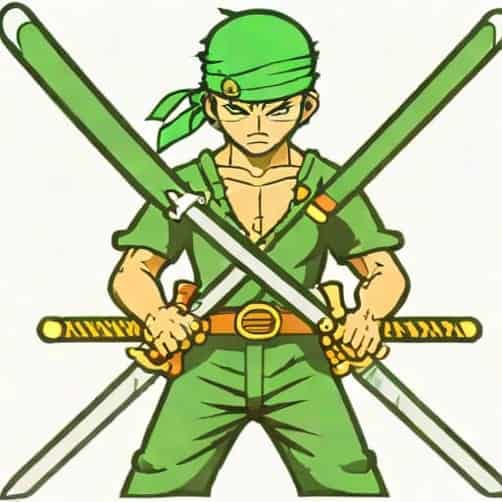
Roronoa Zoro’s Three Sword Style is one of the most iconic and fascinating fighting techniques in the world of anime. Known for his unwavering determination and incredible skill, Zoro wields a sword in each hand and one in his mouth, a technique that sets him apart from virtually every other swordsman in the One Piece universe. The Three Sword Style, or Santoryu, is not just a display of raw strength, but a carefully honed martial art that combines agility, precision, and strategy. Zoro’s mastery of this style allows him to take on multiple opponents at once and perform extraordinary attacks that seem almost impossible. Fans are drawn not only to the visual spectacle of his swordplay but also to the discipline, resilience, and creativity that Zoro brings to every battle, making the Three Sword Style a defining element of his character and a symbol of his relentless pursuit of becoming the world’s greatest swordsman.
Origins of the Three Sword Style
The Three Sword Style, or Santoryu, was developed by Zoro after years of rigorous training and personal experimentation. Unlike traditional sword fighting, which typically relies on one or two swords, Zoro’s technique incorporates a third sword held in his mouth. This unique approach allows him to perform complex attacks that combine multiple angles and movements, overwhelming his opponents with sheer unpredictability. The style is said to have been inspired by Zoro’s desire to surpass conventional limitations and create a method that would make him a formidable opponent even against the strongest adversaries.
Zoro’s early training under his childhood teacher, Koshiro, laid the foundation for his swordsmanship, but it was his own determination and inventive mind that led him to develop the Three Sword Style. By mastering the coordination of three swords simultaneously, Zoro demonstrates not only physical strength but also remarkable mental focus, timing, and spatial awareness, which are essential for executing his signature techniques in battle.
Core Principles of Santoryu
The Three Sword Style is built on several key principles that define its effectiveness and uniqueness. One of the most important aspects is balance. Zoro must maintain perfect equilibrium while holding a sword in his mouth and two in his hands, ensuring that each movement is synchronized for maximum impact. Precision is also crucial; every swing and thrust must be calculated to avoid mistakes that could leave him vulnerable. Additionally, flexibility and adaptability are central to the style, allowing Zoro to adjust his attacks based on the strengths and weaknesses of his opponents.
Another fundamental principle of Santoryu is the combination of offense and defense. Zoro’s technique allows him to deliver powerful attacks while simultaneously blocking incoming strikes, making him a versatile and formidable combatant. The Three Sword Style emphasizes fluidity and continuous motion, allowing Zoro to chain attacks together seamlessly and create devastating combos that few enemies can counter.
Signature Techniques
Zoro’s Three Sword Style features a wide range of signature techniques that showcase his skill and creativity. Each technique is carefully designed to maximize the power of three swords while exploiting his opponent’s vulnerabilities. These attacks are often named to reflect their intensity, visual impact, or unique characteristics, adding an element of flair and personality to his combat style.
Key Techniques in Zoro’s Arsenal
- Oni GiriA swift and powerful three-sword strike that can cut through multiple opponents simultaneously. This technique highlights Zoro’s speed and precision.
- Tatsu MakiA spinning, tornado-like attack that generates tremendous force, allowing Zoro to strike enemies from all directions in a wide area.
- Sanzen SekaiOne of Zoro’s most powerful techniques, involving three simultaneous slashes with incredible speed and strength, capable of overwhelming even the toughest adversaries.
- Kiki KyutoryuA more advanced form of the Three Sword Style that combines multiple techniques into a continuous assault, demonstrating Zoro’s mastery and strategic thinking.
Each of these techniques emphasizes Zoro’s ability to adapt to different combat scenarios, making the Three Sword Style not only visually impressive but also highly practical in battle situations.
Training and Mastery
Zoro’s proficiency with the Three Sword Style did not come overnight. It is the result of years of relentless training, discipline, and a willingness to endure pain and failure in pursuit of perfection. He spends countless hours practicing swings, footwork, and combinations, constantly pushing the boundaries of his physical and mental limits. His training also involves rigorous endurance exercises, strength conditioning, and sparring against opponents of varying skill levels to refine his technique and reaction time.
Mastery of the Three Sword Style requires more than physical strength; it demands mental resilience, patience, and the ability to remain calm under pressure. Zoro’s dedication to his craft is a major reason why he is considered one of the most formidable swordsmen in the One Piece world. Fans admire not only his raw power but also his unwavering commitment to improving himself and surpassing his own limits.
Strengths and Advantages
The Three Sword Style provides Zoro with several distinct advantages in combat. Firstly, it allows him to attack from multiple angles simultaneously, making it difficult for opponents to anticipate his movements. Secondly, the combination of offense and defense ensures that he can protect himself while launching powerful strikes, reducing vulnerability in battle. Thirdly, the style’s adaptability enables him to face a wide range of enemies, from single opponents to large groups, without losing effectiveness.
Additionally, the unique nature of Santoryu gives Zoro a psychological advantage. Opponents often underestimate the complexity and coordination required to wield three swords, giving Zoro the element of surprise and an upper hand in many encounters. His creativity and strategic thinking further enhance the effectiveness of the style, making him a dangerous and unpredictable opponent.
Impact on Character and Story
The Three Sword Style is more than just a fighting technique; it is a core part of Zoro’s identity. It represents his determination, individuality, and willingness to go beyond conventional limits. Throughout the One Piece series, the style serves as a symbol of his growth as a swordsman and his relentless pursuit of becoming the strongest. Fans often view Zoro’s dedication to mastering Santoryu as an inspiring example of perseverance, discipline, and the value of hard work in achieving one’s goals.
Moreover, the Three Sword Style contributes significantly to the excitement and intensity of battles in the series. Its visually stunning attacks, combined with Zoro’s fearless personality, make every fight memorable and engaging. The style also highlights the creative and imaginative world of One Piece, where characters develop unique abilities that reflect their individuality and determination.
Zoro’s Three Sword Style is a testament to the power of creativity, discipline, and perseverance. It combines intricate technique, physical strength, and strategic thinking to create a fighting style that is both impressive and effective. From its origins and core principles to signature techniques and mastery, Santoryu is an essential aspect of Zoro’s character and a major reason for his enduring popularity among fans. The style’s versatility, adaptability, and visual impact make it a central element of the One Piece universe, inspiring viewers with both its excitement and the story of a swordsman committed to surpassing all limits. Whether admired for its technical brilliance, aesthetic appeal, or symbolic significance, the Three Sword Style remains a defining feature of Zoro’s legacy and a beloved element of anime culture.