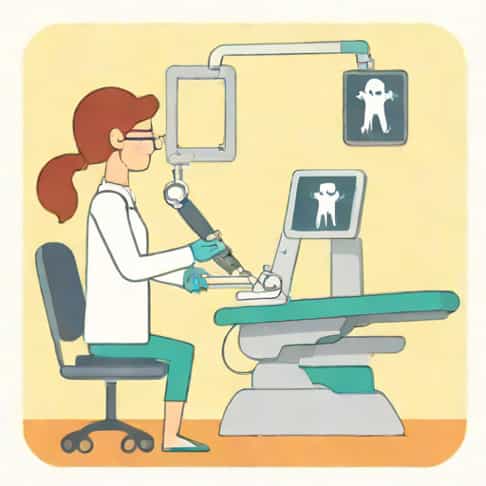
A dental hygienist plays a crucial role in maintaining oral health, providing preventive care, and educating patients about proper dental hygiene. One of the essential tools in a dental hygienist’s toolkit is the use of X-rays. X-rays allow hygienists and dentists to see beyond what is visible during a routine oral examination, helping detect issues such as cavities, bone loss, impacted teeth, and other dental abnormalities. Understanding how a dental hygienist uses X-rays, the types of X-rays, safety precautions, and the benefits of these diagnostic tools provides valuable insight into modern dental care and patient health management.
Role of a Dental Hygienist
Dental hygienists are licensed professionals who specialize in preventive oral care. Their responsibilities include cleaning teeth, examining patients for signs of oral diseases, and educating patients on maintaining healthy teeth and gums. In addition to these tasks, dental hygienists work closely with dentists to gather information that supports accurate diagnosis and treatment planning. X-rays are an integral part of this process, allowing hygienists to capture detailed images of teeth, jawbones, and surrounding tissues.
Importance of X-Rays in Dental Hygiene
X-rays provide a view that is not possible through visual inspection alone. They help detect dental problems early, often before symptoms appear. For dental hygienists, X-rays are a diagnostic aid that supports effective preventive care and assists the dentist in treatment decisions. These images allow hygienists to identify cavities between teeth, check the status of existing fillings or restorations, and monitor the growth of teeth in children and adolescents.
Types of Dental X-Rays Used by Hygienists
Dental hygienists use several types of X-rays depending on the patient’s needs and the area being examined. Each type provides specific information, contributing to a comprehensive understanding of oral health.
Bitewing X-Rays
Bitewing X-rays are commonly used to detect cavities between the teeth and monitor bone levels supporting the teeth. Patients bite down on a small tab while the X-ray captures images of the upper and lower teeth simultaneously. This type of X-ray is especially useful for identifying early decay and assessing the condition of restorations such as crowns or fillings.
Periapical X-Rays
Periapical X-rays focus on one or two complete teeth from the crown to the root. They are used to detect abnormalities in the tooth root, surrounding bone, or jaw structure. Dental hygienists use periapical X-rays to monitor tooth development, detect infections, and evaluate changes in the jawbone that may indicate disease or trauma.
Panoramic X-Rays
Panoramic X-rays provide a broad view of the entire mouth, including all teeth, jawbones, and surrounding tissues. Dental hygienists may use panoramic X-rays to identify impacted teeth, cysts, tumors, or other abnormalities. This type of imaging is especially helpful in planning orthodontic treatments or evaluating complex dental issues.
Cephalometric X-Rays
Cephalometric X-rays are often used in orthodontics. They capture the side profile of the head, showing the relationship between teeth, jaw, and skull. Dental hygienists may assist in taking these X-rays to help orthodontists plan treatments such as braces or corrective jaw surgery.
Procedure for Taking X-Rays
When a dental hygienist takes X-rays, several steps are followed to ensure accuracy and safety. Proper positioning, calibration of the X-ray machine, and protection for the patient are essential components of the procedure.
Preparation
- Explain the procedure to the patient, including its purpose and benefits.
- Provide protective gear such as a lead apron and thyroid collar to minimize radiation exposure.
- Position the patient correctly to obtain clear images of the targeted area.
Capturing the Image
- Select the appropriate X-ray type based on diagnostic needs.
- Adjust the X-ray machine settings for optimal image quality.
- Ensure the patient remains still during the imaging process to avoid blurring.
Review and Documentation
- Examine the X-ray images for any signs of dental issues.
- Document findings in the patient’s dental records.
- Collaborate with the dentist to discuss treatment or preventive care options if abnormalities are detected.
Safety and Precautions
One of the main concerns regarding dental X-rays is radiation exposure. Dental hygienists are trained to follow safety protocols to protect both patients and themselves.
Minimizing Radiation Exposure
- Use lead aprons and thyroid collars for patients.
- Apply the ALARA principle As Low As Reasonably Achievable, to limit exposure.
- Take only the necessary X-rays based on the patient’s dental history and risk factors.
- Maintain and regularly inspect X-ray equipment for proper function and calibration.
Frequency of X-Rays
The frequency of dental X-rays varies depending on the patient’s age, oral health, and risk factors. Dental hygienists evaluate each patient individually and recommend X-rays accordingly. For patients with healthy teeth, X-rays may be taken every 12 to 24 months, while those with ongoing dental issues may require more frequent imaging.
Benefits of X-Rays in Dental Hygiene
X-rays provide numerous benefits that enhance the ability of dental hygienists to deliver effective care. By detecting problems early, X-rays allow for timely interventions that prevent more serious conditions. They also help monitor the effectiveness of past treatments and support long-term oral health planning.
Early Detection and Prevention
Identifying cavities, bone loss, or other dental issues early helps prevent progression to more severe conditions. Early intervention often results in simpler, less invasive treatments and better patient outcomes.
Comprehensive Treatment Planning
X-rays provide essential information that aids dentists and hygienists in developing personalized treatment plans. This ensures that patients receive care that addresses both immediate concerns and long-term oral health goals.
Patient Education
Dental hygienists use X-rays as a visual tool to educate patients about their oral health. Showing patients the images can help them understand the importance of preventive care, proper brushing, and flossing techniques.
Dental hygienists rely on X-rays as a fundamental tool in maintaining and promoting oral health. These images allow them to detect hidden dental issues, monitor ongoing treatments, and provide accurate information for effective care planning. With proper training, adherence to safety protocols, and regular use of diagnostic imaging, dental hygienists can significantly enhance patient outcomes. Understanding how a dental hygienist uses X-rays highlights the importance of technology in modern dentistry and emphasizes the role of preventive care in achieving long-term oral health.