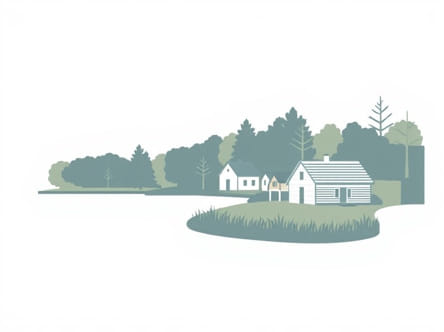
The Algonquian people once thrived along the coastlines and rivers of what is now North Carolina, and the Pamlico River was home to several of their vibrant villages. These communities were not only places to live but also centers of culture, trade, and survival deeply tied to the natural environment. Life in an Algonquian village on the Pamlico River reveals how early Native American societies adapted to their surroundings, formed social structures, and preserved traditions that continue to hold meaning today.
Geography of the Pamlico River
The Pamlico River flows through eastern North Carolina, stretching into the Pamlico Sound. Its waters provided abundant fish, shellfish, and other resources that shaped the daily life of the Algonquian people. The river also served as a transportation route, connecting villages and enabling trade with neighboring communities. The fertile land along the riverbanks allowed for the cultivation of crops, making the region a vital area for settlement.
Importance of Location
The location of an Algonquian village on the Pamlico River was carefully chosen. Settlers favored spots with access to fresh water, fertile soil, and strategic visibility. These factors supported both food production and defense. The river was also an essential lifeline for canoe travel, which was the primary method of transportation for trade and communication.
Village Layout and Structure
An Algonquian village was more than just a cluster of houses. It was a planned community with areas for living, farming, and communal activities. Each village had a central area where gatherings, decision-making, and ceremonies often took place. Surrounding this core were the family dwellings and workspaces.
Housing Styles
The Algonquians typically built wigwams, dome-shaped dwellings made from wooden frames covered with bark or woven mats. These homes were designed to provide insulation during colder months and ventilation during warmer seasons. Larger longhouses might also be found, especially in villages that housed extended families.
Communal Spaces
In addition to housing, the village featured open areas for social gatherings and ceremonies. Fire pits and cooking spaces were commonly shared. The arrangement of dwellings reflected both practical needs and social bonds, reinforcing a sense of unity within the community.
Daily Life in an Algonquian Village
Life along the Pamlico River followed a rhythm shaped by nature. Villagers adapted their routines to the seasons, ensuring food, shelter, and survival. Daily life reflected a balance of work, family, and tradition.
Farming and Food Sources
- AgricultureThe Algonquians cultivated crops such as corn, beans, and squash, often referred to as the Three Sisters. These crops complemented each other nutritionally and agriculturally, ensuring sustainable harvests.
- FishingThe Pamlico River was rich in fish such as shad, herring, and sturgeon. Fishing methods included nets, traps, and spears.
- Hunting and GatheringDeer, turkey, and small game supplemented diets, along with nuts, berries, and roots gathered from the surrounding forests.
Roles of Men and Women
Work was divided by gender, but both men and women played vital roles in village life. Men were often responsible for hunting, fishing, and protecting the community, while women tended crops, prepared food, and cared for children. This balance ensured that survival needs were met while traditions were passed down through generations.
Cultural Practices and Beliefs
Spirituality and tradition were woven into every aspect of Algonquian life. Their beliefs reflected a deep respect for nature and the interconnectedness of all living things. Ceremonies, storytelling, and oral traditions helped preserve knowledge and strengthen community bonds.
Religious and Spiritual Beliefs
The Algonquians believed in a world filled with spiritual forces. Shamans or spiritual leaders guided rituals and healing practices. Seasonal ceremonies often marked important events such as harvests, hunts, or changes in the weather.
Storytelling Traditions
Stories carried the history, lessons, and values of the community. Elders played a crucial role in passing down myths, legends, and practical wisdom. These oral traditions ensured continuity even without written records.
Trade and Interaction with Other Tribes
An Algonquian village on the Pamlico River was rarely isolated. Trade networks extended far beyond the immediate region, linking different tribes along the coast and inland. Goods such as shells, copper, furs, and food items were exchanged, strengthening alliances and spreading cultural ideas.
Use of Canoes
Canoes carved from tree trunks were central to trade and travel. The Pamlico River’s wide waters made canoe navigation essential for connecting villages and transporting goods. This mobility helped establish strong regional ties and a shared cultural identity among Algonquian groups.
Challenges and Adaptations
While the river provided many resources, life was not without challenges. Seasonal flooding, storms, and resource scarcity required constant adaptation. The Algonquians demonstrated resilience through farming techniques, food preservation, and cooperation.
Response to European Contact
When Europeans arrived in the 16th and 17th centuries, life for Algonquian villages along the Pamlico River changed dramatically. Initial encounters involved trade, but diseases brought by Europeans devastated populations. Conflicts over land and resources eventually disrupted traditional ways of life.
Archaeological Evidence of Algonquian Villages
Modern archaeological research provides valuable insights into what life was like in these villages. Artifacts such as pottery, tools, and remnants of dwellings have been discovered along the riverbanks. These findings help historians and archaeologists reconstruct the daily routines, diets, and cultural practices of the Algonquians.
Preserving Cultural Heritage
Today, efforts are being made to preserve the memory of the Algonquian people and their villages. Museums, cultural centers, and educational programs highlight their legacy, ensuring that future generations understand their contributions and history.
Legacy of the Algonquians on the Pamlico River
The legacy of the Algonquian village on the Pamlico River extends far beyond physical artifacts. Their knowledge of the land, farming practices, and cultural traditions continue to influence the identity of the region. Descendants and historians alike keep these stories alive, recognizing the enduring impact of the Algonquian people.
Lessons from the Past
The history of these villages teaches us about resilience, adaptation, and respect for nature. Modern communities can draw inspiration from the ways Algonquians managed resources sustainably and maintained strong social bonds in the face of challenges.
An Algonquian village on the Pamlico River was a hub of survival, culture, and spirituality. Its location along fertile waters supported farming, fishing, and trade, while traditions and stories held communities together. Despite the disruptions of European contact, the legacy of these villages endures in archaeological records, oral histories, and cultural preservation. Understanding their way of life allows us to appreciate not only the history of North Carolina but also the universal themes of human resilience and community across time.