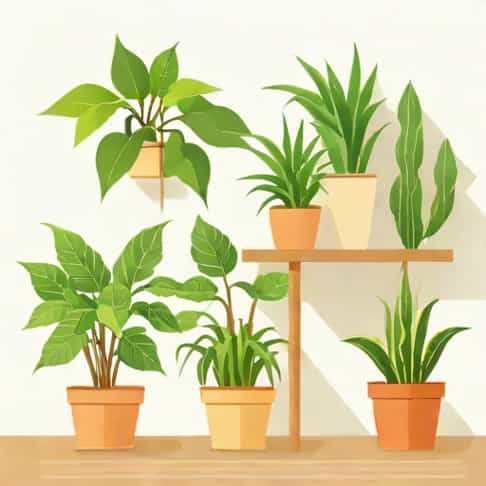
Dry indoor air is a common issue in many homes, especially during colder months or in rooms with constant air conditioning. It can lead to dry skin, irritated eyes, scratchy throats, and even damage to wooden furniture. While electric humidifiers are popular, many people look for natural alternatives that also improve the look and feel of their living space. This is where houseplants come in. Certain plants release moisture into the air through a natural process, helping to humidify a room while also adding greenery and calm to the environment.
How Plants Help Humidify Indoor Air
Plants increase humidity through a process called transpiration. Water absorbed by the roots travels through the plant and is released as water vapor through tiny openings in the leaves. This gentle release of moisture can slightly raise humidity levels, especially when several plants are grouped together.
While plants will not replace a powerful humidifier, they can make a noticeable difference in small to medium-sized rooms when used consistently.
Benefits of Using Plants to Add Humidity
Using plants to humidify a room comes with added benefits beyond moisture. They improve air quality, reduce stress, and create a more comfortable atmosphere.
- Natural and energy-free humidity
- Improved indoor aesthetics
- Better air circulation and freshness
- Positive effects on mood and focus
Are All Plants Effective for Humidity?
Not all houseplants release the same amount of moisture. Plants with larger leaves or higher water needs tend to release more humidity into the air. Tropical plants are especially effective because they are adapted to moist environments.
Choosing the best plants to humidify a room depends on light availability, maintenance preferences, and room size.
Peace Lily
The peace lily is one of the most popular plants for improving indoor humidity. Its broad leaves release moisture efficiently, making it a strong natural humidifier.
Peace lilies thrive in indirect light and also help improve indoor air quality. They are well-suited for bedrooms and living rooms where comfort is a priority.
Areca Palm
The areca palm is often recommended as one of the best plants to humidify a room due to its size and high transpiration rate. Its long, feathery fronds release a steady amount of moisture.
This plant works well in larger spaces and bright rooms, adding both humidity and a tropical feel.
Boston Fern
Boston ferns are known for their ability to release moisture into the air. Their dense foliage creates a natural humidifying effect when properly watered.
They prefer higher humidity themselves, making them especially useful in dry rooms where extra moisture is needed.
Spider Plant
The spider plant is easy to care for and adapts well to different indoor conditions. While smaller than palms or ferns, multiple spider plants grouped together can noticeably increase humidity.
They are ideal for beginners and work well in offices, kitchens, and bedrooms.
Rubber Plant
The rubber plant has large, thick leaves that contribute to moisture release. Its surface area allows for effective transpiration, helping raise humidity levels gradually.
This plant also makes a strong visual statement, combining function with modern interior design.
Bamboo Palm
Bamboo palms are another excellent choice for humidifying indoor spaces. They thrive in indirect light and release consistent moisture.
These palms are often used in homes where dry air causes discomfort, particularly during winter months.
English Ivy
English ivy may not look like a humidifier, but it contributes moisture steadily when grown indoors. Its trailing vines increase leaf surface area, enhancing transpiration.
It is especially useful in bathrooms or kitchens with limited floor space.
Calathea
Calathea plants are loved for their decorative leaves and their preference for moist environments. Because they require regular watering, they naturally release more moisture into the air.
They are best placed in rooms that feel particularly dry, such as air-conditioned bedrooms.
How Many Plants Are Needed?
The number of plants required to humidify a room depends on room size and dryness. A single plant may have a small effect, but several plants grouped together can make a noticeable difference.
Placing plants closer together allows moisture to accumulate more effectively in the surrounding air.
Best Placement for Maximum Effect
To get the most benefit, place plants where air circulates naturally, such as near windows or central areas of a room. Avoid placing them directly next to heating vents, which can dry them out.
Bathrooms, bedrooms, and home offices are common choices for humidity-boosting plants.
Watering and Maintenance Tips
Proper care is essential for plants to humidify a room effectively. Underwatered plants release less moisture and may struggle to survive.
- Keep soil consistently moist, not soggy
- Mist leaves occasionally if appropriate
- Clean leaves to improve transpiration
- Use well-draining pots
Plants Versus Electric Humidifiers
Plants offer gentle, continuous humidity, while humidifiers provide faster and more controlled results. Many people combine both methods for optimal comfort.
Plants are quieter, require no electricity, and improve the overall indoor environment beyond humidity alone.
Who Benefits Most From Humidity-Boosting Plants
People who suffer from dry skin, allergies, or respiratory irritation may benefit from increased indoor humidity. Plants also help protect wooden furniture and musical instruments from drying out.
They are especially helpful in climates with cold winters or dry summers.
Limitations to Keep in Mind
Plants cannot dramatically change humidity levels in very large or extremely dry spaces. Their effect is gradual and works best as part of a balanced indoor environment.
Consistency and proper plant care are key to seeing benefits.
Choosing the best plants to humidify a room is a natural and visually appealing way to improve indoor comfort. Plants like peace lilies, areca palms, Boston ferns, and spider plants release moisture through transpiration while also enhancing air quality and mood. Although they are not a complete replacement for humidifiers, they provide steady, gentle humidity and numerous additional benefits. With thoughtful placement and proper care, humidity-boosting plants can transform dry indoor spaces into healthier and more comfortable environments.