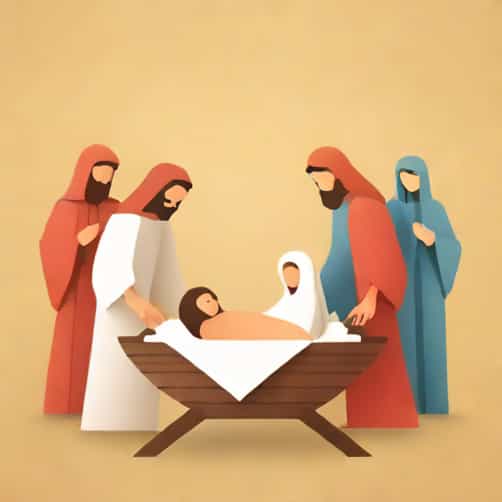
The story of the birth of Jesus is central to Christian faith, but it did not appear suddenly in the New Testament without preparation. Long before the Gospels were written, the Hebrew Scriptures, known to Christians as the Old Testament, contained passages that many believers understand as pointing forward to the coming of the Messiah. These ancient texts were written across different centuries, historical settings, and literary styles, yet they share themes of hope, promise, and divine intervention. For many readers, exploring how the birth of Jesus was foretold in the Old Testament helps deepen their understanding of both the Bible’s unity and its historical depth.
The Idea of the Messiah in the Old Testament
To understand how the birth of Jesus was foretold, it is important to first understand the concept of the Messiah in the Old Testament. The word Messiah comes from the Hebrew term meaning anointed one. In ancient Israel, kings, priests, and sometimes prophets were anointed with oil as a sign of being chosen by God.
Over time, the idea of a future anointed one developed, especially during periods of hardship, exile, and foreign rule. The people of Israel began to hope for a figure who would restore justice, bring peace, and renew their relationship with God. While expectations varied, many Old Testament passages describe this coming figure in ways that Christians later connected to Jesus’ birth and life.
Early Hints in the Book of Genesis
Some Christians see the earliest hint of the Messiah’s coming birth in the book of Genesis. After the fall of Adam and Eve, God speaks of future conflict between the serpent and the offspring of the woman. This passage is often understood symbolically as a promise that evil would one day be defeated.
Later in Genesis, God’s promises to Abraham also play a key role. God tells Abraham that through his descendants, all nations of the earth would be blessed. This promise is significant because the Gospel writers trace Jesus’ family line back to Abraham, presenting his birth as the fulfillment of that ancient covenant.
The Promise of a Virgin Birth
One of the most discussed Old Testament prophecies about the birth of Jesus comes from the book of Isaiah. Isaiah speaks of a young woman, often translated as a virgin, who will conceive and give birth to a son called Immanuel, meaning God with us. In its original historical context, this sign offered reassurance to King Ahaz during a time of political crisis.
However, the Gospel of Matthew interprets this passage as pointing beyond its immediate setting to the birth of Jesus. For Christians, this connection highlights the belief that Jesus’ birth was not only miraculous but also long anticipated within Israel’s sacred writings.
Bethlehem as the Birthplace
Another well-known Old Testament prophecy related to the birth of Jesus is found in the book of Micah. Micah speaks of a ruler who will come from Bethlehem, a small and seemingly insignificant town. This ruler is described as having ancient origins and as one who will shepherd God’s people.
The Gospel accounts emphasize that Jesus was born in Bethlehem, linking his birth directly to this prophecy. For many believers, the specificity of the location strengthens the idea that Jesus’ birth was part of a divine plan revealed centuries earlier.
The Lineage of David
The Old Testament repeatedly emphasizes that the future Messiah would come from the family line of King David. God makes a covenant with David, promising that his throne would be established forever. This promise created an expectation that a future king, greater than David, would arise from his descendants.
Both Matthew and Luke include genealogies that trace Jesus’ ancestry back to David. By doing so, they present Jesus’ birth as the fulfillment of God’s promise to David. This connection was especially important to Jewish audiences familiar with the Old Testament prophecies.
Prophetic Themes Surrounding the Birth
Beyond specific predictions about place or lineage, the Old Testament also presents broader themes that Christians associate with the birth of Jesus. These themes include light overcoming darkness, God dwelling among His people, and the arrival of peace and justice.
The book of Isaiah, for example, speaks of a great light shining on people walking in darkness and of a child born who will be called Wonderful Counselor and Prince of Peace. While these passages do not always describe birth details directly, they shape the expectation of a divinely appointed child who would transform the world.
The Role of Suffering and Humility
Interestingly, the Old Testament also prepares readers for a Messiah who would not fit traditional expectations of power and glory. Some prophetic writings describe a servant who suffers, is rejected, and yet brings healing and redemption to others.
This theme helps explain why Jesus’ humble birth, in modest surroundings rather than royal palaces, aligns with Old Testament patterns. For Christians, the simplicity of Jesus’ birth is not a contradiction of prophecy but a fulfillment of a deeper message about God’s way of working through humility.
How the New Testament Interprets Old Testament Prophecies
The New Testament writers frequently quote or allude to Old Testament passages when describing the birth of Jesus. They present these prophecies as evidence that Jesus did not arrive by accident or coincidence. Instead, his birth is shown as the continuation of a long story that began with Israel’s earliest scriptures.
It is important to note that Jewish and Christian interpretations of these texts can differ. While Christians see these passages as direct predictions of Jesus’ birth, Jewish interpretations often understand them within their original historical contexts. Recognizing this difference can lead to a more respectful and informed reading of the Bible.
The Lasting Significance of These Prophecies
The belief that the birth of Jesus was foretold in the Old Testament continues to shape Christian theology, worship, and reflection, especially during the Christmas season. These ancient prophecies connect the story of Jesus to a wider narrative of hope, promise, and divine faithfulness.
For many readers today, studying these Old Testament passages offers more than historical insight. It invites reflection on themes of expectation, patience, and trust in God’s purposes. Whether approached from a faith perspective or an academic one, the idea that the birth of Jesus was foretold remains a powerful and enduring part of biblical tradition.