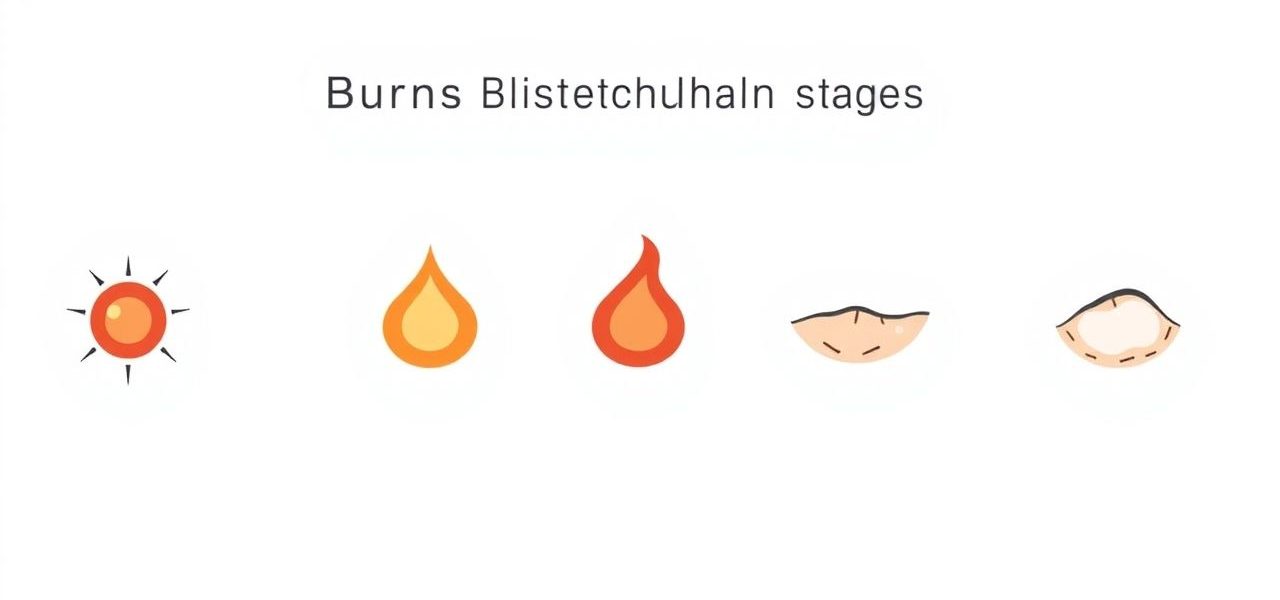
Burn blisters are a common consequence of minor to moderate burns on the skin, often resulting from exposure to heat, chemicals, or friction. These blisters represent the body’s natural response to injury, protecting the underlying tissue while healing occurs. Understanding the healing stages of burn blisters is essential for proper care, prevention of infection, and effective recovery. While burn blisters may appear alarming, their development follows a predictable pattern that allows medical professionals and patients to manage them safely and minimize complications.
Formation of Burn Blisters
Burn blisters usually form within a few hours of the injury. They are most commonly associated with second-degree burns, where the damage affects both the outer layer of skin (epidermis) and part of the underlying layer (dermis). The initial stage of blister formation involves fluid accumulation between the epidermis and dermis as the body reacts to cell damage. This fluid acts as a cushion, protecting deeper tissues and promoting healing.
Early Symptoms
During the early formation of a burn blister, several symptoms can be observed
- Redness and inflammation around the burn area
- Intense pain or tenderness
- Appearance of small or large fluid-filled blisters
- Sensitivity to touch and temperature
Recognizing these early signs allows for timely intervention and reduces the risk of further tissue damage or infection.
Healing Stages of Burn Blisters
The healing process of burn blisters typically occurs in multiple stages, each playing a critical role in tissue recovery. Understanding these stages helps in determining the appropriate care for optimal healing.
Inflammatory Stage
The inflammatory stage begins immediately after the burn injury and usually lasts for 1 to 3 days. During this phase, the body sends white blood cells to the damaged area to fight infection and remove dead tissue. The burn site may appear swollen, red, and painful. The blister fluid continues to accumulate, providing a protective barrier for the underlying dermis. Proper care during this stage involves keeping the area clean and avoiding popping the blister, as this increases the risk of infection.
Proliferative Stage
The proliferative stage generally occurs between 3 to 10 days after the burn. During this phase, the body begins to produce new skin cells and connective tissue to replace the damaged layers. Blood vessels form within the injured area, bringing essential nutrients to support healing. The blister may start to flatten as fluid is gradually reabsorbed into the body. Protective dressings can be used to maintain a moist environment, which promotes faster healing and reduces scarring.
Maturation and Remodeling Stage
The final stage of healing, called the maturation or remodeling stage, can last several weeks to months depending on the burn’s severity. In this phase, new skin becomes stronger and more flexible. Collagen fibers reorganize to provide structural integrity, and the color of the healed skin gradually returns closer to normal. Any residual redness or tenderness diminishes over time. Continued care, including moisturizing and gentle sun protection, helps maintain healthy skin and prevent long-term complications such as hyperpigmentation or contractures.
Care and Management During Healing
Proper care of burn blisters is crucial to prevent infection and facilitate smooth healing. Key practices include
Do Not Pop the Blister
Popping a burn blister exposes the underlying tissue to bacteria, increasing the risk of infection. The fluid inside the blister serves as a natural protective layer, promoting faster recovery.
Cleaning and Dressing
Gently clean the area with mild soap and water to remove debris and reduce infection risk. Applying sterile dressings or burn-specific bandages helps protect the area and maintain a moist environment, which accelerates the healing process.
Pain Management
Pain and inflammation can be managed using over-the-counter medications such as acetaminophen or ibuprofen. Elevating the affected area and applying cool compresses may also provide relief.
Monitoring for Infection
Signs of infection include increased redness, swelling, pus formation, or fever. If any of these symptoms occur, medical attention should be sought promptly. Early intervention can prevent complications and promote effective healing.
Factors Affecting Healing
Several factors can influence the rate and quality of burn blister healing
- Age Children and younger individuals typically heal faster than older adults.
- Nutrition Adequate protein, vitamins, and hydration support tissue repair.
- Burn severity Larger or deeper burns take longer to heal and may require specialized care.
- Medical conditions Diabetes or immune system deficiencies can slow healing.
- Care adherence Following proper wound care protocols accelerates recovery.
Complications and When to Seek Help
While most burn blisters heal without complications, some issues can arise if care is inadequate or if the burn is severe. Potential complications include
- Infection leading to delayed healing or systemic illness
- Scarring or changes in skin pigmentation
- Contractures or reduced mobility if the burn is near joints
- Recurrence or additional tissue damage from improper handling
Medical evaluation is recommended for large, deep, or infected blisters to ensure proper treatment and minimize long-term effects.
Burn blister healing is a multi-stage process that reflects the body’s natural mechanisms for tissue repair and protection. From the initial inflammatory stage to proliferation and eventual maturation, each phase plays a critical role in recovery. Proper care, including avoiding popping the blister, maintaining cleanliness, and monitoring for infection, ensures optimal healing and reduces complications. Understanding the stages of burn blister healing helps patients and caregivers manage injuries effectively, leading to smoother recovery and healthier skin in the long term.