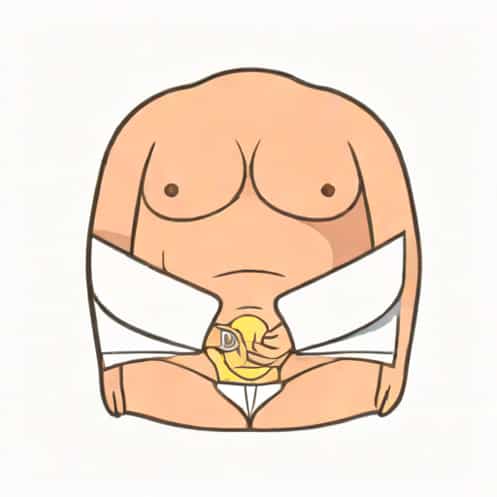
Hernia surgery is often considered a definitive solution to a problem that can cause pain, discomfort, and physical limitations. However, many patients wonder if hernias can recur even after undergoing surgical repair. Understanding the factors that contribute to recurrence, the types of hernia surgeries available, and the preventive measures patients can take is essential for anyone seeking long-term relief. Recurrence does not necessarily indicate a failed surgery, but it highlights the complexity of the condition and the importance of proper post-operative care and lifestyle adjustments.
What Is a Hernia?
A hernia occurs when an organ or fatty tissue pushes through a weak spot in the surrounding muscle or connective tissue. Common types include inguinal hernias, femoral hernias, umbilical hernias, and hiatal hernias. Hernias can develop due to factors like chronic coughing, heavy lifting, obesity, or congenital weaknesses in the abdominal wall. While hernias are often not immediately life-threatening, they can cause pain, discomfort, and complications such as strangulation, where blood supply to the tissue is cut off.
Hernia Surgery Overview
Surgery is the primary treatment for most hernias. The goal of hernia surgery is to return the protruding tissue to its proper place and reinforce the weakened area. There are two main types of hernia repair
- Open SurgeryThe surgeon makes an incision near the hernia, pushes the tissue back, and reinforces the area with sutures or a synthetic mesh.
- Laparoscopic SurgeryUsing small incisions, a camera, and specialized instruments, the surgeon repairs the hernia and usually places a mesh for reinforcement. This method is less invasive and often has faster recovery times.
Can Hernias Recurring After Surgery?
Yes, hernias can recur after surgery, though recurrence rates have decreased with advances in surgical techniques and the use of mesh reinforcement. Recurrence may occur due to several factors, including the type of hernia, surgical technique, patient health, and post-operative behavior. Understanding these risk factors can help patients minimize the chances of recurrence and improve long-term outcomes.
Factors That Influence Recurrence
- Surgical TechniqueProper placement of sutures or mesh is critical. Surgeons with more experience and expertise generally have lower recurrence rates.
- Hernia TypeCertain hernias, such as large or complex inguinal hernias, have a higher likelihood of recurrence.
- Patient FactorsObesity, smoking, chronic coughing, or underlying connective tissue disorders can increase the risk.
- Activity Level Post-SurgeryLifting heavy objects too soon or failing to follow recovery guidelines can compromise the repair.
Mesh vs. Non-Mesh Repairs
One of the significant advancements in hernia surgery is the use of synthetic mesh to reinforce the repair. Studies have shown that mesh repairs generally have lower recurrence rates compared to traditional suture-only repairs. Mesh provides added strength to the weakened area, reducing tension on the tissues and improving long-term durability. However, complications such as infection, mesh migration, or chronic pain can occur, so proper surgical technique and patient selection are essential.
Advantages of Mesh Repair
- Lower recurrence rates compared to non-mesh repairs.
- Reduced tension on surrounding tissues, leading to faster recovery.
- Better outcomes for larger or complex hernias.
Potential Risks and Considerations
- Infection at the surgical site.
- Chronic pain due to nerve irritation or mesh placement.
- Mesh migration or erosion in rare cases.
Signs of Hernia Recurrence
Patients should be aware of symptoms that may indicate a recurring hernia. Early detection is crucial for timely intervention and to prevent complications. Common signs include
- A noticeable bulge at or near the site of the original hernia repair.
- Pain, discomfort, or a feeling of heaviness in the affected area.
- Swelling or tenderness that worsens with physical activity.
- Changes in bowel movements or urinary function if the hernia affects internal organs.
When to Seek Medical Attention
Patients experiencing sudden pain, nausea, vomiting, or an irreducible bulge should seek immediate medical attention, as these may indicate a strangulated hernia-a serious complication requiring urgent surgery. Even mild signs of recurrence should prompt consultation with a healthcare provider to assess the need for further evaluation or treatment.
Preventing Hernia Recurrence
While some risk factors, like congenital weaknesses, cannot be changed, several strategies can help reduce the likelihood of hernia recurrence after surgery. Following post-operative guidelines and adopting a healthy lifestyle are crucial.
Post-Surgery Care Tips
- Avoid heavy lifting for the recommended period, usually four to six weeks after surgery.
- Gradually increase physical activity as advised by the surgeon.
- Maintain a healthy weight to reduce strain on the abdominal wall.
- Address chronic coughing or constipation, which can increase abdominal pressure.
- Follow up with your surgeon regularly to monitor the healing process.
Hernia recurrence after surgery is possible but not inevitable. Advances in surgical techniques, particularly the use of mesh, have significantly lowered recurrence rates. Factors such as surgical expertise, type of hernia, patient health, and post-operative care all influence the likelihood of recurrence. Patients should remain vigilant for signs of recurrence, follow medical advice diligently, and make lifestyle adjustments to support long-term repair success. With proper care and attention, most individuals can enjoy lasting relief and improved quality of life following hernia surgery.