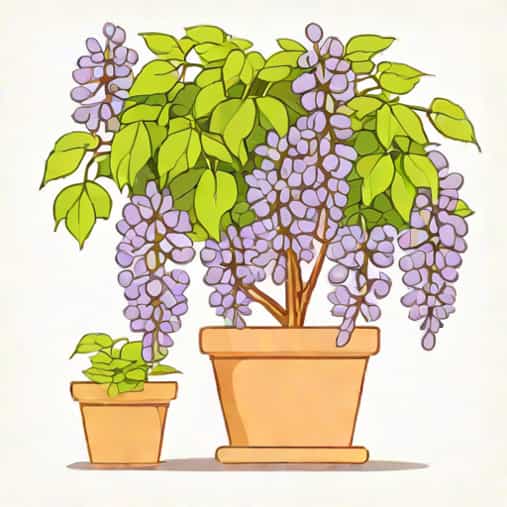
Wisteria is a stunning flowering plant known for its cascading clusters of purple, blue, or white blooms that bring a touch of elegance to any garden or outdoor space. Many gardeners admire wisteria for its beauty but may hesitate to plant it in the ground due to space constraints or concerns about its vigorous growth. One common question that arises is whether it is possible to grow wisteria in a pot. Growing wisteria in a container can be a practical solution for small patios, balconies, or urban gardens, but it requires careful planning, proper pot selection, and consistent care to thrive. In this topic, we will explore the steps, challenges, and tips for successfully growing wisteria in a pot.
Choosing the Right Type of Wisteria
Before planting wisteria in a pot, it is important to select a variety suitable for container growth. Some wisteria species grow very vigorously and are better suited for large gardens, while others are more manageable and adapt well to container life.
Recommended Wisteria Varieties for Pots
- Wisteria sinensis (Chinese Wisteria)Known for its fragrant purple blooms, it can be grown in pots if pruned carefully.
- Wisteria floribunda (Japanese Wisteria)Features long, dramatic flower clusters and responds well to container cultivation with regular trimming.
- Wisteria frutescens (American Wisteria)More compact and slower growing, making it easier to manage in a pot.
- Compact or dwarf varietiesCertain cultivars are bred specifically for smaller spaces and container growth.
Selecting the Right Pot
The container you choose plays a crucial role in the success of growing wisteria in a pot. Wisteria has an extensive root system that needs room to grow, so a large and sturdy pot is essential. Additionally, the pot must provide adequate drainage to prevent waterlogged soil, which can harm the roots.
Pot Material and Size
- MaterialTerracotta, ceramic, or wooden containers are ideal because they are durable and allow for some air circulation to the roots.
- SizeStart with a pot that is at least 18 to 24 inches in diameter. As the plant grows, it may need to be repotted into an even larger container.
- DrainageEnsure the pot has multiple drainage holes to prevent root rot and support healthy growth.
Soil and Planting
Wisteria prefers well-draining soil that is rich in organic matter. Using a high-quality potting mix is recommended, as garden soil may compact too much in a container and hinder root growth.
Planting Tips
- Fill the bottom of the pot with a layer of gravel or broken pottery to improve drainage.
- Use a mix of general-purpose potting soil and compost to provide nutrients.
- Plant the wisteria so that the top of the root ball is level with the surface of the soil.
- Water the plant thoroughly after planting to settle the soil around the roots.
Supporting Growth with Trellises
Even in a pot, wisteria requires a structure to climb on. Installing a trellis or a strong support helps the plant grow upward, encourages flowering, and prevents the vine from sprawling uncontrollably. Choose a support that can be anchored securely to the pot or nearby structure, and ensure it is tall enough to accommodate several years of growth.
Watering and Fertilizing
Proper watering and feeding are essential for container-grown wisteria. Potted plants dry out faster than those planted in the ground, and their nutrient supply can be limited. Consistent care is required to keep the plant healthy and flowering.
Watering Tips
- Keep the soil evenly moist, especially during the growing season.
- Avoid waterlogging by ensuring good drainage.
- In hot summer months, water more frequently to prevent the soil from drying out completely.
Fertilizing Tips
- Use a balanced liquid fertilizer in spring and early summer to encourage growth and flowering.
- Avoid high-nitrogen fertilizers, as they promote leaf growth at the expense of flowers.
- Adding slow-release fertilizer in the potting soil can provide steady nutrients throughout the growing season.
Pruning and Maintenance
Pruning is vital for controlling the size of wisteria in a pot and stimulating flower production. Regular pruning prevents the plant from becoming too large for the container and encourages the development of flower buds.
Pruning Guidelines
- Prune back long shoots in summer to keep the plant compact.
- In winter, trim back side shoots to one or two buds to encourage blooms in spring.
- Remove any dead or weak branches to maintain plant health.
Overwintering Wisteria in Pots
Wisteria in pots may need extra protection during the winter months, especially in regions with cold winters. Unlike garden-planted wisteria, container plants are more exposed to temperature fluctuations, and their roots are at risk of freezing.
Winter Care Tips
- Move the pot to a sheltered location, such as a garage, greenhouse, or against a sunny wall.
- Mulch the top of the soil with straw or leaves to insulate the roots.
- Reduce watering in winter, but do not allow the soil to dry out completely.
Common Challenges and Solutions
Growing wisteria in a pot comes with challenges, but they can be managed with careful attention. Some common issues include limited flowering, root congestion, and pest problems.
Tips for Overcoming Challenges
- Limited floweringEnsure proper pruning and avoid over-fertilizing with nitrogen.
- Root congestionRepot the plant every 2-3 years to refresh soil and give roots more space.
- PestsMonitor for aphids, scale, and other pests, and treat with insecticidal soap if necessary.
It is entirely possible to grow wisteria in a pot, but success depends on careful variety selection, appropriate pot size, good soil, regular watering, proper pruning, and winter protection. With the right care, container-grown wisteria can produce beautiful cascading flowers and serve as a stunning feature on patios, balconies, or small gardens. By following these guidelines, gardeners can enjoy the elegance of wisteria even in limited spaces, proving that with patience and attention, potted wisteria can thrive and bring joy for many years.