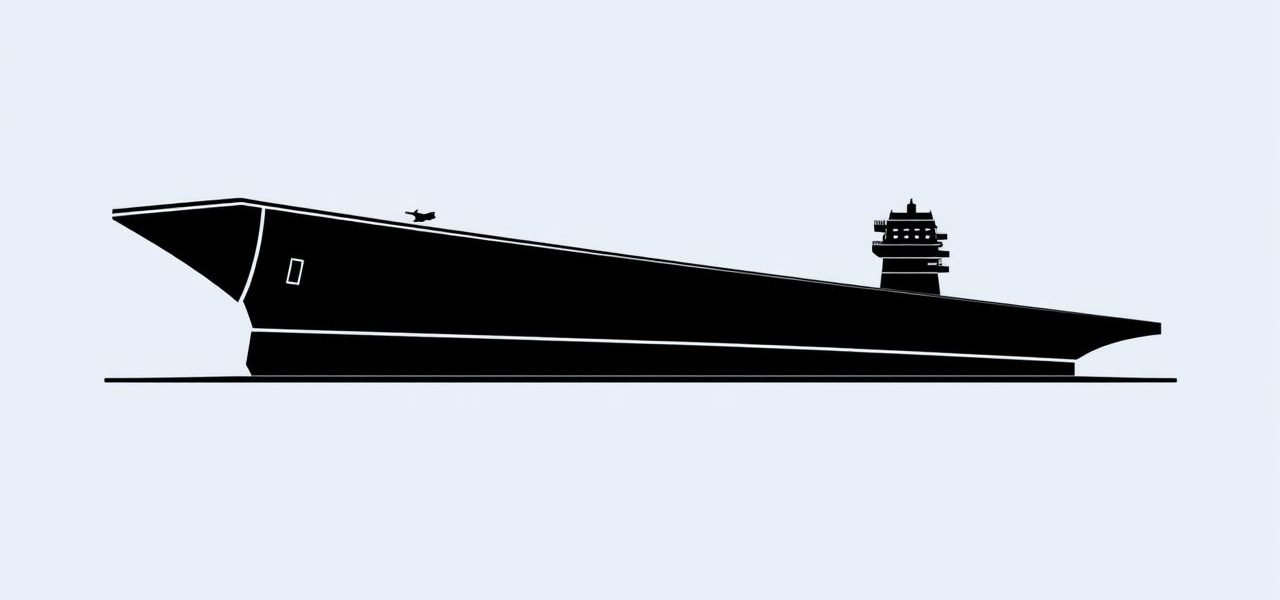
The USS Enterprise, designated CVN 65, stands as one of the most iconic vessels in the history of the United States Navy. As the world’s first nuclear-powered aircraft carrier, CVN 65 redefined naval operations by combining unmatched endurance with formidable firepower. Throughout its service, the Enterprise has played a pivotal role in multiple conflicts, humanitarian missions, and technological advancements, earning a distinguished place in naval history. Understanding the significance of CVN 65 requires exploring its design, operational history, and lasting legacy.
Design and Construction
The CVN 65 USS Enterprise was conceived during the Cold War as a means to project power globally without the limitations of conventional fuel. Construction began in 1958 at Newport News Shipbuilding, and the vessel was launched in 1960, entering active service in 1961. At over 1,100 feet in length and displacing approximately 93,000 tons fully loaded, the Enterprise was a marvel of engineering. Powered by eight nuclear reactors, it could operate for years without refueling, an unprecedented capability for an aircraft carrier of its time.
Innovative Features
CVN 65 incorporated numerous technological advancements that distinguished it from earlier carriers
- Eight nuclear reactors providing virtually unlimited operational range
- Angled flight deck for simultaneous launch and recovery of aircraft
- Advanced catapult and arresting gear systems for efficient air operations
- Enhanced radar and communication suites for improved situational awareness
- Reinforced hull and compartmentalization to increase survivability in combat
Operational History
Throughout its more than five decades of service, the USS Enterprise participated in numerous operations across the globe. From combat missions during the Vietnam War to humanitarian relief efforts, the ship demonstrated versatility and reliability unmatched by conventional carriers. Its nuclear power allowed for rapid deployment, supporting U.S. strategic objectives in times of crisis.
Vietnam War Engagement
The Enterprise played a significant role in the Vietnam War, conducting air strikes and supporting ground operations. Its aircraft carried out bombing missions, reconnaissance flights, and close air support, showcasing the strategic advantage of a nuclear-powered carrier capable of sustained operations without refueling.
Cold War Patrols and Deterrence
During the Cold War, CVN 65 conducted extended patrols in critical regions, including the Mediterranean and Atlantic Oceans. The carrier served as a powerful symbol of U.S. naval deterrence, capable of responding to threats anywhere in the world. Its presence contributed to maintaining stability during tense geopolitical situations.
Operations in the Middle East
The Enterprise was actively involved in the Gulf War and subsequent conflicts in the Middle East. Aircraft from CVN 65 executed precision strikes, enforced no-fly zones, and provided close air support for coalition forces. The ship’s rapid deployment capabilities and extensive flight deck operations proved crucial for sustained military campaigns.
Humanitarian Missions
Beyond combat, the USS Enterprise also participated in numerous humanitarian missions, demonstrating the Navy’s commitment to global aid and disaster relief. The carrier provided medical assistance, supplies, and logistical support in regions affected by natural disasters, such as hurricanes and earthquakes. Its large flight deck and onboard resources made it uniquely capable of delivering aid rapidly to affected areas.
Technological Upgrades
Over its decades of service, CVN 65 underwent multiple overhauls and technological upgrades to maintain operational readiness. Key improvements included
- Enhanced radar and sensor systems for modern threat detection
- Upgraded nuclear reactors and propulsion systems to extend service life
- Modernized flight deck equipment for new generations of aircraft
- Improved electronic warfare and communication capabilities
Life Onboard
Serving on the USS Enterprise offered sailors a unique experience due to the ship’s size, nuclear propulsion, and operational tempo. Crew members performed a wide range of duties, from aircraft handling to reactor maintenance, while living in compact quarters with shared facilities. The camaraderie and discipline required onboard fostered a strong sense of teamwork and pride among the crew, contributing to the ship’s reputation for excellence.
Aircraft Operations
The Enterprise could accommodate over 80 aircraft, including fighter jets, reconnaissance planes, and helicopters. Efficient flight deck operations required precise coordination among pilots, deck crews, and air traffic controllers. The ship’s nuclear power allowed extended flight operations without the limitations of fuel, enabling continuous air coverage during critical missions.
Decommissioning and Legacy
After more than 50 years of distinguished service, the USS Enterprise was officially decommissioned in 2017. Its retirement marked the end of an era for nuclear-powered carriers, but the ship’s legacy continues to influence naval design and strategy. Lessons learned from CVN 65’s construction, operations, and maintenance have informed the development of newer carriers, ensuring continued innovation and effectiveness in the U.S. Navy.
Impact on Naval Strategy
CVN 65 demonstrated the strategic value of nuclear-powered carriers in projecting power globally. Its ability to operate for extended periods without refueling changed how the Navy planned deployments, enhancing rapid response capabilities and global reach. The ship also influenced carrier group composition and the integration of advanced technologies in modern naval vessels.
Cultural Significance
The USS Enterprise holds a prominent place in popular culture and military history. Its name and reputation inspired generations of sailors and civilians alike. The carrier’s storied history, from combat operations to humanitarian missions, underscores the critical role of naval power in maintaining global stability and responding to crises.
The CVN 65 USS Enterprise remains one of the most remarkable ships in naval history. As the first nuclear-powered aircraft carrier, it set new standards for endurance, power projection, and technological advancement. Its service record spans major conflicts, humanitarian efforts, and decades of strategic presence worldwide. Beyond its technical achievements, the ship symbolizes the dedication, skill, and resilience of the men and women who served aboard her. The legacy of the USS Enterprise continues to inspire innovation in naval engineering and serves as a testament to the enduring impact of nuclear-powered aircraft carriers on global security and military strategy.