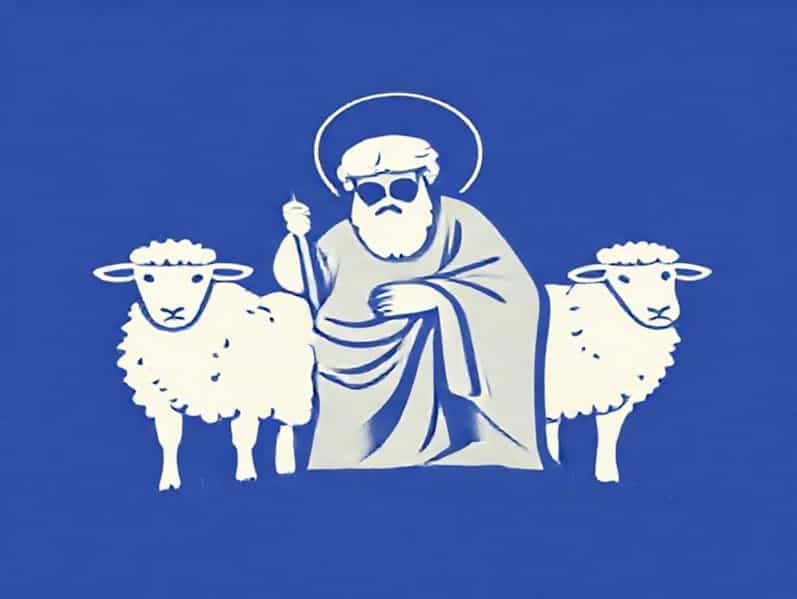
In the biblical story of David, one of the most significant and memorable details of his early life is that he tended the sheep. Before becoming a warrior, a poet, and eventually the King of Israel, David spent his youth as a humble shepherd in the hills of Bethlehem. His time caring for his father’s flock was not just a simple chore; it was a period of preparation that shaped his character, discipline, and faith. Understanding the meaning behind the phrase David tended the sheep reveals much about his personality, leadership qualities, and spiritual development.
The Role of a Shepherd in Ancient Times
In ancient Israel, tending sheep was one of the most common yet demanding occupations. Shepherds lived outdoors, moving from pasture to pasture in search of food and water for their flocks. They faced harsh weather, wild animals, and isolation. For young David, this role required both strength and courage. His responsibility for the sheep meant he had to stay alert at all times, ensuring no harm came to them.
The task also carried deep symbolic meaning in Hebrew culture. Shepherds were often seen as caretakers and protectors, mirroring God’s relationship with His people. This metaphor appears throughout the Bible, especially in the Psalms that David himself would later write, such as the famous line, The Lord is my shepherd. David’s daily experience of watching over sheep likely gave him a firsthand understanding of what it meant to guide and defend those under his care.
David’s Humble Beginnings
David’s story begins in the small town of Bethlehem, where he was the youngest son of Jesse. As the youngest, he was assigned to the fields while his older brothers took on more visible and prestigious roles. However, while others saw his job as insignificant, God saw potential. The phrase David tended the sheep becomes more than just a description of work it is a symbol of humility and faithfulness in small things.
Learning Responsibility
While tending the flock, David learned responsibility at an early age. Sheep required constant care; they wandered easily, got injured, and were vulnerable to predators. The shepherd had to know each animal individually, often calling them by name. This kind of attentive care prepared David for his later role as a leader of people. By faithfully performing his duties in solitude, he developed a sense of dedication and integrity that would define his kingship.
Facing Danger with Courage
The Bible records that David fought off both a lion and a bear while protecting his father’s sheep. These experiences not only demonstrated his bravery but also built his confidence and trust in God’s protection. When he later faced Goliath, David referenced these events as proof of God’s faithfulness. What he learned in the quiet fields directly prepared him for the public battles ahead.
The Spiritual Significance of Shepherding
Beyond the physical work, tending sheep carried deep spiritual lessons. The isolation of the pastures gave David time to reflect, pray, and build his relationship with God. Many of his Psalms are believed to have been inspired by those long hours watching the flock under the stars. His shepherd’s heart a balance of tenderness and strength became a reflection of divine leadership.
- PatienceShepherding required waiting, guiding, and nurturing. David learned that true leadership takes time and consistency.
- CompassionA good shepherd cared deeply for his flock, just as David would later care for his people.
- FaithLiving close to nature helped David see God’s hand in everything, from rain and sunshine to safety from wild animals.
This spiritual formation was crucial. Before David could rule a nation, he had to first rule himself. The pasture was his training ground, where he learned obedience and trust before being entrusted with greater responsibility.
From Shepherd to King
When the prophet Samuel visited Jesse’s family to anoint a new king, David was not even invited to the ceremony at first. He was still out tending the sheep. Yet God chose him over his older brothers because, as the Lord told Samuel, Man looks at the outward appearance, but the Lord looks at the heart. This moment highlights the importance of David’s humble service. While others overlooked him, his faithfulness in the field had already prepared his heart for leadership.
Leadership Rooted in Service
David’s years as a shepherd became the foundation of his leadership style. Unlike rulers who sought power for themselves, David viewed leadership as a form of service. Just as he once guided his sheep with care and vigilance, he later led his people with compassion and courage. The shepherd’s staff symbolized guidance and protection qualities that David carried into his reign.
The Shepherd King
Even after he became king, David never lost the imagery of the shepherd. This is evident in his writings and decisions as a ruler. The comparison of God to a shepherd in Psalm 23, which David authored, reflects his deep understanding of care, guidance, and provision. His early experience became a lifelong reminder that true strength comes from humility and faith.
Lessons from David Tending the Sheep
The story of David tending the sheep continues to offer powerful lessons for modern readers. It speaks about preparation, humility, and divine purpose. What may seem like an ordinary or insignificant task can, in fact, be training for something far greater. David’s faithfulness in small duties led to his greatness in larger responsibilities.
1. Small Beginnings Matter
David’s journey teaches that greatness often starts with small acts of diligence. The time he spent caring for sheep was not wasted it was preparation. In life, moments of obscurity are often the stages where character is built. By excelling in unnoticed work, one becomes ready for visible leadership.
2. Faith in Adversity
Facing lions and bears symbolized facing challenges that test faith. David did not run from danger but met it with courage and trust in God. This same faith later helped him overcome Goliath and lead Israel through wars and trials. His early victories in the fields gave him confidence for future battles.
3. God Values the Heart
When Samuel anointed David, God’s words reminded everyone that divine choice depends on inner character, not appearance or status. The fact that David was still tending the sheep at that moment shows his humility and obedience. His heart for service made him a man after God’s own heart.
4. Leadership Through Compassion
As a shepherd, David learned to care deeply for each sheep. This compassion translated into his leadership as king. True leaders do not dominate but guide, protect, and nurture those under their care just as David did for both sheep and people.
The Broader Symbolism of Shepherding
The image of David tending sheep resonates throughout scripture and culture. It not only shaped Israel’s understanding of kingship but also laid the groundwork for later religious imagery. The idea of a shepherd-king finds its ultimate fulfillment in the concept of divine care, where leadership and love coexist. David’s story foreshadows the theme of selfless guidance, echoing through time as a model for both spiritual and earthly leadership.
David tended the sheep is a phrase that captures the essence of humble beginnings leading to divine destiny. It represents more than an occupation; it symbolizes preparation, character, and faith in action. Through his years as a shepherd, David learned to trust God, face adversity, and care for others. Those lessons became the foundation of his reign and his lasting legacy as one of history’s greatest leaders. The quiet hills of Bethlehem were not just a backdrop to his youth they were the classroom where the shepherd boy learned to become a king.