Diastasis of the rectus abdominis musculature is a condition that affects the abdominal wall, particularly the separation of the rectus abdominis muscles along the midline. This condition is commonly seen in pregnant and postpartum women, but it can also occur in men and non-pregnant women due to factors like obesity, rapid weight gain, or certain types of physical strain. The separation occurs when the connective tissue called the linea alba, which holds the two sides of the rectus abdominis together, stretches beyond its normal capacity. Many people may notice a bulging or doming along the midline of their abdomen, especially when performing activities like sitting up or lifting objects. Understanding the causes, symptoms, and treatment options for this condition is important for maintaining core strength, improving posture, and preventing long-term complications.
Understanding Diastasis of the Rectus Abdominis
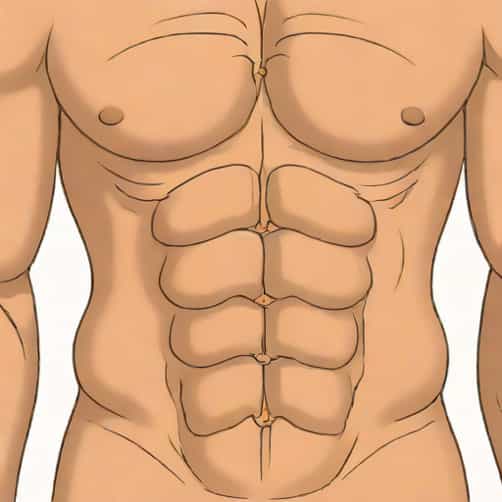
The rectus abdominis muscles, often referred to as the six-pack muscles, run vertically along the front of the abdomen. These muscles are separated by the linea alba, a band of connective tissue that allows the muscles to function together while providing flexibility. Diastasis of the rectus abdominis occurs when the linea alba becomes stretched or weakened, causing the two muscles to drift apart. This separation can vary in severity, from a small gap that may not be noticeable to a more pronounced separation that affects core stability and appearance.
Causes of Diastasis Recti
Several factors can contribute to the development of diastasis recti
- PregnancyDuring pregnancy, the growing uterus stretches the abdominal muscles, and hormonal changes cause the connective tissue to become more pliable, increasing the risk of separation.
- ObesityExcess abdominal weight can put pressure on the abdominal wall, weakening the linea alba over time.
- Rapid Weight Gain or LossQuick changes in body size can strain the abdominal muscles and connective tissue, making separation more likely.
- GeneticsSome people have a natural predisposition to weaker connective tissue, which can increase susceptibility to diastasis.
- Heavy Lifting or StrainIntense core exercises or improper lifting techniques can put pressure on the midline, exacerbating the separation.
Symptoms to Recognize
Diastasis of the rectus abdominis can present with a range of signs. One of the most common symptoms is a visible bulge or ridge running down the middle of the abdomen, especially noticeable when the person contracts their abdominal muscles. Other symptoms include
- Lower back pain due to weakened core support
- Poor posture or a protruding belly
- Difficulty performing certain movements or exercises
- Digestive issues such as bloating or constipation in some cases
It is important to note that mild cases may not cause significant discomfort, but they can progress over time if left unaddressed.
Diagnosis and Assessment
Healthcare providers usually diagnose diastasis recti through a physical examination. During the assessment, the patient may be asked to lie on their back and lift their head slightly, engaging the abdominal muscles. The clinician measures the gap between the rectus abdominis muscles, often using finger width as a simple indicator or imaging techniques like ultrasound for more precision. Accurate diagnosis is important to determine the severity of the condition and to guide treatment options.
Non-Surgical Management
For mild to moderate cases of diastasis recti, conservative management is usually recommended. This includes targeted exercises that strengthen the deep abdominal muscles without increasing pressure on the linea alba. Some of these exercises include
- Transverse abdominis activation techniques
- Pelvic tilts and gentle core strengthening routines
- Postural adjustments to support abdominal alignment
Additionally, lifestyle modifications such as avoiding heavy lifting, maintaining a healthy weight, and using supportive garments can help reduce strain on the abdominal wall. Physical therapy is often highly effective, helping patients regain core strength and improve functional movement patterns.
Surgical Options
In more severe cases where conservative measures do not produce satisfactory results, surgery may be considered. Surgical repair, often called abdominoplasty or tummy tuck in cosmetic terms, involves suturing the separated muscles back together and tightening the linea alba. This procedure not only improves the appearance of the abdomen but also restores functional core stability. Recovery involves careful post-operative care, including avoiding strenuous activities for several weeks and following prescribed exercises to strengthen the core safely.
Prevention and Long-Term Care
Preventing diastasis recti focuses on maintaining strong and flexible abdominal muscles and avoiding excessive strain. During pregnancy, techniques like proper posture, gentle core engagement, and avoiding heavy lifting can reduce the risk of severe separation. Postpartum rehabilitation should include gradual strengthening exercises that target the transverse abdominis and pelvic floor muscles. Regular physical activity and a balanced diet can also support connective tissue health and overall muscle function.
Importance of Early Intervention
Early recognition and management of diastasis of the rectus abdominis are crucial to prevent complications. Untreated diastasis can contribute to chronic back pain, hernias, and reduced physical function. Seeking guidance from healthcare professionals, including physiotherapists or specialized fitness trainers, can make a significant difference in recovery and long-term core health. Consistent, gentle strengthening exercises are often sufficient to improve both the physical appearance and functional integrity of the abdominal wall.
Diastasis of the rectus abdominis musculature is a common condition, especially among postpartum women, but it can affect anyone exposed to risk factors like obesity, rapid weight changes, or abdominal strain. Understanding the causes, recognizing the symptoms, and seeking appropriate management are essential steps in maintaining a strong and functional core. While mild cases may improve with targeted exercises and lifestyle adjustments, more severe separations may require surgical intervention. With early attention and consistent care, individuals can effectively restore abdominal strength, enhance posture, and reduce discomfort, ultimately improving both physical health and quality of life.
This topic is structured for SEO with repeated use of the key phrase diastasis of the rectus abdominis and related terms like diastasis recti, abdominal muscles, linea alba, and core strength. It is written in plain English for general readers and formatted with `
`, `
`, `
`, and `
- ` tags.