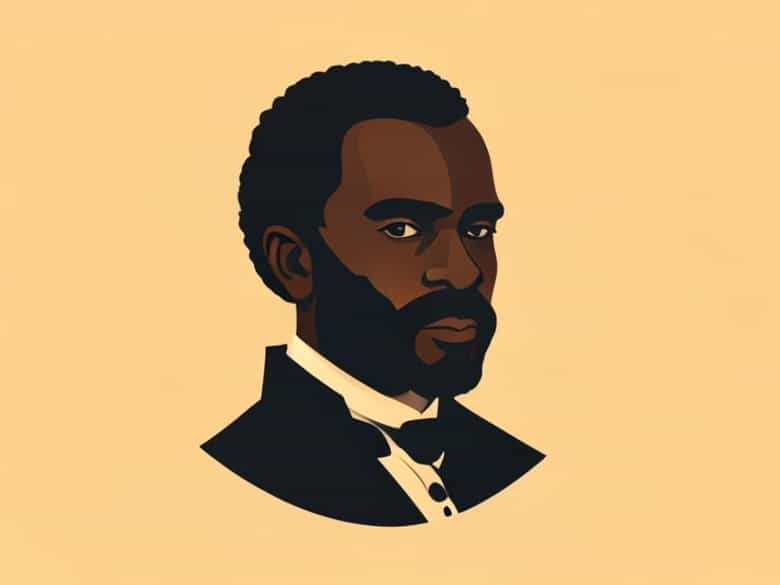
Crispus Attucks is remembered today as an important figure in American history, especially for his role in the Boston Massacre, where he became one of the first casualties of the American Revolution. His story is often discussed in classrooms, historical writings, and cultural conversations about the early United States. Yet despite his significance, many details of his personal life remain unclear. One of the most frequent questions people ask is whether Crispus Attucks had a child. Exploring this topic requires understanding the documentary gaps of the 18th century, the challenges of tracing records for people of African and Indigenous heritage during that era, and the historical context that shaped his life.
Understanding Who Crispus Attucks Was
Crispus Attucks was born around 1723 in Massachusetts. He was of mixed African and Native American descent, believed to be the son of an enslaved African man and a Native American woman from the Wampanoag tribe. Attucks spent part of his life enslaved, though he later escaped and worked as a sailor and laborer. His occupations meant he traveled frequently, and this mobility is one reason why historians have limited documentation about his private life.
He became widely known after the Boston Massacre in 1770, where he was killed during a confrontation between colonists and British soldiers. His death was later used as a symbol of resistance, making him one of the earliest martyrs of the American Revolution.
Did Crispus Attucks Have a Child?
The most straightforward answer is that there is no confirmed historical evidence that Crispus Attucks had a child. Historians have examined available documents, including court records, property records, newspapers, and personal accounts from the time. None of these sources provide reliable proof that he fathered children.
This does not necessarily mean he never had a child; it only means there is no documented confirmation. Due to the social conditions of the time, children of African, Indigenous, or mixed ancestry were often not recorded in official records. Additionally, Attucks led a life that made long-term family ties difficult to trace, especially given his career as a sailor.
Why Records About His Family Are Scarce
Lack of Documentation for Enslaved or Mixed-Heritage Individuals
During the 1700s, the lives of many enslaved or partly enslaved people went undocumented. Their births, marriages, and children were rarely included in government registries. In some cases, only the names of slave owners appeared in official documents, while personal details about enslaved individuals were left out entirely.
Because Crispus Attucks was born into a system where records were incomplete or biased, many aspects of his life simply remained unrecorded.
Mobility and the Life of a Sailor
Attucks worked in maritime trades, likely serving on whaling ships, merchant vessels, and coastal transports. Sailors of that period were highly mobile and often spent months at sea. This lifestyle made stable family life unusual. Even when sailors had families, documentation was minimal unless they owned property or left behind legal records such as wills.
Historical Disruptions and Lost Records
Many colonial-era documents have been lost due to war, fire, poor preservation, or simple neglect. This has made piecing together the personal history of many 18th-century figures difficult, especially those from marginalized backgrounds.
Theories and Myths About Crispus Attucks’s Descendants
Over time, stories and claims have circulated suggesting that Attucks may have had children or extended family. These claims usually come from oral histories rather than documented evidence. Oral histories can be meaningful, especially in communities where formal records were denied or inaccessible, but they are not always verifiable.
Common Claims Surrounding His Possible Descendants
- Some families in New England have claimed descent from him based on generational storytelling.
- A few authors have speculated that Attucks may have had relatives within the Wampanoag community.
- There are occasional references in local historical societies to unnamed family members, though none are documented.
These theories add depth to the cultural memory of Attucks, but they cannot be confirmed through existing records. Historians generally describe his lineage as unknown.
The Importance of Asking Whether He Had a Child
People often ask this question out of curiosity or a desire to connect personally with historical figures. Knowing whether such an influential person had a family helps humanize him beyond the symbolic identity he carries in history books. This interest also reflects a larger desire to understand the personal lives of people of color whose histories were not fully recorded.
Furthermore, exploring whether Crispus Attucks had children highlights broader issues about representation and documentation in early American history. It invites discussions about how many important lives were only partially preserved due to social inequality.
What We Do Know About His Family Background
While nothing is confirmed about his children, historians have more information about his parents and siblings.
His Parents
- His father is believed to have been an enslaved African man owned by Colonel Buckminster.
- His mother is believed to have been a Native American woman named Nancy Attuck from the Natick or Wampanoag community.
Attucks inherited his mother’s surname, as was common among Indigenous communities. This mixed heritage placed him in a unique social position during colonial times, neither fully free nor fully enslaved in all contexts.
His Siblings
There are references to possible siblings based on colonial records, but like many aspects of his personal history, these details are not confirmed. Some documents mention individuals with similar surnames in the Natick area, suggesting he may have been part of a larger extended family.
Life Circumstances That Affected His Family Prospects
It is important to remember that Crispus Attucks lived in a time when personal freedom was not guaranteed for people of African or Indigenous descent. This reality impacted relationships, mobility, and the ability to maintain long-term family ties.
Social Restrictions
Colonial laws often restricted marriage between enslaved or partially free individuals. Even when relationships existed, they were rarely recognized legally, and parents could be separated from children due to sale, escape, or relocation.
Economic Pressures
As a sailor and laborer, Attucks may have prioritized earning a living and staying mobile over establishing a permanent settlement. The maritime economy of the time relied heavily on workers who moved from port to port. Family life was difficult under these conditions.
Why the Mystery Continues
The question remains unanswered largely because no surviving document records Crispus Attucks as a parent. And until new evidence emerges-such as a discovered journal, church registry, or private letter-the topic will remain open to interpretation.
Historical research continues to evolve. New digital archives, DNA studies, and restored documents occasionally reveal unknown information about early American figures. While it is unlikely that definitive proof about Attucks’s children will appear, historical surprises are always possible.
Although Crispus Attucks is a well-known figure in American history, there is no verified evidence that he had a child. This uncertainty stems from limited documentation, the challenges faced by people of mixed African and Indigenous heritage in colonial America, and the scarcity of records for mobile workers like sailors. The question continues to draw interest because it connects to broader discussions about identity, representation, and the way history is preserved. Whether or not he had descendants, Crispus Attucks’s legacy endures through his symbolic role in the struggle for American independence and his place in the nation’s cultural memory.