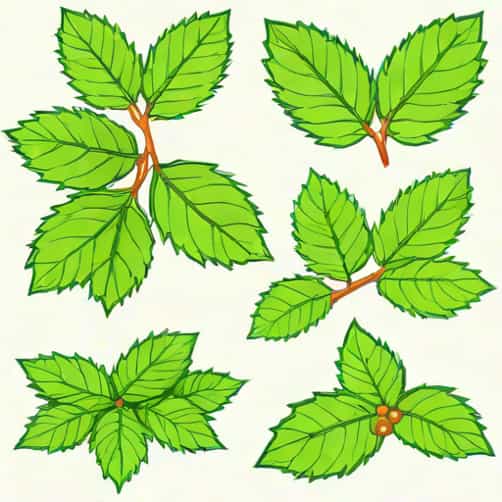
Mint is a widely used herb in cooking, beverages, and even medicinal applications. Among the many varieties of mint, wintergreen and spearmint are two popular types that often cause confusion due to their aromatic qualities and similar uses. Despite their superficial similarities, wintergreen and spearmint have distinct chemical compositions, flavor profiles, and applications, making it important to understand the differences between them. From culinary uses to health benefits, knowing how to differentiate wintergreen and spearmint can enhance your cooking, beverage preparation, and even oral care routines.
Chemical Composition
One of the main differences between wintergreen and spearmint lies in their chemical makeup. Wintergreen contains methyl salicylate as its primary compound. This chemical is responsible for the strong, sweet, and slightly medicinal aroma and flavor associated with wintergreen. Methyl salicylate is also used in topical pain relievers due to its anti-inflammatory properties. On the other hand, spearmint contains carvone as its dominant compound. Carvone gives spearmint its cool, sweet, and refreshing taste, which is milder compared to the intense flavor of wintergreen.
Flavor Profile
The flavor differences between wintergreen and spearmint are noticeable even to casual consumers. Wintergreen has a strong, sweet, and slightly medicinal taste that can overpower other flavors in recipes if used in excess. It is often described as having a distinctive menthol-like flavor, though it is chemically different from actual menthol found in peppermint. Spearmint, by contrast, has a lighter, sweeter, and more refreshing taste, making it ideal for culinary applications such as salads, desserts, teas, and cocktails. Its flavor is subtle enough to blend harmoniously with other ingredients.
Culinary Uses
Both wintergreen and spearmint are used in culinary applications, but their differences in taste determine how they are best employed. Wintergreen is commonly used in candies, gums, and beverages where a strong minty flavor is desired. It is less commonly used in fresh culinary dishes because its intense flavor can be overpowering. Spearmint, however, is highly versatile in cooking. It is often added to salads, lamb dishes, fruit-based desserts, smoothies, and teas. Its milder and sweeter taste allows it to complement other ingredients without dominating the dish.
Popular Recipes
- Wintergreen wintergreen candy, gum, flavored syrups, and some medicinal teas.
- Spearmint mojitos, mint juleps, tabbouleh, mint chocolate desserts, and herbal teas.
Medicinal and Health Applications
Both wintergreen and spearmint have been used for their health benefits, but their applications differ due to their chemical compositions. Wintergreen, with its high methyl salicylate content, is often used in topical creams and oils to relieve muscle pain, joint pain, and inflammation. It should be used with caution, as excessive ingestion of wintergreen oil can be toxic. Spearmint, on the other hand, is widely used for digestive health, oral care, and general wellness. Spearmint tea is known to aid digestion, reduce bloating, and provide a calming effect. Spearmint is also used in toothpaste and mouthwash for its refreshing flavor and antibacterial properties.
Safety Considerations
Understanding the safety considerations of wintergreen and spearmint is essential. Wintergreen oil is highly concentrated, and consuming even small amounts of pure wintergreen oil can be toxic, especially for children. It should always be diluted and used as recommended. Spearmint, in comparison, is generally safe for consumption in culinary amounts, teas, and essential oils, though concentrated extracts should still be used with caution. Individuals with allergies or sensitivities should always test new mint products carefully.
Growing and Harvesting
Wintergreen and spearmint also differ in their cultivation. Wintergreen, scientifically known as Gaultheria procumbens, is a low-growing evergreen plant native to North America. It prefers acidic, well-drained soils and partial shade. Spearmint, or Mentha spicata, is a fast-growing perennial herb that thrives in moist, fertile soils and full sunlight. Spearmint spreads quickly and can become invasive in gardens if not controlled. Both plants are harvested for their leaves, which contain the essential oils responsible for their flavors and medicinal properties.
Commercial Uses
In addition to culinary and medicinal applications, wintergreen and spearmint are used in various commercial products. Wintergreen is commonly found in flavored candies, gums, toothpaste, and topical pain-relief products. Its strong, distinctive aroma makes it ideal for products that require a pronounced minty flavor. Spearmint is used extensively in chewing gum, toothpaste, mouthwash, beverages, and culinary extracts. Its versatility and milder flavor make it a favorite for everyday products that require a refreshing minty taste.
Environmental and Cultural Importance
Both plants have cultural significance and ecological roles. Wintergreen has historical uses among Native American tribes for medicinal and ceremonial purposes. Spearmint has a long history in European and Middle Eastern cuisines and herbal medicine. Cultivating these plants also contributes to garden biodiversity, attracting pollinators such as bees and butterflies. Understanding the origins and cultural importance of wintergreen and spearmint adds depth to their practical applications.
While wintergreen and spearmint may appear similar at first glance, they differ significantly in chemical composition, flavor, culinary uses, medicinal applications, safety, and cultivation. Wintergreen, with its strong methyl salicylate content, is more intense, slightly medicinal, and often used in candies, gums, and pain-relief products. Spearmint, containing carvone, offers a milder, sweeter flavor ideal for cooking, beverages, and general wellness. By understanding these differences, individuals can make informed choices about which mint to use for specific culinary, medicinal, or commercial purposes. Appreciating the unique characteristics of wintergreen and spearmint enhances both the practical and sensory experience of using these versatile herbs.