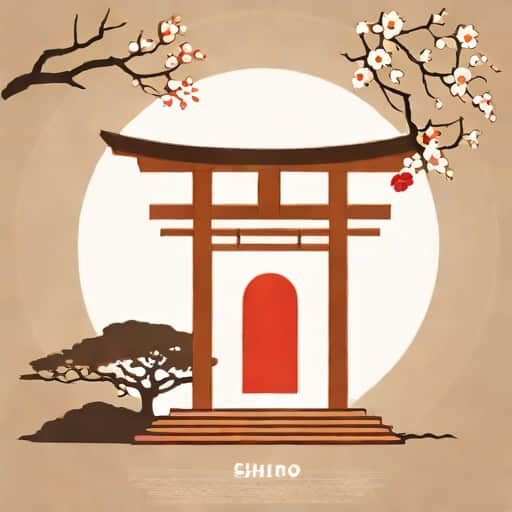
Shinto is the indigenous religion of Japan, rooted in centuries of cultural tradition, ritual practice, and reverence for nature. One common question that arises when exploring Shinto is whether its followers believe in God in the way that Western religions often define the term. Unlike monotheistic faiths such as Christianity, Islam, or Judaism, Shinto does not center around a single omnipotent deity who created the universe or governs human destiny. Instead, it emphasizes reverence for kami, which are spirits or divine presences found in natural objects, landscapes, ancestors, and sacred phenomena. Understanding Shinto’s perspective on divinity requires exploring the concept of kami, ritual practices, historical development, and the spiritual worldview that informs everyday life in Japan. Shinto belief highlights harmony, respect, and the interconnectedness of all things rather than adherence to a singular God.
Understanding Kami in Shinto
The central concept of Shinto is kami, often translated as gods, spirits, or divine beings, though none of these translations fully capture the nuance of the term. Kami are not necessarily omnipotent or personal in the way the God of monotheistic religions is understood. They can inhabit natural elements such as mountains, rivers, trees, or celestial bodies, and they may also be ancestral spirits or manifestations of particular phenomena. Kami are often associated with purity, protection, and guidance, and they influence human life indirectly through their presence and the harmony of the environment.
Types of Kami
Shinto recognizes a vast array of kami, reflecting the religion’s inclusive and animistic nature. Some kami are associated with natural forces, such as Amaterasu, the sun goddess and one of the most revered kami, while others may be linked to family ancestors or historical figures who achieved spiritual significance. Unlike the Western concept of a single God, Shinto embraces a multiplicity of divine presences, emphasizing that divinity is immanent in the world rather than transcendent above it.
Role of Kami in Daily Life
Believers in Shinto interact with kami through rituals, prayers, and offerings. Shrines, called jinja, serve as sacred spaces where individuals can honor kami, seek guidance, or express gratitude. Festivals, purification ceremonies, and seasonal rituals also maintain harmony between humans and the spiritual world. This active engagement demonstrates that Shinto devotion focuses on awareness, respect, and alignment with divine forces rather than doctrinal belief in a single God.
Shinto and the Concept of God
When asked whether Shinto adherents believe in God, it is important to note that Shinto’s concept of divinity differs fundamentally from monotheistic traditions. There is no central figure like the God of Christianity or Islam who creates, judges, or controls the fate of humans. Instead, Shinto’s spiritual focus is on living harmoniously with the kami, recognizing their presence in nature, society, and personal ancestry. Shinto spirituality is practical and relational, emphasizing reverence and ritual participation rather than abstract theological belief.
Immanence vs. Transcendence
Shinto kami are generally immanent, meaning they dwell within the world and its natural elements. This contrasts with the transcendent God of Western monotheism, who exists beyond and independent of creation. The immanent nature of kami reinforces a worldview where spiritual significance is embedded in everyday life, including nature, social practices, and personal conduct. This worldview encourages mindfulness, gratitude, and respect for the environment and community.
Shinto and Monotheism
Shinto is not monotheistic, and it does not attempt to answer questions about creation in the same way as Western religions. Instead of focusing on theological doctrine, it emphasizes ritual practice, moral harmony, and respect for the spiritual forces that inhabit the world. While Shinto can coexist with other religious beliefs, including Buddhism and even Christianity in some cases, its primary concern is maintaining balance between humans and the spiritual environment.
Shinto Practices and Belief in Divine Presence
Shinto practice centers on rituals, offerings, and ceremonies that honor the kami. These activities reinforce a sense of connection between humans and the spiritual forces present in nature and society. Shinto shrines are sites of prayer, purification, and festival celebration, reflecting the belief that divine presence is ongoing and accessible through respectful engagement. While these practices imply recognition of spiritual power, they do not necessitate belief in a personal, all-powerful God.
- Purification RitualsCleansing ceremonies, such as misogi, emphasize the importance of purity in maintaining harmony with the kami.
- Seasonal FestivalsMatsuri celebrate seasonal changes, agricultural cycles, and local kami, fostering community cohesion and spiritual awareness.
- Offerings and PrayersFood, symbolic items, and personal prayers demonstrate respect and gratitude toward the kami.
- Ancestral VenerationHonoring ancestors reflects the belief that spirits continue to influence and guide the living.
- Daily AwarenessShinto encourages mindfulness of spiritual forces in everyday life, cultivating ethical behavior and appreciation of nature.
Shinto and Philosophical Considerations
Philosophically, Shinto can be understood as a form of animism or spiritual naturalism. It does not posit a singular, omnipotent God but recognizes a network of spiritual presences that guide, protect, and influence the world. This perspective aligns with a holistic view of life, where humans, nature, and spiritual forces exist in mutual interdependence. Ethical behavior, ritual practice, and social harmony are all ways of respecting and acknowledging these forces.
Interconnectedness and Moral Guidance
Shinto’s focus on interconnectedness serves as an ethical framework, guiding believers to respect the environment, honor traditions, and cultivate community values. While there is no divine lawgiver, the moral and spiritual lessons emerge from understanding the presence and influence of kami. This practical approach reinforces behavior that is harmonious with both society and nature.
Coexistence with Other Religions
Shinto has historically coexisted with Buddhism in Japan, leading to syncretic practices that blend ritual, ethical guidance, and spiritual understanding. The absence of a singular God makes Shinto flexible, allowing followers to integrate other religious perspectives while maintaining the central focus on kami and natural harmony. This pluralistic approach further illustrates that belief in a single God is not essential to Shinto spirituality.
Do Shinto followers believe in God? The answer depends on how one defines God. Shinto does not embrace a singular, omnipotent, personal God as understood in Western monotheistic religions. Instead, it emphasizes reverence for kami, spiritual presences found in nature, ancestors, and sacred phenomena. Shinto belief is relational, ritualistic, and focused on harmony with the spiritual and natural world rather than on doctrinal adherence to a personal deity. Through purification, offerings, festivals, and ancestral veneration, Shinto followers cultivate awareness, gratitude, and ethical behavior. Understanding Shinto requires moving beyond Western definitions of God to appreciate a worldview where divinity is immanent, plural, and integrated into everyday life. This unique perspective highlights spirituality as a lived experience, demonstrating that belief in a singular God is not necessary for a deeply meaningful and ethically guided religious practice.