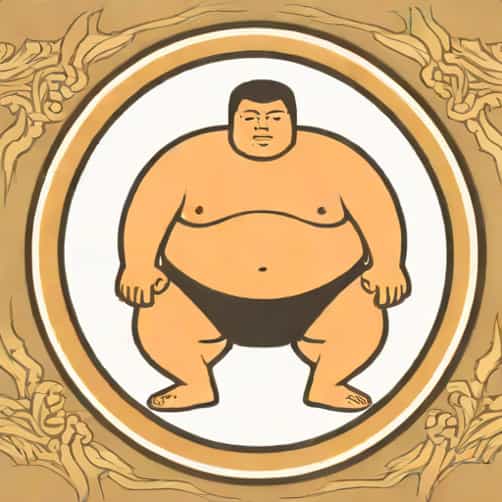
Sumo wrestling, one of Japan’s oldest and most revered sports, is a discipline that demands incredible strength, discipline, and mass. Yet, behind the ceremonial beauty and cultural significance of this ancient sport lies a sobering question-do sumo wrestlers die young? Many fans and researchers have wondered whether the intense physical demands, dietary habits, and lifestyle of professional sumo wrestlers shorten their lifespan. To understand this issue, it’s important to look at the life of a sumo wrestler both inside and outside the ring, from their training routines to their post-retirement health.
The Lifestyle of a Sumo Wrestler
Sumo wrestlers, or rikishi, live a highly regulated and disciplined lifestyle centered around their sport. From early morning training to strict eating habits, every aspect of their daily life is designed to maximize performance and weight. However, this same lifestyle that helps them excel in competition can also take a toll on their long-term health.
Training and Daily Routine
A typical sumo wrestler starts his day around 5 a.m. with intense training sessions that include stretching, sparring, balance exercises, and practice matches. These workouts can last for several hours and are physically exhausting, requiring immense stamina and power. Despite the rigorous training, many wrestlers still carry large amounts of body fat due to their unique diet and lifestyle, which is part of what makes them formidable opponents in the ring.
The Famous Sumo Diet
The sumo diet revolves around a calorie-dense dish known aschanko-nabe, a hot pot filled with meat, vegetables, tofu, and noodles. Wrestlers typically eat massive portions of this meal twice a day, followed by naps to help their bodies store energy as fat. While the food itself is healthy in moderation, the portion sizes and sleeping immediately after eating contribute to excessive weight gain. Many wrestlers consume between 5,000 and 7,000 calories daily-more than double the recommended intake for an average adult male.
The Health Risks Associated with Sumo Wrestling
While sumo wrestlers are highly trained athletes, the sport’s physical requirements put enormous strain on the body. The combination of obesity, physical collisions, and sedentary recovery periods increases the risk of several chronic conditions that can lead to a shorter lifespan.
Cardiovascular Problems
One of the most common health issues faced by sumo wrestlers is cardiovascular disease. The massive body weight increases the heart’s workload, leading to higher risks of hypertension, atherosclerosis, and heart failure. Even though they train regularly, the excess fat stored in their bodies can counteract the benefits of physical activity by causing inflammation and metabolic imbalance.
Diabetes and Metabolic Syndrome
Many active and retired wrestlers suffer from insulin resistance and type 2 diabetes. The continuous cycle of overeating, followed by minimal movement after meals, disrupts normal glucose metabolism. Sumo wrestlers are known to maintain high insulin levels to prevent fat breakdown during their active careers, but after retirement, this condition often leads to rapid fat accumulation and metabolic disease.
Joint and Skeletal Strain
The intense physical strain on their knees, hips, and lower back from carrying extreme weight leads to chronic pain and osteoarthritis. Years of training and body collisions can wear down cartilage and joints, making mobility difficult later in life. This physical toll is one of the primary reasons retired wrestlers face significant health challenges as they age.
Do Sumo Wrestlers Really Die Young?
Studies have shown that sumo wrestlers often have shorter lifespans than the general population. On average, their life expectancy is estimated to be between 60 and 65 years, compared to the Japanese national average of around 81 years. This difference highlights the long-term health risks associated with maintaining such a large body mass for athletic purposes.
While many wrestlers remain healthy during their active years, their health often deteriorates rapidly after retirement. Once they stop training and competing, the decrease in physical activity combined with years of metabolic strain can lead to severe cardiovascular and metabolic diseases.
Post-Retirement Health Challenges
After retiring, many wrestlers attempt to lose weight and transition to a more balanced lifestyle. However, shedding the weight accumulated over years of training is extremely difficult. Former rikishi who fail to manage their diet and exercise often face early-onset heart problems, diabetes, and liver disease. The sudden reduction in physical exertion also slows metabolism, making it harder for the body to adapt to new habits.
Examples from the Sumo World
There have been several high-profile cases of sumo wrestlers suffering from health problems related to their size and lifestyle. Some have passed away at a relatively young age due to heart attacks or complications of diabetes. Others have successfully transformed their health through weight loss after retirement, showing that the risks can be managed with careful lifestyle changes.
For example, certain retired wrestlers have become advocates for health awareness, sharing their personal stories of recovery and the dangers of maintaining excessive weight for too long. Their experiences underscore the importance of proactive health management for athletes in weight-based sports.
Comparing Active and Retired Wrestlers
During their active years, sumo wrestlers undergo medical check-ups to monitor their blood pressure, cholesterol, and organ function. This level of medical oversight helps them avoid immediate health crises. However, once they leave the sport, many no longer receive regular medical support, increasing the risk of undetected health issues. This contrast between active and post-retirement lifestyles explains why many health complications appear later in life.
Modern Changes in Sumo Health Awareness
In recent years, there has been a shift within the sumo community to promote better health practices. Training schools and sumo associations now encourage more balanced diets, regular medical monitoring, and controlled weight gain. Some wrestlers are also incorporating modern fitness and recovery techniques, such as swimming, stretching, and resistance training, to reduce the strain on their joints and cardiovascular system.
Additionally, awareness campaigns and media discussions have drawn attention to the health consequences of extreme weight gain, pushing the sumo world toward a more sustainable approach to athletic performance.
Efforts Toward Longevity
- Introducing nutrition education to balance calorie intake with nutrient needs.
- Encouraging active recovery techniques and cardiovascular exercises.
- Implementing regular medical screenings for metabolic and heart-related issues.
- Supporting post-retirement health programs to help former wrestlers transition to new lifestyles.
Life After Sumo Finding Balance
For many retired wrestlers, adapting to life after sumo is both a physical and emotional journey. Some open restaurants, become trainers, or appear in media, while others take the opportunity to focus on personal health. Those who successfully lose weight and maintain balanced habits often experience dramatic improvements in energy, mobility, and longevity. The process, however, requires discipline and continuous effort, much like their training years.
Weight loss after retirement is not just about appearance but survival. Former sumo wrestlers who maintain excess weight face a higher likelihood of developing heart disease or diabetes, which contributes to the perception that sumo wrestlers die young. However, those who prioritize health adjustments early tend to live longer, healthier lives.
So, do sumo wrestlers die young? The answer is nuanced. While the demanding lifestyle and dietary habits of professional sumo wrestling can lead to health issues and reduced life expectancy, it is not an inevitable outcome. The risks are real, but they can be mitigated through modern awareness, medical care, and lifestyle changes. Sumo wrestlers dedicate their lives to mastering one of Japan’s most prestigious traditions, and with growing emphasis on health, future generations of rikishi may be able to balance the glory of their sport with a longer, healthier life beyond the ring.