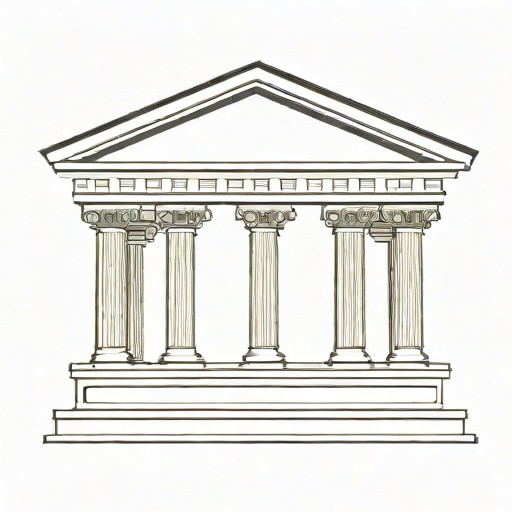
The Eastern Pediment of the Temple of Zeus at Olympia is one of the most remarkable examples of ancient Greek art and architecture, showcasing the skill, creativity, and religious devotion of classical Greek society. This pediment, part of the grand Temple of Zeus, was constructed in the 5th century BCE and is considered a masterpiece of the High Classical period. The temple itself served as a sacred site dedicated to Zeus, the king of the Greek gods, and was central to the religious and cultural life of Olympia, which also hosted the original Olympic Games. The Eastern Pediment represents a complex narrative in sculptural form, depicting the mythological story of the chariot race between Pelops and Oenomaus, and illustrates the sophistication of Greek sculptors in combining artistic expression with storytelling.
Historical Context and Construction
The Temple of Zeus at Olympia was constructed between 470 and 456 BCE during the height of classical Greek architecture. It was built in the Doric order, which emphasized simplicity, strength, and proportion, but the sculptural decorations of the pediments introduced a rich narrative and emotional depth. The Eastern Pediment was created to crown the temple’s façade and capture the attention of visitors approaching from the sanctuary. The project involved some of the most skilled sculptors of the time, who worked with local limestone and marble to create the intricate figures that fill the triangular space. The pediment not only served a decorative function but also reinforced the religious and cultural significance of the temple.
The Myth of Pelops and Oenomaus
The Eastern Pediment depicts the legendary chariot race between Pelops, a mortal hero, and King Oenomaus of Pisa. According to myth, Oenomaus had challenged suitors of his daughter Hippodamia to a race, and those who lost would be killed. Pelops, aided by divine intervention, ultimately won the race and married Hippodamia, symbolizing human ingenuity, divine favor, and the triumph of heroism. The sculptural group on the pediment captures key moments of this dramatic story, including the tension of the race, the figures’ dynamic movement, and the emotional expressions of the characters involved. This narrative choice demonstrates how Greek sculptors used mythology to convey moral, religious, and social messages through art.
Artistic Style and Composition
The Eastern Pediment exhibits the high classical style of Greek sculpture, characterized by balanced proportions, naturalistic anatomy, and dynamic movement. The figures are arranged to fit the triangular shape of the pediment, with central figures often reclining or standing prominently while others are positioned at angles to guide the viewer’s eye across the scene. The composition creates a sense of depth, tension, and narrative clarity despite the constraints of the pediment’s geometry. Sculptors paid meticulous attention to details such as drapery, musculature, and facial expressions, bringing the mythological story to life in a visually compelling way.
Central Figures and Key Characters
At the center of the Eastern Pediment are the chariots and horses of Pelops and Oenomaus, capturing the intensity of the race. The figures of Pelops and Hippodamia are carefully positioned to highlight their heroic and virtuous qualities, while Oenomaus and other attendants provide contrast and drama. Gods and divine figures may also be included to indicate the role of fate and divine intervention in the story. Each figure is crafted to balance realism with idealized beauty, reflecting the Greek belief in harmony between human achievement and divine order. The interplay of motion, expression, and spatial arrangement showcases the sculptors’ mastery in creating a cohesive and powerful narrative tableau.
Symbolism and Cultural Significance
The Eastern Pediment is more than a decorative element; it carries deep symbolic meaning for the Greeks of Olympia. The story of Pelops and Oenomaus represents human courage, competition, and the favor of the gods, values that resonated strongly in a society that celebrated athletic excellence and moral virtue. The temple, and by extension its pediments, functioned as a religious focal point, reminding visitors of the presence of Zeus and the moral and spiritual lessons embedded in myth. Additionally, the Eastern Pediment reinforced the cultural identity of Olympia as a center of sacred games and religious devotion, linking mythology, architecture, and communal values in a tangible form.
Religious and Civic Functions
In addition to its artistic significance, the Eastern Pediment had practical religious and civic functions. The temple served as a sanctuary for worship, offering rituals, sacrifices, and ceremonies in honor of Zeus. The visual storytelling of the pediment educated viewers about mythology, heroic ideals, and divine justice, reinforcing moral lessons in a public and highly visible way. The placement of the pediment above the entrance emphasized its role in framing the sacred space and preparing visitors for the spiritual and cultural experience inside the temple.
Preservation and Archaeological Study
Over centuries, the Eastern Pediment has been subject to weathering, earthquakes, and human activity, which have affected its preservation. Archaeological excavations at Olympia have revealed fragments of the pediment, allowing scholars to reconstruct its original composition and understand its artistic and cultural context. Studies of the Eastern Pediment provide valuable insights into classical Greek art, religious practices, and the integration of narrative into architectural design. Modern restorations and digital reconstructions continue to help scholars and the public appreciate the full impact of this ancient masterpiece.
Legacy and Influence
The Eastern Pediment of the Temple of Zeus has had a lasting impact on the study of Greek art and architecture. Its combination of narrative, movement, and proportion has influenced generations of artists and architects, both in antiquity and in later periods. The pediment serves as a key example of how Greek sculptors harmonized artistic innovation with religious and civic purpose. Its legacy continues to inspire interest in classical studies, museum exhibitions, and the appreciation of ancient Greek cultural achievements.
Visiting the Temple of Zeus
Modern visitors to Olympia can explore the archaeological site where the Temple of Zeus once stood, including the remains of the Eastern Pediment. The site offers educational materials, guided tours, and interpretive signage to help visitors understand the historical and artistic significance of the temple and its sculptural decorations. Viewing the pediment fragments in situ provides a tangible connection to the classical world and highlights the enduring legacy of Greek art and religion. It also allows tourists and scholars alike to reflect on the cultural and spiritual importance of Olympia as a center of ancient Greek civilization.
Tips for Visitors
- Plan your visit to Olympia with sufficient time to explore the temple remains and surrounding sanctuary.
- Use guides or audio tours to understand the historical context and mythological narratives depicted on the pediments.
- Bring a camera or sketchbook to document the architectural details and sculptural fragments.
- Wear comfortable footwear, as the site involves walking on uneven terrain.
- Consider visiting nearby museums to view reconstructed pediment pieces and learn more about classical Greek art.
The Eastern Pediment of the Temple of Zeus at Olympia stands as a testament to the artistic brilliance and cultural sophistication of ancient Greece. Its intricate depiction of the chariot race between Pelops and Oenomaus combines narrative, motion, and idealized beauty in a way that continues to captivate scholars and visitors today. Beyond its aesthetic appeal, the pediment embodies the religious, moral, and civic values of classical Greek society, making it a central piece of Olympia’s cultural heritage. Exploring the Eastern Pediment, whether through archaeological remains or scholarly reconstructions, offers a profound appreciation of Greek artistry, mythology, and the enduring influence of classical civilization on the world.