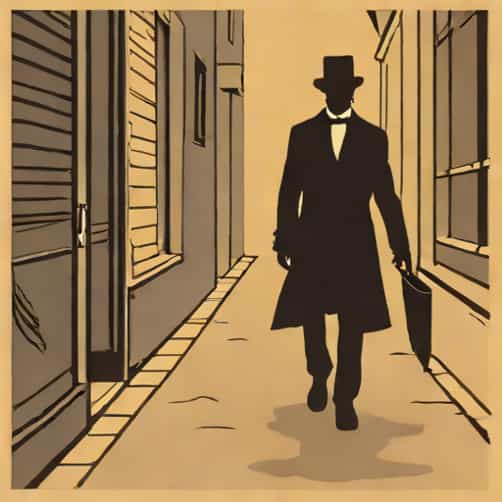
Among the many strange theories that have emerged in the world of art and mystery, one of the most unusual is the supposed connection between Edgar Degas, the renowned French Impressionist painter, and Jack the Ripper, the infamous serial killer who terrorized London in 1888. While the idea may sound far-fetched, the fascination surrounding both figures-one an artistic genius and the other a symbol of darkness-has led some to speculate about hidden links between them. Exploring this theory offers insight not only into Degas’s enigmatic personality but also into how history often merges myth and speculation to form enduring legends.
Who Was Edgar Degas?
Edgar Degas was born in Paris on July 19, 1834. He was one of the key figures in the Impressionist movement, although he preferred to call himself a realist. Degas was best known for his paintings and sculptures depicting dancers, women bathing, and scenes of everyday life in Paris. His works combined the discipline of classical art with the spontaneity of modern observation. Unlike many of his contemporaries, Degas often preferred working indoors and focusing on artificial light, particularly in the ballet halls of the Paris Opera.
Degas’s life was marked by intense dedication to his art and a somewhat reclusive personality. He was known to be critical, private, and sometimes cynical. As his eyesight deteriorated later in life, his behavior became increasingly eccentric. These personal characteristics have fueled modern interpretations that seek to find darker undertones in his art and personality.
The Legend of Jack the Ripper
Jack the Ripper is one of the most notorious unidentified figures in history. Active in London’s Whitechapel district in the late 19th century, the Ripper is believed to have murdered at least five women-mostly prostitutes-between August and November 1888. The brutal nature of the killings and the taunting letters sent to the police created a frenzy of fear and speculation. Over the years, hundreds of suspects have been proposed, ranging from local butchers and doctors to artists and members of the British aristocracy.
Because the killer was never caught, the case has remained open to endless theories, inspiring novels, films, and conspiracy stories that continue to fascinate the public more than a century later. One of those speculative theories links Edgar Degas to this grim chapter of Victorian crime history.
The Connection Between Degas and the Ripper Myth
The theory connecting Edgar Degas to Jack the Ripper is not based on concrete historical evidence but rather on symbolic and psychological associations. Some amateur researchers have suggested that Degas’s fascination with women-particularly his frequent depictions of dancers, bathers, and female figures in vulnerable poses-reflected a deeper, more disturbing obsession. Critics of this idea point out that Degas’s art explored realism and the human form, not violence or crime. Nevertheless, the theory persists as an example of how art and myth can intertwine in the public imagination.
Artistic Themes and Misinterpretation
Degas often portrayed women in intimate or unguarded moments, which some modern viewers interpret as voyeuristic. This perception, when combined with his well-documented social isolation and occasionally harsh comments about women, has led certain conspiracy-minded individuals to draw comparisons with the misogynistic motives attributed to Jack the Ripper. However, such arguments ignore the cultural and artistic context of the 19th century, when exploring the human figure was a central theme in art.
Furthermore, Degas never lived in London during the Whitechapel murders. He was in France, deeply involved in his artistic career and exhibitions. No travel records, letters, or diaries suggest that he ever visited London around 1888. Therefore, the theory rests purely on imaginative speculation rather than historical data.
Why Such Theories Persist
Linking famous artists to dark legends is not uncommon. Historical figures often become symbols onto which society projects its fears, fantasies, and curiosities. The combination of Degas’s reserved nature and the mysterious allure of the Ripper murders creates a narrative that appeals to the human desire for intrigue. Stories like this thrive because they blur the line between genius and madness, art and crime.
In the case of Edgar Degas, this fascination might also arise from the contrast between his refined artistic subjects and the brutal violence associated with Jack the Ripper. The juxtaposition of beauty and horror is compelling, even when unfounded. It allows people to explore the darker corners of creativity and to question whether art can sometimes conceal unsettling truths about its creator.
The Role of Pseudohistory
Many such theories stem from what scholars call pseudohistory-narratives that sound historical but lack factual grounding. These ideas are often fueled by coincidences, artistic interpretations, or psychological readings rather than documents or evidence. In the case of Degas and Jack the Ripper, pseudohistory feeds on mystery. The lack of definitive proof in the Ripper case invites endless reinterpretation, and the enigmatic personalities of figures like Degas provide convenient material for such reinterpretations.
Degas’s Real Legacy
Instead of focusing on speculative links, it is more meaningful to remember Edgar Degas for his genuine contributions to art. His innovative use of composition, movement, and light helped transform modern painting. Degas captured fleeting moments with precision and emotional depth, influencing generations of artists who followed. His pastel works of dancers remain some of the most recognizable images in art history.
Degas also pushed the boundaries of technique. He experimented with mixed media, photography, and sculpture, constantly seeking new ways to represent the body in motion. His fascination with human form was intellectual rather than violent, grounded in observation and technique. This dedication to realism and form stands in sharp contrast to the violence and chaos associated with the Ripper murders.
Understanding the Artist Beyond Myth
Degas’s reputation as a complex, sometimes difficult individual may have contributed to the rumors that surround him. Yet complexity does not imply criminality. Like many great artists, Degas possessed traits-obsession, isolation, and perfectionism-that are often misunderstood. His works reflect discipline, empathy, and a deep interest in the human experience. Recognizing these qualities allows us to separate the man from the myth and appreciate his achievements without resorting to sensational speculation.
The Relationship Between Art and Mystery
The association between Edgar Degas and Jack the Ripper illustrates a broader cultural phenomenon the tendency to romanticize mystery. Art and crime both attract the human imagination because they involve hidden motives and emotional intensity. When these two worlds collide, as they do in conspiracy theories, the result is both intriguing and misleading. While it is easy to see why such stories gain popularity, they often distract from the true beauty and meaning of an artist’s work.
Ultimately, the connection between Degas and the Ripper exists only in the imagination. Yet it serves as a reminder that artists often become mythic figures, their lives reshaped by rumor and storytelling long after their deaths. By exploring these myths, we gain insight not into the artists themselves but into our own fascination with mystery and darkness.
The idea that Edgar Degas could have been Jack the Ripper remains a fascinating but unfounded myth. Degas was an artist devoted to beauty, form, and the study of movement, not an agent of violence. His art celebrated life, discipline, and the human figure, standing in complete contrast to the brutality of the Ripper’s crimes. The endurance of this theory reveals more about the human desire for intrigue than about Degas himself. By separating historical truth from speculation, we can better appreciate Degas’s extraordinary contributions to modern art and leave the dark legends to the realm of imagination.