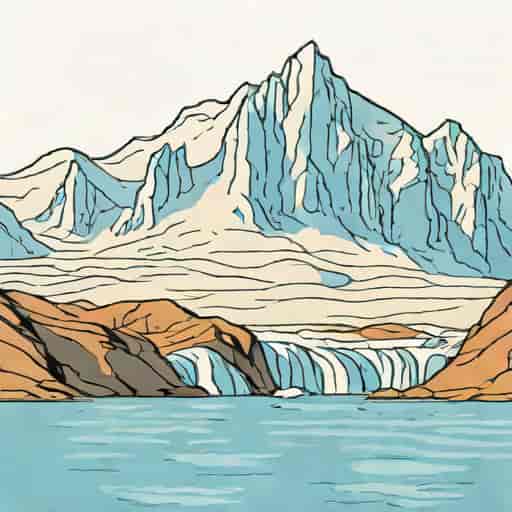
El Calafate Glacier, located in the stunning region of Patagonia, Argentina, is one of the most breathtaking natural wonders in the world. Known primarily for the Perito Moreno Glacier, this massive ice formation attracts thousands of tourists every year who come to witness its immense size, vibrant blue hues, and dramatic ice calving. The glacier is part of Los Glaciares National Park, a UNESCO World Heritage Site, and offers visitors a unique glimpse into the power and beauty of nature. Its ever-changing landscape, surrounded by rugged mountains and pristine lakes, makes El Calafate Glacier not only a visual marvel but also an important site for scientific research on climate and glacial dynamics. Exploring the glacier allows travelers to experience firsthand the majesty of the Patagonian ice fields and the diverse ecosystems that thrive around them.
Geographical Location and Significance
El Calafate Glacier is situated in the southern region of Patagonia, near the town of El Calafate in Argentina. The glacier itself is part of the Southern Patagonian Ice Field, which spans across Chile and Argentina and is one of the largest ice masses in the world outside the polar regions. The Perito Moreno Glacier, the most famous glacier in the area, extends over 250 square kilometers and reaches a height of approximately 60 meters above the surface of Lake Argentino. Its constant movement and ice flow make it a dynamic and ever-changing natural feature, providing a spectacular experience for visitors and researchers alike. The glacier’s location also offers access to a network of trails, observation platforms, and boat tours, allowing multiple perspectives of the ice formations and surrounding landscapes.
Unique Features of El Calafate Glacier
One of the most striking aspects of the El Calafate Glacier is its vibrant blue color. This occurs due to the density of the ice, which absorbs red light and reflects blue, creating an almost surreal appearance. The glacier is known for its frequent calving events, where massive chunks of ice break off and crash into Lake Argentino, producing thunderous sounds and massive splashes. These calving events are a major attraction for visitors and photographers, offering a glimpse of the glacier’s raw power. The glacier also features deep crevasses, ice caves, and towering ice walls that provide an awe-inspiring landscape for adventurers and nature enthusiasts.
Tourist Activities and Experiences
El Calafate Glacier offers a wide range of activities for tourists, catering to different levels of adventure and interest. One of the most popular ways to experience the glacier is by walking along the extensive network of trails and viewing platforms that provide panoramic views of the ice. These platforms allow visitors to observe calving events safely while enjoying the surrounding scenery of mountains, forests, and lakes. Guided tours offer additional insights into the geology, history, and ecology of the glacier, enriching the visitor experience.
Boat Tours and Ice Trekking
For those seeking a more immersive experience, boat tours on Lake Argentino take visitors up close to the glacier’s towering ice walls, offering a perspective that cannot be achieved from land. Ice trekking is another popular activity, where visitors, equipped with crampons and guided by experienced instructors, can walk directly on the glacier’s surface. This hands-on experience allows participants to explore crevasses, ice caves, and frozen streams, providing a unique adventure in a stunning natural setting.
Wildlife and Nature Exploration
The area surrounding El Calafate Glacier is home to a variety of wildlife, including Andean condors, guanacos, and native bird species. The park’s diverse ecosystems, ranging from forests and grasslands to freshwater lakes, support a wide range of flora and fauna. Visitors can enjoy hiking trails that combine glacier views with opportunities to spot wildlife, making the experience both scenic and educational. The combination of natural beauty, wildlife observation, and glacier exploration makes El Calafate Glacier a must-visit destination for nature enthusiasts.
Scientific Importance
El Calafate Glacier is not only a tourist attraction but also an important site for scientific research. Glaciers serve as indicators of climate change, and the study of ice dynamics, melting patterns, and calving events provides valuable information about global environmental trends. Researchers monitor the glacier’s movement, thickness, and melting rate to understand the impacts of climate variability on the Southern Patagonian Ice Field. These studies contribute to broader knowledge of glaciology, hydrology, and environmental science, offering critical insights into the health of the planet’s ice reserves.
Climate Change Monitoring
Scientists use satellite imagery, ground measurements, and advanced modeling techniques to track changes in El Calafate Glacier. Understanding these changes is essential for predicting sea-level rise, water resource management, and ecosystem stability in the region. The glacier’s accessibility and dynamic nature make it an ideal natural laboratory for climate research, attracting glaciologists and environmental scientists from around the world.
Conservation Efforts
As part of Los Glaciares National Park, El Calafate Glacier is protected under strict conservation regulations to preserve its natural beauty and ecological significance. Visitor activities are carefully managed to minimize environmental impact, with designated trails, observation areas, and educational programs promoting responsible tourism. Conservation efforts also focus on protecting the surrounding flora and fauna, maintaining water quality in Lake Argentino, and preventing damage to the glacier’s delicate ice formations. These measures ensure that the glacier remains a pristine and sustainable natural resource for future generations.
Eco-Tourism and Sustainable Practices
Tourism operators in the El Calafate region emphasize eco-friendly practices, including limiting the number of visitors in sensitive areas, promoting recycling, and using low-impact transportation options. Educational initiatives raise awareness about the importance of glaciers and the effects of climate change, encouraging tourists to participate in conservation efforts. By combining adventure with sustainability, visitors can enjoy the glacier responsibly while contributing to its long-term preservation.
Best Time to Visit
The optimal time to visit El Calafate Glacier is during the Southern Hemisphere’s spring and summer months, from October to March. During this period, the weather is milder, the trails are more accessible, and calving events are often more frequent. Winter visits, from June to August, offer a different experience with snow-covered landscapes and fewer tourists, but some activities like trekking may be limited due to harsh weather conditions. Planning a visit based on season and personal preferences allows travelers to make the most of their glacier experience.
- Spring and summer (October to March) for mild weather and active calving events
- Winter (June to August) for snow-covered landscapes and fewer crowds
- Check local weather forecasts and park regulations before planning visits
- Book guided tours and trekking experiences in advance for safety and availability
El Calafate Glacier is one of the most remarkable natural wonders of Patagonia, offering visitors a combination of awe-inspiring beauty, adventure, and scientific interest. From the majestic Perito Moreno Glacier to the surrounding ecosystems and wildlife, the region provides a unique and memorable experience for all who visit. Its significance extends beyond tourism, serving as a vital site for climate research and environmental conservation. By visiting responsibly and respecting conservation guidelines, travelers can enjoy the stunning landscapes of El Calafate Glacier while contributing to the protection of this extraordinary natural treasure. The glacier’s dynamic ice formations, dramatic calving events, and pristine surroundings make it an essential destination for nature lovers, adventurers, and anyone seeking to witness one of the most magnificent glaciers in the world.