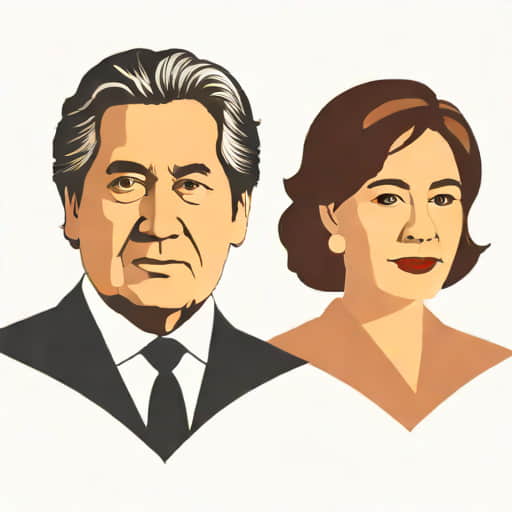
Elena Garro and Octavio Paz are two of the most influential figures in Mexican literature, whose works have shaped the cultural and intellectual landscape of the country. While both writers emerged in the 20th century and shared a deep engagement with Mexican identity, history, and politics, their literary styles and thematic focuses often diverged, creating a rich dialogue within the nation’s literary tradition. Elena Garro, known for her novels, short stories, and plays, often explored themes of social injustice, indigenous culture, and the female experience. Octavio Paz, a poet, essayist, and diplomat, examined Mexico’s philosophical and cultural identity, as well as the universal human condition, through lyrical and often surreal prose. Their intersecting lives and works provide valuable insight into the complexities of Mexican literature and the evolving discourse around modernity, tradition, and identity.
Biographical Backgrounds
Elena Garro
Elena Garro was born in 1916 in Puebla, Mexico. Her literary career began in the mid-20th century, and she quickly became known for her incisive explorations of Mexican society and the struggles of marginalized communities. Garro’s writing often reflects her critical stance toward political corruption, social inequality, and the historical traumas of Mexico. Throughout her career, she produced novels, plays, and short stories that challenged conventional narratives, highlighting the intersection of myth, history, and personal experience.
Octavio Paz
Octavio Paz was born in 1914 in Mexico City and became one of Mexico’s most celebrated literary figures, ultimately winning the Nobel Prize in Literature in 1990. Paz’s work spans poetry, essays, and literary criticism, often characterized by philosophical depth, linguistic innovation, and a profound engagement with Mexican culture. His exploration of solitude, time, and human consciousness, as well as his reflections on political and social issues, cemented his position as a leading intellectual both in Mexico and internationally.
Literary Themes and Styles
Elena Garro’s Themes
Elena Garro’s work frequently engages with the tension between reality and myth, blending historical events with magical realism. Her novel Los recuerdos del porvenir (Recollections of Things to Come) exemplifies this approach, recounting the impact of the 1940s Mexican political climate on a small town through a narrative that intertwines supernatural and historical elements. Themes of political oppression, gender inequality, and the experiences of indigenous communities are central to her work. Garro’s style is noted for its lyrical prose, emotional intensity, and ability to evoke the psychological and social dimensions of her characters’ lives.
Octavio Paz’s Themes
Octavio Paz’s literary production is marked by a philosophical and reflective quality. His poetry, including collections such as Piedra de sol (Sunstone), explores the cyclical nature of time, the paradoxes of existence, and the tension between solitude and community. In his essays, Paz examined Mexican identity, tradition, and modernity, often blending historical analysis with poetic sensibility. His writing demonstrates a mastery of language and a commitment to exploring universal themes through the lens of Mexican culture.
Their Intersection in Mexican Literature
Critical Dialogue
Elena Garro and Octavio Paz intersected not only as contemporaries but also as part of a broader intellectual conversation about Mexican culture, literature, and politics. While Garro often critiqued social injustices through narrative fiction, Paz provided philosophical and poetic reflections on similar themes, creating a complementary tension in their approaches. Critics have noted that Garro’s literary focus on marginalized voices and Paz’s exploration of cultural and philosophical identity offer two sides of the same coin in understanding Mexico’s literary evolution during the 20th century.
Personal Relationship
Elena Garro and Octavio Paz were also connected personally, as Garro was married to Paz for a period in the 1930s and 1940s. Their relationship influenced their early intellectual development, and Paz’s reflections on culture and identity likely interacted with Garro’s emerging literary perspective. Despite their later estrangement, the intellectual and artistic exchange between the two writers left a lasting impact on their respective works, shaping their understanding of Mexican society and literary expression.
Impact on Mexican Cultural Identity
Elena Garro’s Contribution
Elena Garro’s literary work is crucial in highlighting the complexities of Mexican history and society, particularly the experiences of those often silenced in mainstream narratives. Her novels and plays reveal the historical traumas and social inequalities that persist in Mexican culture, using magical realism and narrative innovation to deepen readers’ understanding of societal dynamics. Garro’s focus on women’s experiences also paved the way for future generations of Mexican female writers, emphasizing the importance of diverse voices in national literature.
Octavio Paz’s Contribution
Octavio Paz contributed to the shaping of Mexican cultural identity through his philosophical and poetic examination of the nation’s history, art, and traditions. His essays on modernity, tradition, and cultural hybridity helped Mexicans understand their place in a rapidly changing world, while his poetry offered universal reflections on human experience. Paz’s engagement with Mexico’s pre-Columbian past, colonial history, and contemporary society created a rich framework for considering the complexities of national identity.
Legacy and Recognition
Elena Garro
Although Elena Garro faced political exile and criticism during her lifetime, her work has gained increasing recognition posthumously. Scholars and literary critics now acknowledge her as a pioneering voice in Mexican literature, particularly for her contributions to magical realism, feminist literature, and social critique. Her novels and plays are studied internationally, offering insight into Mexico’s political and cultural struggles of the 20th century.
Octavio Paz
Octavio Paz’s legacy is firmly established, with his works studied in literary and philosophical contexts around the world. His Nobel Prize in Literature in 1990 affirmed his status as one of the most significant literary figures of the 20th century. Paz’s reflections on identity, language, and culture continue to inspire writers, scholars, and readers, serving as a bridge between Mexican traditions and universal human concerns.
Elena Garro and Octavio Paz occupy distinct yet intertwined places in the history of Mexican literature. Garro’s focus on marginalized voices, magical realism, and social critique complements Paz’s philosophical and poetic exploration of culture and identity. Their personal and intellectual connections, combined with their independent contributions, create a multifaceted understanding of 20th-century Mexican literature. Studying both writers provides a richer comprehension of Mexico’s literary, cultural, and historical landscape, highlighting the enduring relevance of their works. Through their narratives, reflections, and poetry, Garro and Paz continue to shape the conversation around Mexican identity, artistic expression, and the intersection of personal and collective memory.