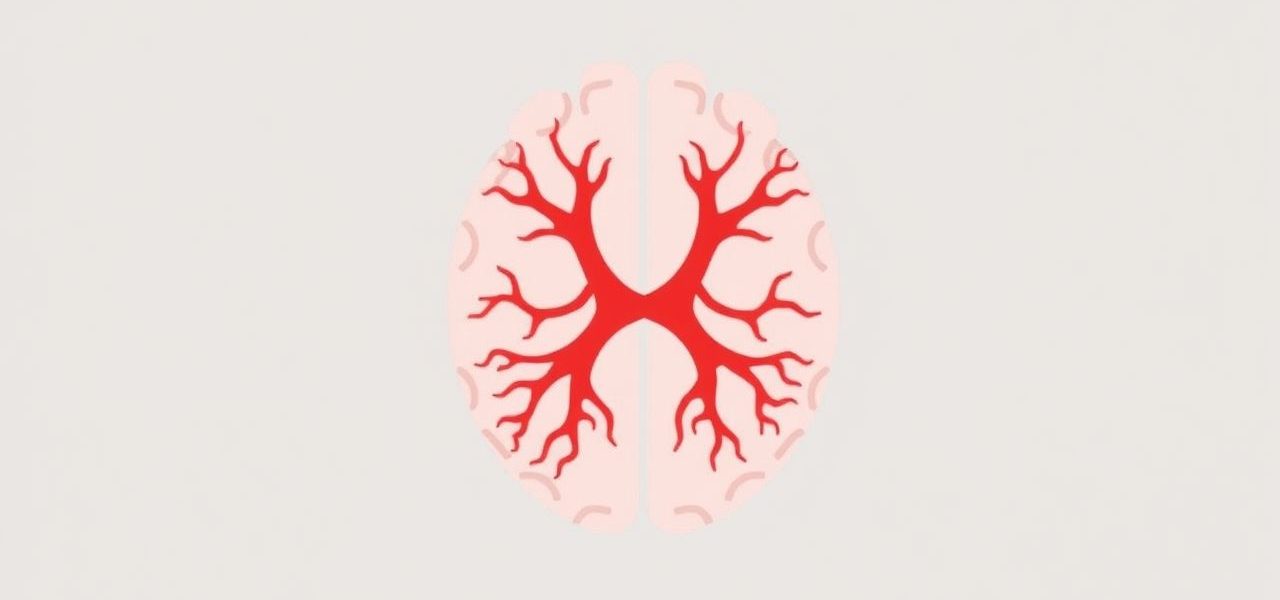
The human brain is a complex organ, and any changes in its structure often indicate serious medical conditions. One such change is the enlargement of the brain’s ventricles, which are fluid-filled spaces that help circulate cerebrospinal fluid. Enlarged ventricles in the brain are seen in several disorders, and understanding these conditions is important for early diagnosis and treatment. This topic will explore what disorders are linked to enlarged ventricles, how they are diagnosed, and why they matter for brain health.
Understanding Brain Ventricles
The brain contains four ventricles two lateral ventricles, a third ventricle, and a fourth ventricle. These ventricles are filled with cerebrospinal fluid (CSF), which cushions the brain, removes waste, and maintains pressure balance. When ventricles become enlarged, it often means there is too much fluid or there has been loss of brain tissue. This abnormal change is usually detected through imaging tests such as CT scans or MRI.
Hydrocephalus and Enlarged Ventricles
One of the most common conditions where enlarged ventricles are seen is hydrocephalus. This disorder occurs when cerebrospinal fluid builds up inside the ventricles, creating pressure on brain tissue. Hydrocephalus can affect people of any age, but it is especially common in infants and older adults.
Types of Hydrocephalus
- Congenital hydrocephalus– present at birth and often linked to developmental abnormalities.
- Acquired hydrocephalus– develops after infections, head injuries, tumors, or bleeding in the brain.
- Normal Pressure Hydrocephalus (NPH)– usually seen in older adults and associated with walking difficulties, memory loss, and incontinence.
In all types of hydrocephalus, enlarged ventricles are the key feature. The sooner it is diagnosed, the better the treatment outcome.
Alzheimer’s Disease and Ventricular Enlargement
Enlarged ventricles in the brain are also linked to Alzheimer’s disease. In this condition, brain tissue gradually shrinks due to the death of nerve cells. As brain volume decreases, the ventricles appear larger. This enlargement is not caused by extra fluid but by loss of brain matter, which creates more space around the ventricles.
Ventricular enlargement in Alzheimer’s patients is often associated with memory decline, confusion, and changes in thinking ability. While enlarged ventricles alone do not confirm Alzheimer’s, they are an important biomarker when combined with other clinical findings.
Schizophrenia and Brain Ventricles
Another disorder where enlarged ventricles are often seen is schizophrenia. Research has shown that people with schizophrenia sometimes have slightly larger ventricles compared to individuals without the condition. The exact reason for this change is not fully understood, but it may relate to abnormalities in brain development or loss of brain tissue.
Schizophrenia is primarily a mental health condition, but these structural changes suggest there is also a biological component affecting the brain’s anatomy. Ventricular enlargement in schizophrenia is usually mild but consistent across many patients.
Ventriculomegaly in Infants
In newborns and developing babies, enlarged ventricles are often referred to as ventriculomegaly. This condition can be detected through prenatal ultrasound scans or shortly after birth. Mild cases may not cause serious issues, but severe ventriculomegaly can be linked to developmental delays, hydrocephalus, or other neurological disorders.
Doctors monitor infants closely when enlarged ventricles are found, as early intervention may prevent complications. Sometimes surgical procedures are required to relieve fluid buildup and protect brain development.
Stroke and Brain Ventricles
Strokes can also lead to enlarged ventricles in the brain. After a stroke, especially when it causes brain tissue damage, the loss of gray or white matter may create more space inside the skull. As a result, ventricles expand. This type of enlargement is usually a secondary effect rather than the main cause of the disorder.
Patients recovering from strokes may show ventricular enlargement during brain imaging. Doctors use these findings to understand the extent of brain injury and plan rehabilitation strategies.
Normal Pressure Hydrocephalus in Elderly Patients
Among older adults, one important disorder to consider is normal pressure hydrocephalus (NPH). It is characterized by enlarged ventricles but without the high pressure normally seen in hydrocephalus. Symptoms include difficulty walking, urinary problems, and cognitive decline. Because these symptoms are similar to those of Alzheimer’s or Parkinson’s disease, NPH is often misdiagnosed.
Timely diagnosis of NPH is crucial because it can sometimes be treated with a shunt procedure, which drains excess cerebrospinal fluid. Unlike Alzheimer’s disease, where treatments only manage symptoms, NPH offers a chance for significant improvement when detected early.
Causes of Enlarged Ventricles in Different Disorders
The reasons for ventricular enlargement vary depending on the disorder
- In hydrocephalus, excess fluid accumulation enlarges the ventricles.
- In Alzheimer’s disease, brain shrinkage makes ventricles appear larger.
- In schizophrenia, subtle brain structure changes may widen ventricles slightly.
- In strokes, brain tissue loss results in secondary ventricular enlargement.
- In infants, ventriculomegaly may develop due to congenital abnormalities or infections.
Diagnosing Ventricular Enlargement
Doctors typically detect enlarged ventricles through imaging tests such as MRI or CT scans. These scans show the size and shape of the ventricles, allowing specialists to determine whether the enlargement is due to fluid buildup or tissue loss. In addition, clinical evaluation of symptoms helps guide the diagnosis toward a specific disorder.
Sometimes, additional tests such as lumbar puncture, neuropsychological assessments, or blood tests are performed to confirm the underlying cause of ventricular enlargement.
Treatment Options
Treatment depends on the disorder causing the enlarged ventricles
- Hydrocephalus– often treated with shunt surgery or endoscopic third ventriculostomy to drain excess fluid.
- Alzheimer’s disease– managed with medications and lifestyle interventions, though no cure currently exists.
- Schizophrenia– treated with antipsychotic medications and therapy; ventricular enlargement itself is not directly treated.
- Stroke-related enlargement– managed by treating stroke damage and preventing further complications.
- Ventriculomegaly in infants– monitored closely, with surgery considered if fluid buildup is severe.
Why Early Detection Matters
Detecting enlarged ventricles early is vital because it often points to an underlying neurological disorder that requires treatment. In conditions like hydrocephalus or NPH, timely intervention can restore normal functioning. In Alzheimer’s or schizophrenia, it helps doctors track disease progression and manage symptoms effectively. For infants, early monitoring of ventriculomegaly may improve long-term developmental outcomes.
Enlarged ventricles in the brain are seen in several disorders, including hydrocephalus, Alzheimer’s disease, schizophrenia, stroke, and ventriculomegaly in infants. While the causes differ, the presence of enlarged ventricles is always a sign that something significant is happening within the brain. Understanding these changes allows doctors and patients to pursue proper diagnosis, treatment, and management strategies. Recognizing the connection between ventricular enlargement and brain disorders is an essential step in protecting neurological health across all ages.