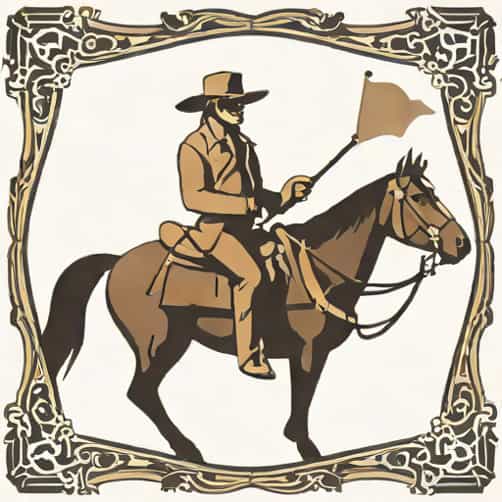
The television series The Lone Ranger remains one of the most iconic western adventures in American pop culture. With its masked hero, loyal companion, and a moral code rooted in justice and fairness, the show captivated audiences for decades. Episodes of The Lone Ranger offered not only thrilling tales of courage but also important life lessons that resonated with viewers young and old. The combination of heroism, loyalty, and adventure made each episode a memorable experience, defining the golden era of western television.
The Origins of The Lone Ranger
The Lone Ranger began as a radio program in the 1930s before transitioning to television in 1949. The TV adaptation starred Clayton Moore as the masked hero and Jay Silverheels as Tonto, his trusted Native American companion. Together, they traveled across the American frontier, fighting for justice and protecting the innocent. The show quickly became a massive hit, and its episodes helped define early television entertainment with their strong storytelling and sense of adventure.
Structure and Style of the Episodes
Each episode of The Lone Ranger followed a familiar yet engaging structure. The story usually began with the discovery of wrongdoing-whether it was a robbery, corruption, or injustice faced by a local community. The Lone Ranger and Tonto would arrive on the scene, investigate the problem, and restore justice by the end of the episode. Despite the simplicity of this formula, the writers kept the stories compelling with varied villains, moral dilemmas, and action-packed sequences.
The episodes were known for their fast pacing and clear sense of right and wrong. The Lone Ranger never shot to kill; instead, he used his gun only to disarm enemies. This approach reflected his belief that all life was valuable and that justice should prevail without unnecessary violence. The use of silver bullets symbolized this purity and high moral standard, giving the series a unique ethical identity.
Memorable Episodes of The Lone Ranger
Over the course of its six seasons and 221 episodes, the show produced many unforgettable stories. Some of the most notable episodes included
- Enter the Lone Ranger– The very first episode, which introduced audiences to the origins of the masked hero. It showed how a Texas Ranger survived an ambush and dedicated his life to justice under the new identity of the Lone Ranger.
- The Return of the Lone Ranger– This episode expanded on the hero’s early adventures, exploring his mission to protect those who could not defend themselves.
- Trouble at Black Rock– A story filled with suspense and deception, in which the Lone Ranger exposes corruption in a mining town.
- The Outlaw Stronghold– A classic western episode featuring a dangerous gang and the hero’s clever plan to outsmart them without violence.
Each of these episodes highlighted the same core values courage, justice, and friendship. Even when facing betrayal or overwhelming odds, the Lone Ranger remained calm and determined, relying on intelligence and integrity rather than brute force.
Recurring Themes in the Series
Several recurring themes ran throughout the episodes of The Lone Ranger. One of the most central was the idea of justice for all, regardless of background or social status. The Lone Ranger treated everyone with respect, including Native Americans, settlers, and outlaws who sought redemption. This inclusive attitude was ahead of its time, especially for a show made in the early 1950s.
Another common theme was the importance of teamwork and loyalty. The partnership between the Lone Ranger and Tonto was a symbol of mutual respect and trust. Tonto was never portrayed as a mere sidekick; instead, he was a capable and wise ally who often saved the day with his quick thinking. This balanced dynamic added emotional depth to the show’s episodes and reinforced the power of friendship.
Character Development and Storytelling
Although the show’s format was episodic, character development still played an important role. The Lone Ranger evolved from a solitary lawman into a legendary figure whose reputation spread across the frontier. Tonto’s character also gained complexity over time, showing compassion, wisdom, and bravery. The writing reflected both characters’ moral growth as they faced new challenges.
Episodes often featured moral lessons, teaching audiences about honesty, courage, and perseverance. Unlike modern action shows, The Lone Ranger focused less on violence and more on moral clarity. Each ending brought resolution and hope, leaving viewers with the belief that good would always triumph over evil.
Guest Characters and Villains
Many episodes introduced new guest characters, including townsfolk, sheriffs, and villains. These side characters gave the series variety and helped explore different social issues of the Old West. Villains often represented greed, corruption, or betrayal-qualities that the Lone Ranger sought to overcome with wisdom and justice. This storytelling approach made every episode self-contained yet meaningful, offering new insights into human nature.
The Cultural Impact of the Episodes
The influence of The Lone Ranger extended far beyond its television screen. Its episodes inspired countless adaptations, from comic books and films to merchandise and radio reruns. The famous catchphrase Hi-Yo Silver, away! became a cultural symbol of heroism and adventure. The show’s moral tone also left a lasting mark on generations of viewers, setting a standard for future heroes in television and film.
Even today, reruns of The Lone Ranger continue to attract nostalgic audiences. Many people admire its simple yet powerful storytelling and the timeless appeal of its main characters. The episodes serve as a reminder of a time when television heroes stood for honor, fairness, and compassion-values that remain relevant in modern society.
Why the Episodes Still Matter Today
Although decades have passed since its original broadcast, The Lone Ranger’s episodes continue to resonate because they celebrate universal values. The show’s commitment to nonviolence, justice, and equality feels refreshing compared to more cynical modern stories. It encourages viewers to believe that one person can make a difference, no matter the odds.
Furthermore, the partnership between the Lone Ranger and Tonto still holds significance in today’s conversations about friendship, respect, and cultural understanding. Their teamwork showed that collaboration and empathy could bridge even the widest divides.
Legacy and Enduring Popularity
The legacy of The Lone Ranger episodes lies in their ability to blend excitement with ethics. They entertained audiences with thrilling chases, clever disguises, and memorable dialogue while also instilling moral lessons. The show demonstrated that good storytelling does not require excessive violence or complicated plots-just relatable characters and a strong sense of purpose.
Fans continue to revisit classic episodes, sharing them with new generations who find inspiration in the masked rider’s unwavering sense of justice. Whether experienced on old television reels or modern streaming platforms, The Lone Ranger remains a timeless symbol of courage and moral clarity.
final remarkss
Episodes of The Lone Ranger represent a golden chapter in television history. They combine adventure, morality, and heart in a way that few shows have matched since. The series’ enduring popularity proves that audiences still value stories where good prevails and integrity matters. Each episode serves as both entertainment and a moral compass, reminding viewers that heroism is defined not by power, but by character.