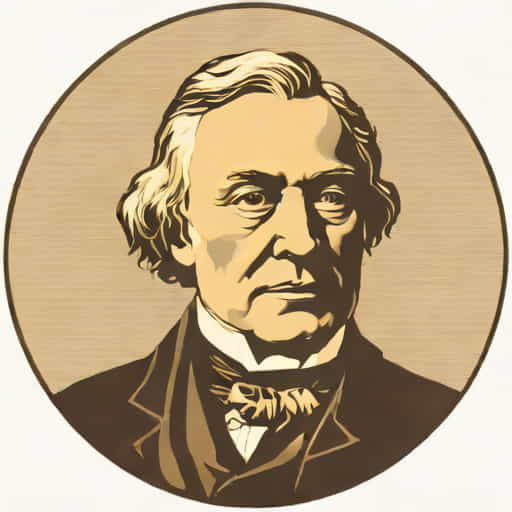
Ernest Hartley Coleridge was a distinguished English scholar, literary critic, and biographer, renowned for his meticulous work on the legacy of his grandfather, the Romantic poet Samuel Taylor Coleridge. Born into a family deeply embedded in the literary world, Ernest Hartley Coleridge dedicated his life to studying, editing, and preserving the works of his forebears while contributing significantly to Victorian and early 20th-century literary scholarship. His commitment to accuracy, historical context, and critical analysis earned him a respected place among literary historians and editors of his time. Beyond his editorial accomplishments, he also engaged in poetry, essays, and educational work, demonstrating a profound understanding of literature, history, and the human condition. His career reflects both a personal connection to literary heritage and a broader influence on the study and appreciation of English literature.
Early Life and Education
Ernest Hartley Coleridge was born in 1846, into a family with a remarkable literary lineage. He was the grandson of Samuel Taylor Coleridge, whose works had a lasting impact on English Romanticism. From a young age, Ernest was surrounded by literary culture and scholarship, which nurtured his interest in poetry, literary criticism, and historical research. His formative years included rigorous academic training, emphasizing classical education, literature, and languages, which prepared him for a career dedicated to literary scholarship.
Influences from Family and Heritage
Growing up in a family that had intimate connections to some of the most influential figures in English literature, Ernest Hartley Coleridge was exposed to a rich intellectual environment. His grandfather’s works, letters, and personal history provided both inspiration and a lifelong project to preserve and clarify the legacy of Samuel Taylor Coleridge. This familial influence instilled in Ernest a sense of responsibility toward literary accuracy and historical fidelity.
Career and Literary Contributions
Ernest Hartley Coleridge’s professional life was characterized by his dedication to editing, publishing, and analyzing literary works, particularly those related to the Romantic period. His meticulous approach to textual editing and annotation was recognized for its thoroughness and reliability. Through his work, he made significant contributions to the study of poetry, biography, and literary history, helping scholars and readers better understand the contexts and nuances of 18th and 19th-century literature.
Editing and Preserving Samuel Taylor Coleridge’s Works
One of Ernest Hartley Coleridge’s most important contributions was his work on editing and publishing his grandfather’s writings. He dedicated considerable time to collecting manuscripts, letters, and unpublished works to ensure accurate editions were available to scholars and the public. His editorial efforts included
- Compiling and annotating Samuel Taylor Coleridge’s letters to provide historical context.
- Editing previously unpublished poems and essays to present a comprehensive view of Coleridge’s literary output.
- Ensuring textual accuracy by cross-referencing manuscripts, drafts, and other historical records.
These efforts not only preserved the literary heritage of the Coleridge family but also provided a valuable resource for generations of scholars and readers interested in Romantic literature.
Contributions to Literary Criticism
In addition to his editorial work, Ernest Hartley Coleridge engaged in literary criticism and scholarship. He analyzed poetic forms, themes, and historical contexts, producing essays and topics that explored the significance of Romantic literature. His work emphasized the interconnectedness of literary output, historical events, and philosophical thought, reflecting a deep understanding of both literature and cultural history.
Poetry and Personal Writing
Although best known for his editorial and scholarly work, Ernest Hartley Coleridge was also a poet and essayist. His personal writings reflected both his intellectual rigor and emotional sensitivity, often exploring themes of heritage, memory, and human experience. While his poetry did not achieve the same level of fame as that of his grandfather, it provided insight into his literary sensibilities and personal reflections on art, life, and history.
Thematic Concerns in His Writings
- Exploration of literary heritage and the influence of family history.
- Engagement with philosophical and moral questions, reflecting Victorian intellectual currents.
- Reflection on the creative process and the relationship between life experience and artistic expression.
His essays and poems often served as a bridge between scholarly analysis and personal contemplation, highlighting the human dimension of literary study.
Educational and Scholarly Influence
Beyond writing and editing, Ernest Hartley Coleridge was involved in educational work and mentoring younger scholars. He contributed to academic journals, participated in literary societies, and guided research that focused on Romantic and Victorian literature. His dedication to teaching and scholarly rigor helped shape the study of English literature during his lifetime and influenced subsequent generations of literary historians.
Involvement in Literary Societies
- Membership in academic and literary societies where he presented papers and shared research findings.
- Participation in discussions about textual editing, historical accuracy, and literary interpretation.
- Mentorship of students and emerging scholars in the techniques of critical analysis and historical research.
Through these activities, Ernest Hartley Coleridge ensured that the study of literature remained both rigorous and accessible, reinforcing the importance of historical context and fidelity to original texts.
Legacy and Impact
Ernest Hartley Coleridge’s legacy lies in his tireless efforts to preserve, edit, and interpret the works of one of England’s most significant Romantic poets. His contributions have provided a foundation for modern scholarship on Samuel Taylor Coleridge, enabling a clearer understanding of the poet’s life, thoughts, and creative achievements. Furthermore, his own critical and poetic writings demonstrate a commitment to intellectual exploration and literary excellence, bridging the gap between personal reflection and scholarly rigor.
Recognition and Influence
- Acknowledged for the accuracy and depth of his editorial work on Coleridge’s letters and manuscripts.
- Influenced literary scholars, historians, and biographers in their approach to textual criticism and Romantic literature.
- Contributed to the appreciation of English Romanticism through both academic and popular audiences.
Today, scholars continue to rely on his edited volumes and critical insights when studying Romantic literature, underscoring the lasting importance of his work in literary history.
Ernest Hartley Coleridge exemplifies the intersection of literary heritage, scholarship, and personal creativity. Through his meticulous editing, insightful criticism, and reflective writing, he preserved the legacy of Samuel Taylor Coleridge while contributing to broader literary understanding. His work demonstrates the value of careful scholarship, historical awareness, and dedication to cultural preservation. By bridging the past and present, Ernest Hartley Coleridge ensured that both the literary achievements of his family and the broader Romantic tradition remain accessible, studied, and appreciated by generations of readers and scholars. His life and career serve as a testament to the enduring power of literature and the importance of preserving intellectual and artistic heritage.