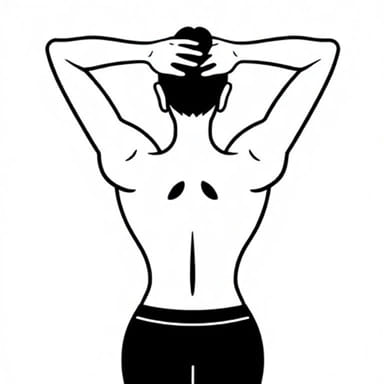
Maintaining a straight and healthy back is essential for overall posture, spinal health, and reducing discomfort caused by prolonged sitting or poor habits. Many people develop slouched or rounded backs over time due to weak muscles, lack of exercise, or improper ergonomics. Fortunately, targeted exercises can strengthen the muscles that support the spine, improve flexibility, and help straighten your back naturally. Incorporating a regular routine of stretching, strengthening, and posture-focused exercises can have long-term benefits for both physical health and appearance.
Understanding Back Alignment
The human spine has natural curves that allow for balance, flexibility, and shock absorption. However, poor posture, muscle imbalances, or sedentary lifestyles can lead to exaggerated curves or misalignment, resulting in a hunched or rounded back. Proper back alignment involves maintaining the spine’s natural curves while keeping the shoulders, neck, and pelvis in a neutral position. Correcting alignment requires strengthening the core, back, and shoulder muscles while improving flexibility in tight areas.
Common Causes of Poor Back Posture
- Prolonged sitting, especially with slouched shoulders or leaning forward
- Weak core and back muscles that fail to support the spine
- Carrying heavy backpacks or improper lifting techniques
- Muscle imbalances, tight chest muscles, and weak upper back muscles
- Lack of awareness about posture during daily activities
Exercises to Straighten Your Back
Performing regular exercises designed to strengthen the back and improve posture can help straighten your spine and alleviate discomfort. These exercises target key muscle groups, including the upper back, shoulders, core, and lower back, to promote proper alignment and stability.
1. Cat-Cow Stretch
The cat-cow stretch helps improve spinal flexibility and mobility while reducing tension in the back and neck. It also promotes awareness of posture and alignment.
- Start on your hands and knees with your wrists under shoulders and knees under hips.
- Inhale, arch your back, and lift your head and tailbone toward the ceiling (cow pose).
- Exhale, round your spine, tucking your chin and tailbone (cat pose).
- Repeat for 10-15 cycles, moving slowly and breathing deeply.
2. Thoracic Extension
This exercise focuses on the mid-back, which often becomes rounded due to prolonged sitting. Strengthening and extending this area helps improve overall posture.
- Sit on a chair with your hands behind your head and elbows pointing outward.
- Gently lean back, extending the upper back over the chair’s edge if possible.
- Hold for a few seconds, then return to a neutral position.
- Repeat 10-12 times, ensuring movements are controlled and pain-free.
3. Wall Angels
Wall angels strengthen the upper back and shoulder muscles while promoting better posture alignment.
- Stand with your back against a wall, heels a few inches away from the wall.
- Press your lower back, shoulders, and head against the wall.
- Raise your arms to form a goalpost shape, keeping elbows and wrists in contact with the wall.
- Slowly slide your arms upward and downward, mimicking a snow angel motion.
- Perform 10-15 repetitions.
4. Plank
Planks engage the core muscles, which are critical for spinal support and proper posture.
- Start in a forearm plank position, elbows under shoulders, body forming a straight line from head to heels.
- Engage your core, glutes, and back muscles.
- Hold the position for 20-60 seconds, gradually increasing as strength improves.
- Ensure your hips do not sag or rise excessively to maintain proper alignment.
5. Bridge Exercise
The bridge strengthens the lower back, glutes, and hamstrings, helping maintain the natural lumbar curve.
- Lie on your back with knees bent and feet flat on the floor, arms at your sides.
- Engage your core and lift your hips toward the ceiling, forming a straight line from shoulders to knees.
- Hold for a few seconds, then lower slowly.
- Repeat 12-15 times.
6. Rowing Exercises
Rowing movements strengthen the mid-back and shoulder muscles, counteracting the rounding of the upper back.
- Using resistance bands or dumbbells, bend slightly at the hips with a straight back.
- Pull the weights or bands toward your torso, squeezing your shoulder blades together.
- Slowly release and repeat 10-12 times.
Tips for Maintaining a Straight Back
In addition to exercises, daily habits play a vital role in maintaining a straight back and proper posture
- Practice ergonomic sitting Keep feet flat on the floor, back supported, and shoulders relaxed.
- Take regular breaks from sitting to stretch and move around.
- Be mindful of posture when standing, walking, or lifting objects.
- Use supportive shoes and avoid prolonged high heels, which can affect spinal alignment.
- Incorporate yoga or Pilates routines to improve flexibility, strength, and body awareness.
Straightening your back through targeted exercises requires a combination of strength, flexibility, and posture awareness. Stretching exercises like the cat-cow and thoracic extensions improve spinal mobility, while strengthening exercises like planks, bridges, and rowing movements build the muscles necessary to support proper alignment. Consistency is key, as regular practice over weeks and months will gradually correct posture and reduce discomfort. Combined with ergonomic adjustments and mindful daily habits, these exercises can significantly improve back alignment, enhance overall health, and promote a confident, upright posture.