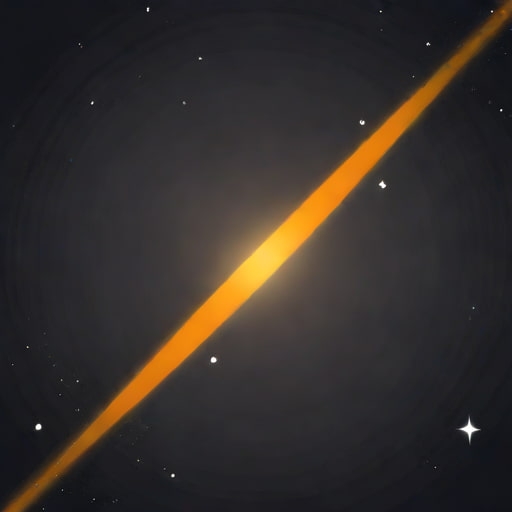
Fomalhaut is one of the most fascinating stars in the night sky, known not only for its brightness but also for its significance in astronomy due to its distance from Earth, measured in light years. Located in the constellation Piscis Austrinus, Fomalhaut has intrigued astronomers for centuries because it is relatively close in astronomical terms and possesses unique characteristics. Understanding Fomalhaut light years provides insight into the scale of our galaxy and the complexities of stellar systems. This star has been studied extensively for its surrounding debris disk and potential exoplanets, making it a subject of continuous research and fascination for both professional and amateur stargazers. Knowing the distance in light years helps scientists calculate many other properties of the star, including its luminosity, age, and the dynamics of its planetary system.
What Are Light Years?
Before diving deeper into Fomalhaut light years, it is essential to understand what a light year represents. A light year is the distance that light travels in one year, roughly 5.88 trillion miles or 9.46 trillion kilometers. Astronomers use light years to measure vast distances in space because the scales involved are far too large for conventional units like miles or kilometers. By understanding that Fomalhaut is several light years away, we can better comprehend how long it takes for the star’s light to reach Earth and why we see it as it appeared years ago, not as it exists today.
Distance of Fomalhaut in Light Years
Fomalhaut is approximately 25 light years away from Earth. This relatively close distance makes it one of the nearest bright stars visible to the naked eye in the southern hemisphere. The proximity of Fomalhaut allows astronomers to study its characteristics with a high level of detail compared to more distant stars. Observing Fomalhaut at 25 light years means that the light we see tonight left the star 25 years ago, providing a glimpse into its past state. This concept emphasizes the incredible nature of light travel and the importance of distance measurements in understanding the universe.
Significance of Knowing Fomalhaut’s Distance
Knowing the distance of Fomalhaut in light years is crucial for several reasons
- It allows scientists to calculate the star’s luminosity accurately, which is essential for understanding its energy output.
- Distance measurements help determine the size and structure of Fomalhaut’s debris disk.
- It aids in estimating the star’s age and evolutionary stage, giving clues about the life cycle of similar stars.
- Understanding distance helps astronomers detect and analyze potential exoplanets orbiting Fomalhaut.
Characteristics of Fomalhaut
Fomalhaut is classified as a type A star, which means it is hotter and more massive than our Sun. Its brightness and relatively close proximity make it a prominent feature in the night sky. Studying Fomalhaut’s light allows astronomers to learn more about its temperature, composition, and potential for hosting planets. The star is also surrounded by a well-known debris disk, which is a ring of dust and ice ptopics that may be remnants from planet formation. This disk, first observed using infrared telescopes, has provided significant insight into the processes that shape planetary systems.
The Debris Disk
The debris disk surrounding Fomalhaut is one of the most studied features of the star. It is located at a distance of about 133 astronomical units (AU) from the star, much farther than the orbit of Neptune in our solar system. Observations of this disk have shown gaps and structures that suggest the presence of planetary bodies influencing its shape. By combining distance information in light years with the disk’s measurements, astronomers can model the dynamics of the system and understand how planets and dust interact around stars like Fomalhaut.
Potential Exoplanets
Fomalhaut is known for the potential presence of exoplanets. Fomalhaut b was one of the first directly imaged exoplanet candidates, although its nature remains under study. The study of planets around Fomalhaut benefits greatly from knowing the star’s distance in light years because it allows scientists to estimate orbital sizes, masses, and brightness levels accurately. Understanding these factors contributes to broader knowledge about how planetary systems form and evolve, especially around bright, nearby stars like Fomalhaut.
Observing Fomalhaut
Fomalhaut is visible to the naked eye in the southern hemisphere and can be seen from mid-northern latitudes under favorable conditions. Its brightness and distinct orange-white color make it easy to spot in the constellation Piscis Austrinus. Amateur astronomers often enjoy observing Fomalhaut, particularly when using telescopes to study its surrounding debris disk. Knowing the distance in light years adds a layer of appreciation, as observers realize they are seeing light that has traveled 25 years to reach them.
Fomalhaut in Astronomy History
Fomalhaut has been recognized since ancient times, often associated with water or fish in various mythologies due to its placement in Piscis Austrinus. Its relative proximity and brightness have made it a reference point for both navigation and scientific study. Modern astronomy has expanded knowledge about Fomalhaut through detailed observations from ground-based and space telescopes, focusing on its light, spectrum, and surrounding planetary system. This historical and scientific significance emphasizes why Fomalhaut remains a key object of study in contemporary astronomy.
Why Fomalhaut Light Years Matter
Understanding the distance of Fomalhaut in light years is not just a numerical fact; it carries profound implications for how we perceive the universe. Light year measurements allow astronomers to understand the time delay in observing cosmic events, study the physics of stars and planetary systems, and make comparisons with other stars in the solar neighborhood. For Fomalhaut, being 25 light years away makes it a nearby laboratory for studying star and planet formation, stellar evolution, and the interactions between stars and their surrounding material.
Impact on Research and Exploration
- Determining Fomalhaut’s distance allows precise calculations for future missions aimed at studying nearby stars.
- It provides context for the brightness and energy output of the star relative to other stars in the Milky Way.
- Understanding light years helps refine models of planetary system dynamics and the potential habitability of exoplanets.
- It assists in comparative studies of similar stars and their debris disks, enhancing knowledge of universal processes.
Fomalhaut light years highlight the star’s proximity, making it an important subject for astronomical study and observation. At approximately 25 light years from Earth, Fomalhaut offers insight into the properties of nearby stars, the formation of planetary systems, and the behavior of debris disks. Its classification as a type A star, along with the potential presence of exoplanets and a prominent debris disk, makes Fomalhaut a fascinating celestial object. Understanding its distance in light years allows scientists to analyze its characteristics more accurately, contributing to broader knowledge of our galaxy and the universe. Observing Fomalhaut today means seeing light that began its journey a quarter-century ago, reminding us of the vast scales and wonders of space.