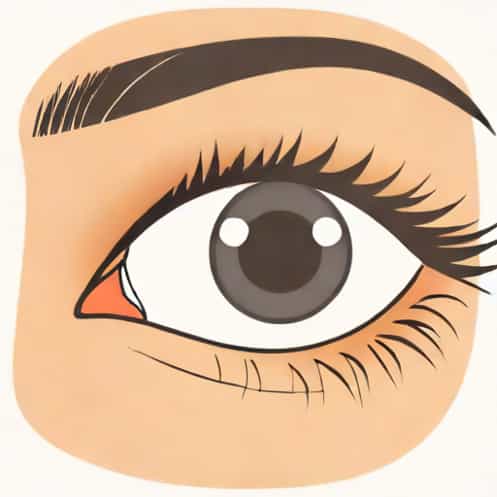
Many people are curious about Latisse and the conditions for which a physician might prescribe it. Latisse is a prescription treatment primarily known for its ability to enhance eyelash growth, making them longer, fuller, and darker. While it has become popular for cosmetic reasons, Latisse is a medical product and should only be used under the supervision of a healthcare provider. Understanding why a physician might prescribe Latisse involves exploring the medical conditions related to eyelash growth, the science behind the treatment, and proper usage guidelines to ensure safety and effectiveness.
What is Latisse?
Latisse is a topical solution containing bimatoprost, a synthetic prostaglandin analog. Originally developed for treating glaucoma under the brand name Lumigan, it was later approved by the FDA for promoting eyelash growth. Its unique formulation stimulates the hair follicles of the eyelashes, increasing the length, thickness, and pigmentation of the lashes.
How Latisse Works
Bimatoprost in Latisse prolongs the anagen, or growth, phase of eyelash follicles. By extending this phase, eyelashes continue to grow longer than they naturally would. It also increases the number of hairs in each follicle, resulting in a denser appearance. This dual effect is why Latisse is effective for both cosmetic enhancement and certain medical conditions that result in eyelash thinning.
Medical Conditions That May Lead to Prescription of Latisse
A physician may prescribe Latisse for conditions that cause inadequate eyelash growth or hair loss around the eyes. These conditions can range from congenital factors to acquired medical issues. The goal of treatment is to restore eyelashes to a fuller, healthier appearance and, in some cases, improve psychological well-being.
Hypotrichosis of the Eyelashes
The primary FDA-approved condition for Latisse is hypotrichosis, which refers to having insufficient or inadequate eyelashes. This condition can be present from birth or develop later due to various factors. Individuals with hypotrichosis may notice sparse, short, or thin lashes, and Latisse can help stimulate growth to achieve a more normal appearance.
Causes of Eyelash Hypotrichosis
- Genetic predisposition leading to naturally thin or short eyelashes
- Alopecia areata affecting the eyelashes
- Chemotherapy or other medical treatments causing hair loss
- Trichotillomania, a compulsive hair-pulling disorder
- Damage from infections or chronic inflammation of the eyelid
In each of these cases, Latisse may be considered as part of a broader treatment plan under a physician’s guidance.
Cosmetic Considerations and Latisse Prescription
While the primary indication is hypotrichosis, physicians may also prescribe Latisse for individuals seeking enhanced eyelash appearance. The cosmetic use still falls under medical supervision because Latisse is a prescription medication, not an over-the-counter beauty product.
Safety and Efficacy
Medical supervision ensures that the patient is evaluated for potential contraindications, such as eye conditions, allergies, or sensitivity to bimatoprost. Physicians also provide guidance on correct application to avoid side effects, including irritation, darkening of the eyelid skin, or changes in eye color in rare cases.
Other Off-Label Uses
Some physicians may explore off-label applications of Latisse for hair growth in other areas, but such use is not FDA-approved and requires careful consideration. The most documented and studied application remains the enhancement of eyelashes.
Evaluating Suitability for Treatment
Before prescribing Latisse, a physician evaluates the patient’s medical history, current medications, and underlying causes of eyelash thinning. Patients are typically instructed on proper application techniques, including using a sterile applicator and limiting the solution to the upper lash line to reduce the risk of complications.
Application Guidelines for Latisse
For optimal results, Latisse is applied once nightly to the base of the upper eyelashes. The treatment gradually stimulates growth over several weeks, with noticeable changes typically appearing after eight weeks and full results seen around sixteen weeks.
Precautions and Follow-Up
- Avoid applying Latisse to the lower lashes to prevent irritation
- Do not exceed the recommended dosage
- Monitor for eye redness, itching, or swelling
- Regular follow-up with a physician to assess effectiveness and safety
Effectiveness of Latisse in Prescribed Conditions
Clinical studies show that Latisse significantly increases eyelash length, thickness, and darkness compared to placebo. Patients with hypotrichosis often report improved confidence and satisfaction with their appearance, demonstrating the psychological benefit of treating medically recognized eyelash deficiency.
Expected Results
Results vary depending on the individual’s baseline eyelash condition, age, and adherence to application instructions. Continued use is often necessary to maintain results, and discontinuing Latisse typically results in a gradual return to pre-treatment lash length and density over several weeks to months.
Potential Side Effects and Considerations
While generally safe, Latisse can cause side effects. Physicians weigh the benefits against potential risks before prescribing it. Common side effects include itching, redness, and eye dryness, while rare side effects may involve increased brown pigmentation of the iris or permanent changes in eyelid skin color.
When to Consult a Physician
Patients experiencing persistent irritation, vision changes, or unusual reactions should consult their healthcare provider immediately. A physician can adjust the treatment plan, recommend alternative therapies, or monitor any adverse effects closely.
Summary When a Physician Might Prescribe Latisse
In summary, a physician might prescribe Latisse for
- Hypotrichosis of the eyelashes, whether congenital or acquired
- Hair loss resulting from medical treatments like chemotherapy
- Conditions affecting eyelash growth, such as alopecia areata
- Cosmetic enhancement under medical supervision for thin or short lashes
Physicians prescribe Latisse not just for appearance but to address medical conditions that impact eyelash density and growth, always ensuring safe and effective use.
Latisse is a prescription treatment primarily used to enhance eyelash growth in patients with hypotrichosis or medically recognized thinning of lashes. Physicians may prescribe it when there is a clinical need for thicker, fuller lashes or under careful supervision for cosmetic purposes. Its effectiveness relies on consistent application, adherence to medical guidance, and monitoring for side effects. Understanding the conditions for which Latisse may be prescribed helps patients make informed decisions and achieve safe, satisfying results, highlighting the intersection of medical treatment and cosmetic improvement.