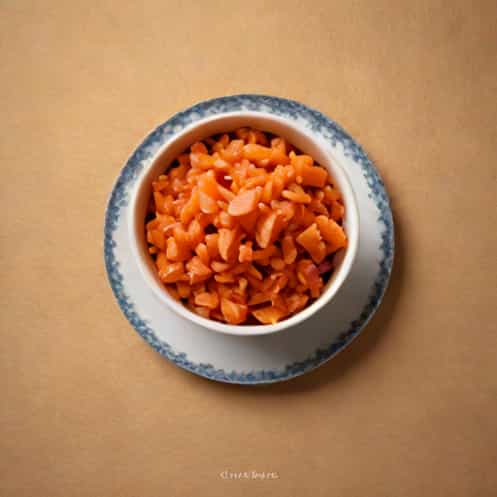
Gajar halwa is a beloved Indian dessert traditionally made from grated carrots, milk, sugar, and ghee, often garnished with nuts and cardamom. Its rich flavor and comforting texture make it a favorite during festivals, celebrations, and cold winter evenings. However, grating carrots can be a time-consuming and labor-intensive task, leading many home cooks to seek alternative methods. Gajar halwa without grating offers a convenient and equally delicious approach, making this classic dessert more accessible without compromising on taste or texture. By using simple techniques and thoughtful ingredient preparation, it is possible to enjoy this sweet treat with minimal effort.
Ingredients for Gajar Halwa Without Grating
Preparing gajar halwa without grating requires ingredients similar to the traditional recipe, with a slight adjustment in preparation. The main ingredients include
- Carrots preferably fresh and tender, cut into thin slices or chunks.
- Full-fat milk for richness and a creamy texture.
- Sugar to taste, usually fine sugar for even dissolution.
- Ghee essential for flavor and smooth consistency.
- Cardamom powder for aromatic flavor.
- Nuts such as almonds, cashews, and pistachios for garnish.
- Optional ingredients khoya (reduced milk solids) or saffron for enhanced richness.
Choosing the Right Carrots
Since the carrots are not being grated, selecting tender and sweet carrots is crucial. Thicker or older carrots may take longer to cook and may not soften evenly, affecting the texture of the halwa. Organic or locally sourced carrots often have a natural sweetness that enhances the overall flavor.
Preparation Techniques Without Grating
There are multiple techniques to prepare gajar halwa without grating, each offering a slightly different texture and consistency. The key is to ensure that the carrots cook evenly and absorb the flavors of milk, sugar, and ghee.
Slicing Carrots Thinly
One simple method is to slice the carrots into thin rounds or half-moons. This increases the surface area for cooking and allows the carrots to soften faster. Using a sharp knife or a mandoline slicer ensures uniform thickness, which is important for even cooking. Thin slices release natural sweetness and blend well with milk and ghee, creating a creamy and rich halwa.
Chopping Carrots into Small Cubes
Another method is to chop the carrots into small cubes. This method works well if you prefer a chunkier texture in your halwa. Small cubes cook faster than larger pieces and can absorb the flavors of sugar and ghee while maintaining a slight bite. Stirring frequently during cooking ensures the pieces soften evenly without sticking to the pan.
Using a Food Processor
For a finer texture without manual grating, a food processor can be used to pulse carrots into small pieces. This method reduces labor while providing a consistent texture similar to grated carrots. It is important to pulse gently to avoid turning the carrots into a puree unless a smooth consistency is desired.
Cooking Gajar Halwa Without Grating
The cooking process for gajar halwa without grating follows the traditional method, with adjustments for sliced or cubed carrots. Here is a step-by-step approach
Step 1 Heating Ghee
Begin by heating ghee in a heavy-bottomed pan. A generous amount of ghee ensures that the carrots cook evenly and prevents sticking. The aroma of ghee also adds a rich, traditional flavor to the halwa.
Step 2 Adding Carrots
Add the sliced or cubed carrots to the pan and sauté for a few minutes. This initial cooking softens the carrots slightly and helps them absorb the ghee, enhancing their flavor. Sautéing also helps in releasing the natural sugars of the carrots, which contribute to the sweetness of the dish.
Step 3 Cooking with Milk
Pour milk over the carrots and bring it to a gentle boil. Reduce the heat and simmer, stirring occasionally. The milk gradually reduces, thickening and combining with the carrots to form a creamy mixture. Patience is key during this step, as slow cooking allows the flavors to develop fully.
Step 4 Adding Sugar and Cardamom
Once the milk is partially reduced, add sugar and cardamom powder. Stir well to ensure the sugar dissolves completely and the flavors are evenly distributed. At this stage, the mixture begins to thicken further, and the natural sweetness of the carrots is enhanced.
Step 5 Garnishing with Nuts
In the final stages of cooking, add chopped nuts such as almonds, cashews, and pistachios. Nuts add texture and a subtle nutty flavor, complementing the richness of ghee and milk. Sauté briefly to allow the nuts to release their aroma without losing their crunch.
Tips for Perfect Gajar Halwa Without Grating
Cooking gajar halwa without grating requires some attention to detail to achieve the best results. Here are some helpful tips
- Use a non-stick or heavy-bottomed pan to prevent the halwa from sticking.
- Cook on low to medium heat to allow carrots to soften evenly and milk to reduce slowly.
- Stir frequently to prevent burning and ensure uniform cooking.
- Adjust sugar according to the natural sweetness of the carrots to avoid excessive sweetness.
- Optional Add a few strands of saffron soaked in warm milk for enhanced aroma and color.
- Serve warm, as gajar halwa tends to thicken further upon cooling.
Serving and Enjoying
Gajar halwa without grating can be served in individual bowls or as a dessert platter for special occasions. It pairs beautifully with vanilla ice cream, kulfi, or simply on its own. The soft, tender carrot pieces combined with the creamy milk and ghee mixture create a comforting and indulgent dessert experience. This method not only saves time but also allows flexibility in texture, catering to personal preferences for smooth or chunky halwa.
Storage and Reheating
Gajar halwa can be stored in an airtight container in the refrigerator for up to a week. Reheating gently on low heat with a splash of milk restores its creamy consistency. It can also be frozen for longer storage, though the texture may slightly change upon thawing. Regardless, the flavor remains rich and satisfying, making it convenient for meal prep or festive occasions.
Gajar halwa without grating is a practical and delicious variation of a traditional Indian dessert. By slicing or chopping carrots instead of grating them, home cooks can save time and effort while still achieving a rich, creamy, and flavorful halwa. The careful use of ghee, milk, sugar, and aromatic spices ensures that the dish retains its classic taste and texture. Whether served during festivals, family gatherings, or as a comforting winter treat, this version of gajar halwa proves that simplicity and creativity in cooking can yield delightful results. With the right ingredients, cooking techniques, and attention to detail, anyone can enjoy the authentic taste of gajar halwa without the labor of grating, making it an accessible and enjoyable dessert for all occasions.