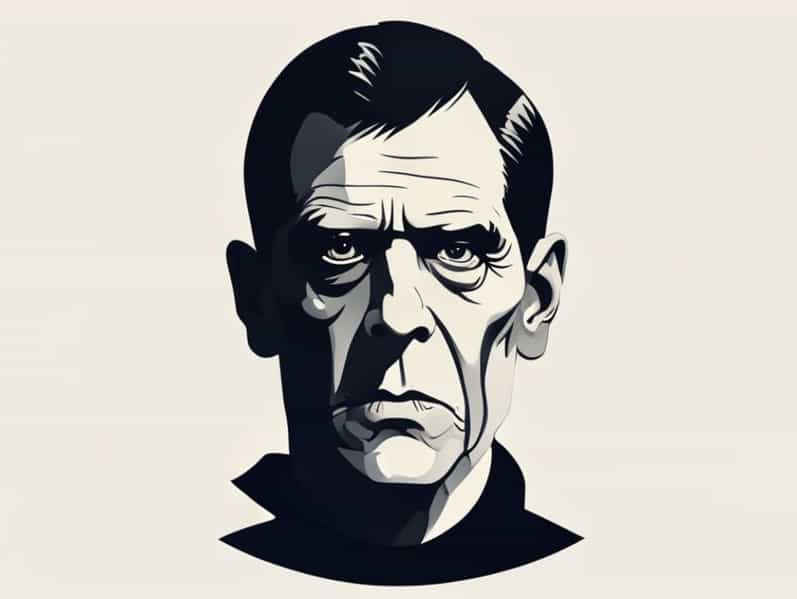
Gene Wilder’s performance in Young Frankenstein remains one of the most iconic and beloved contributions to comedy and film history. Released in 1974, Young Frankenstein is a parody of the classic horror films of the 1930s, particularly the Frankenstein adaptations produced by Universal Pictures. Wilder’s portrayal of Dr. Frederick Frankenstein, a neurotic and eccentric descendant of the infamous Dr. Victor Frankenstein, showcases his unique comedic timing, expressive facial features, and ability to blend absurdity with charm. This role cemented Gene Wilder as a leading comedic actor of his era and contributed to the enduring popularity of the film across generations.
Background of the Film
Young Frankenstein was directed by Mel Brooks, a master of parody and satirical humor. The film was created in black and white to emulate the style of the original Frankenstein films from the 1930s, adding authenticity and homage to its source material. Brooks co-wrote the screenplay with Gene Wilder, blending slapstick, witty dialogue, and visual comedy to create a film that honors the horror genre while simultaneously making audiences laugh. The collaboration between Brooks and Wilder was key in shaping the character of Dr. Frederick Frankenstein, giving the role both intelligence and comedic vulnerability.
Gene Wilder as Dr. Frederick Frankenstein
Gene Wilder’s portrayal of Dr. Frederick Frankenstein is notable for its balance of sophistication and absurdity. The character is introduced as a serious scientist who is uncomfortable with the dark legacy of his grandfather. Wilder’s performance captures the tension between intellectual seriousness and the ridiculous situations that arise in the laboratory, particularly when reanimating the monster. His wide-eyed expressions, nervous laughter, and exaggerated gestures contribute to a distinctive comedic style that has influenced generations of actors and comedians.
Iconic Scenes and Moments
Several scenes in Young Frankenstein highlight Wilder’s comedic brilliance and have become iconic in film history. These moments showcase his timing, physical comedy, and improvisational skill.
The Laboratory Scenes
One of the most memorable parts of the film is the laboratory sequence where Dr. Frankenstein successfully brings the monster to life. Wilder’s excitement, panic, and astonishment are perfectly timed, and his delivery of lines such as It’s alive! It’s alive! captures both homage to classic horror and comedic exaggeration. His interactions with the monster, played by Peter Boyle, create a humorous dynamic that is central to the film’s appeal.
Meeting Igor and Inga
Wilder’s chemistry with other characters, such as Igor, portrayed by Marty Feldman, and Inga, played by Teri Garr, enhances the humor. The witty banter between Dr. Frankenstein and Igor, including jokes about Igor’s hump and quirky behavior, highlights Wilder’s talent for blending verbal humor with physical comedy. His playful interactions with Inga provide romantic humor, further enriching the film’s multi-layered comedy.
The Punning and Wordplay
Gene Wilder’s performance also shines in scenes that feature clever wordplay and puns. His delivery is precise, and his ability to maintain a straight face while uttering absurd lines adds to the comedic effect. For instance, the dialogue about the monster’s footprints and the Puttin’ on the Ritz dance sequence demonstrates Wilder’s skill in balancing the ridiculous with the believable.
Collaboration with Mel Brooks
The partnership between Gene Wilder and Mel Brooks was crucial to the success of Young Frankenstein. Brooks’ direction and vision, combined with Wilder’s comedic sensibilities, created a seamless blend of parody and homage. Wilder contributed significantly to the script, adding lines and improvising moments that became staples of the film. Their collaboration exemplifies the importance of creative synergy in filmmaking, as both Brooks and Wilder were able to bring their unique talents together to produce a timeless comedy.
Influence on Comedy
Young Frankenstein influenced subsequent generations of comedians and filmmakers by demonstrating how parody can honor the original material while delivering fresh humor. Wilder’s performance set a standard for comedic timing, character work, and physical comedy. His ability to portray a character who is simultaneously intelligent, nervous, and ridiculous inspired future actors to explore nuanced comedic roles that blend absurdity with sophistication.
Reception and Legacy
Upon its release, Young Frankenstein received critical acclaim and became a commercial success. Critics praised Gene Wilder’s performance, noting his expressive style, impeccable timing, and ability to carry the film with charm and wit. The film has since been recognized as one of the greatest comedy films of all time, frequently appearing on lists of top comedies and parody films. Wilder’s role as Dr. Frederick Frankenstein remains a touchstone for comedic excellence, and the film continues to be celebrated in popular culture, from screenings at film festivals to adaptations on stage.
Influence on Film and Theater
The enduring popularity of Young Frankenstein led to stage adaptations and inspired filmmakers to explore parody and homage in new ways. Gene Wilder’s approach to comedy influenced both actors and directors, encouraging a blend of intelligent humor and physical performance. The film’s iconic scenes, lines, and characters continue to be referenced and appreciated in contemporary media, demonstrating the lasting impact of Wilder’s work.
Gene Wilder’s portrayal of Dr. Frederick Frankenstein in Young Frankenstein is a masterclass in comedy, blending intelligence, physical humor, and emotional expressiveness. The film remains a beloved classic, celebrated for its clever writing, memorable performances, and respectful parody of the original Frankenstein films. Wilder’s contribution as both actor and co-writer helped create a film that continues to resonate with audiences nearly fifty years after its release. His work in Young Frankenstein exemplifies the enduring power of comedy to entertain, charm, and leave a lasting mark on popular culture.